Updated September 2026.
Short answer: The cost of living in Phoenix depends most on your housing choice, transportation needs, and the amount of electricity and water your home uses. A realistic relocation budget should include the mortgage payment, property taxes, homeowners insurance, HOA fees, seasonal utilities, vehicle costs, pool or landscape care, and routine maintenance—not just the purchase price.
There is no single “average Phoenix budget” that fits every household. A condo in central Phoenix, a pool home in Chandler, a luxury property in Scottsdale, and a larger-lot home on the edge of the Valley can have very different monthly costs. Use this guide to identify the right categories, then replace general estimates with quotes and property-specific information.
Phoenix Cost of Living at a Glance
Budget category | What affects the cost | What to verify |
|---|---|---|
Home purchase | Community, property type, size, lot, condition, views, pool, and current mortgage rates | Current listings, recent comparable sales, loan estimate, and cash needed at closing |
Property taxes | Limited Property Value, classification, and the property’s taxing jurisdictions | Actual parcel history and an estimate from the appropriate county sources |
Homeowners insurance | Home age, roof, claims history, coverage, pool, location, and insurer | Address-specific quotes before the inspection period ends |
HOA or community fees | Community amenities, gates, landscaping, clubs, and reserve needs | Current fees, transfer charges, assessments, and governing documents |
Electricity | Home size, HVAC, insulation, windows, pool equipment, solar, rate plan, and usage timing | Seller bills when available, utility provider, plan options, and HVAC condition |
Water and city services | Municipality, household use, landscaping, pool, meter, sewer, and seasonal rates | Provider, current rate schedule, prior bills, and irrigation condition |
Transportation | Commute distance, vehicle value, insurance, fuel, parking, and transit access | Real drive times, registration estimate, insurance quotes, and local routes |
Maintenance | Age and condition of HVAC, roof, pool, landscaping, appliances, and exterior materials | Inspection findings, service history, warranties, and replacement planning |
Daily expenses | Groceries, dining, healthcare, childcare, recreation, and personal choices | Your current spending plus local quotes for the services you will use |
1. Housing Is Usually the Largest Variable
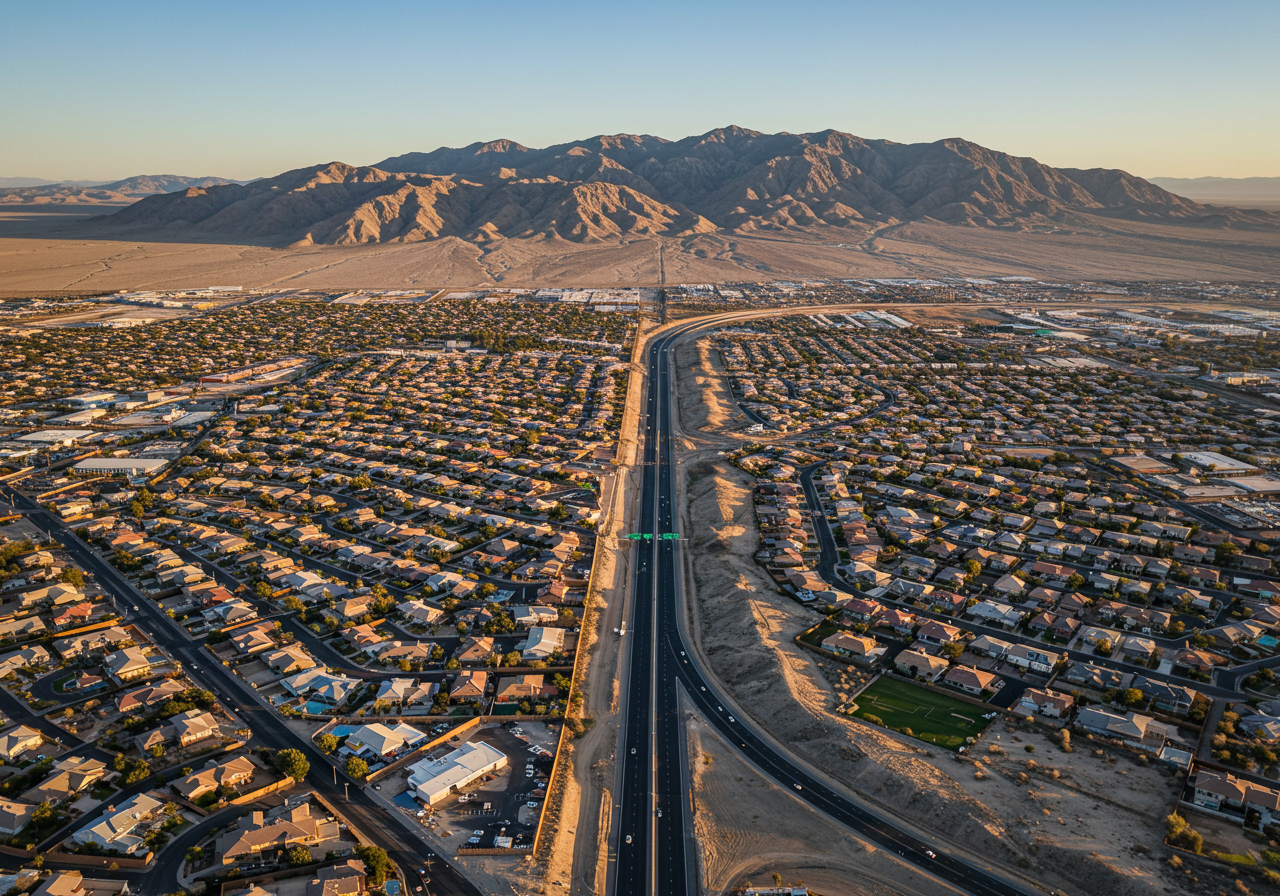
Housing costs change significantly across Phoenix, Scottsdale, and the surrounding Valley. Even within one city, the price can vary by neighborhood, home condition, lot size, renovation quality, school boundary, views, and proximity to major destinations.
For buyers using financing, the monthly payment depends on more than the sale price. Ask a lender to model the principal and interest, down payment, mortgage insurance if applicable, property taxes, homeowners insurance, and any HOA fees. Mortgage rates can change quickly, so use a current loan estimate rather than an online payment example from an older article.
Also budget for the cash required before and at closing. Depending on the transaction, this may include earnest money, inspections, appraisal, lender and title costs, prepaid taxes and insurance, moving expenses, and immediate repairs or improvements. Your lender, title or escrow company, insurer, inspector, and agent can help identify the property-specific items.
2. Property Taxes Require a Parcel-Specific Estimate
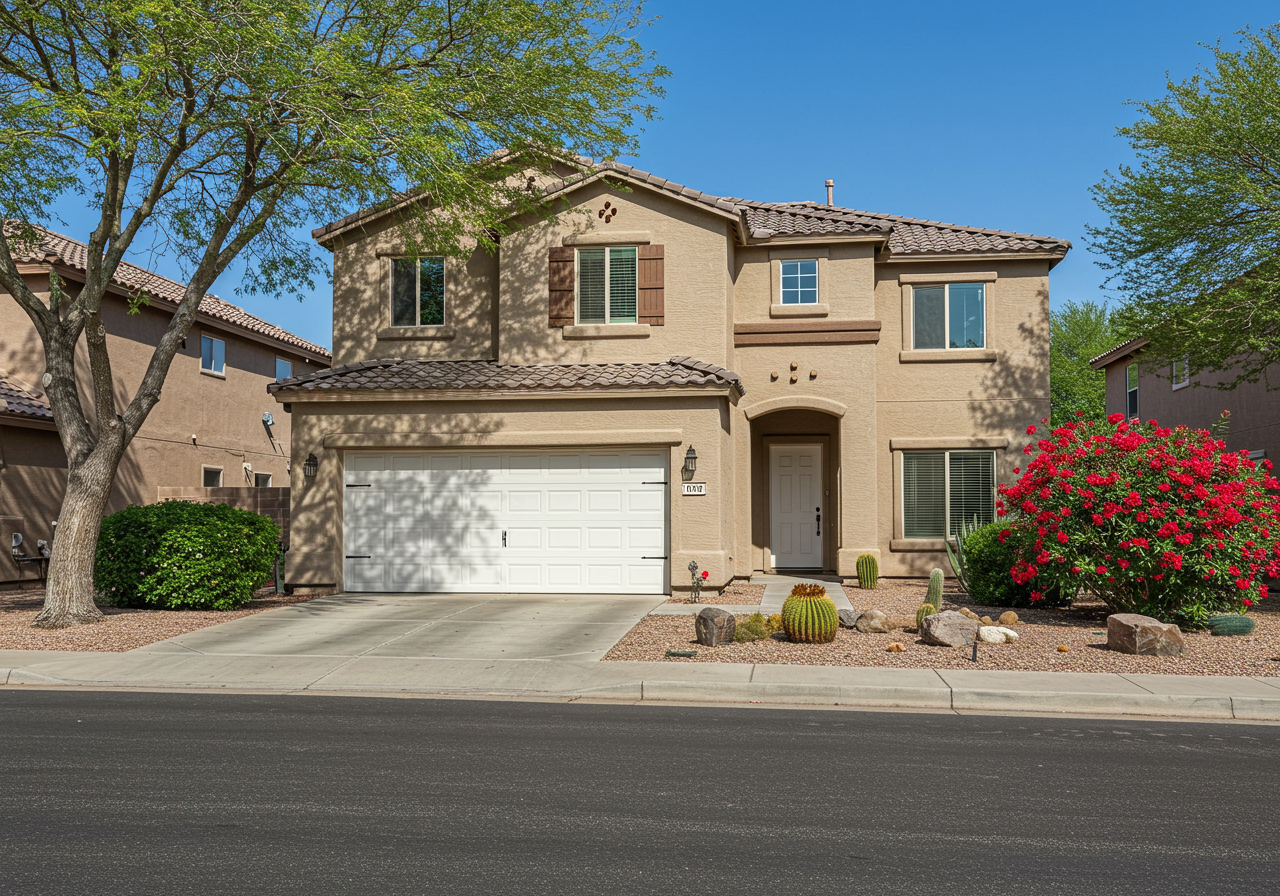
Arizona property taxes are not calculated simply by multiplying the sale price by a single citywide percentage. The Maricopa County Assessor explains that property taxes are generally based on a property’s Limited Property Value, classification, assessed value, and the tax rates for the jurisdictions serving that parcel.
Review the property’s actual tax history, but do not assume the next bill will be identical. New construction, changes to the property, classification, statutory calculations, and taxing jurisdictions can affect the result. For planning purposes, ask for a current parcel-specific estimate and consult the appropriate tax professional when needed.
3. Homeowners Insurance Can Change the Monthly Picture
Insurance costs vary by property and buyer. Factors may include the home’s age and construction, roof, prior claims, coverage level, deductible, pool, detached structures, location, and insurer. A quote for one Phoenix home may not predict the premium for another home nearby.
Request quotes early enough to evaluate affordability and insurability during the transaction. If the property has a pool, guest house, solar system, extensive landscaping, unusual construction, or valuable upgrades, make sure the coverage discussion reflects those features.
4. Electricity Is Seasonal—and the House Matters
Phoenix electricity use can rise substantially during hot months, but there is no reliable one-size-fits-all bill. Home size, number and age of HVAC units, insulation, windows, sun exposure, thermostat preferences, pool pumps, electric vehicles, occupancy, solar, and the rate plan all matter.
Service territory also matters. Phoenix-area addresses may be served by Arizona Public Service or Salt River Project, among other providers. APS provides a residential plan comparison tool for eligible customers with usage history, while SRP publishes information to compare residential price plans.
When evaluating a home, ask for recent utility history when available and note who occupied the property, their thermostat habits, and whether the home was vacant. Have the HVAC system inspected, and review the age, service history, efficiency, and likely replacement timeline. If the property has solar, confirm whether it is owned, financed, or leased and review all transfer terms.
5. Water, Sewer, Trash, Pools, and Landscaping
Water and city-service costs depend on the municipality and the property. For City of Phoenix customers, the official water and sewer rate page explains that charges can include a fixed service amount, usage charges, environmental charges, and sewer calculations. Rates and billing structures may differ in Scottsdale, Chandler, Gilbert, and other cities.
A pool and a landscaped yard add enjoyment, but they can also add water, electricity, chemicals, cleaning, repair, and landscape-service costs. Before buying, inspect the pool surface and equipment, irrigation, valves, timers, trees, drainage, and walls. Ask local providers for estimates based on that property rather than using an old citywide average.
6. HOA, Club, and Community Charges
HOA fees can cover very different services. Some communities maintain only common areas; others include gates, landscaping, pools, fitness facilities, recreation programs, or private streets. Golf or club participation may be separate from the HOA.
Review the current fee schedule, transfer and disclosure charges, pending assessments, reserve information, and governing documents. For new construction, confirm which amenities are complete, which are planned, and whether fees may change as the community develops.

7. Transportation and Commuting Costs
The Phoenix metropolitan area is geographically spread out, so transportation can materially affect a household budget. Compare fuel, insurance, registration, maintenance, toll-free driving distances, parking, and the time spent commuting. Arizona vehicle registration includes a vehicle license tax tied to the vehicle and statutory calculations, so a prior owner’s cost or a friend’s bill may not match yours.
Some locations offer access to Valley Metro light rail or bus service, and some neighborhoods make certain daily trips possible by walking or biking. Still, many Valley households rely on at least one vehicle. Test important routes at the times you expect to travel before choosing a community.
8. Arizona Income and Phoenix Transaction Taxes
As of this September 2026 update, the Arizona Department of Revenue states that for tax years 2023 and later, the individual income tax rate is 2.5% of Arizona taxable income. Your actual liability depends on your income, deductions, credits, residency, and other circumstances, so consult a qualified tax professional for personal advice.
Phoenix transaction privilege and combined tax rates vary by business category and, for certain purchases, by the amount of an individual item. Use the City of Phoenix’s current combined tax-rate charts rather than relying on a single percentage copied from an older article. Rates can also differ among Valley cities.
9. Groceries, Dining, Healthcare, and Childcare
These categories are driven more by household needs than by the real estate market. Build a useful estimate from your current spending, then replace it with local prices and quotes. Compare the stores, providers, insurance networks, childcare arrangements, and restaurants you are actually likely to use.
Healthcare and childcare are especially personal. Coverage, employer benefits, ages, schedules, provider availability, and medical needs can create large differences between households. Avoid using another family’s premium or childcare bill as your budget.


10. Home Maintenance and Desert-Climate Costs
Set aside room for routine maintenance and eventual replacements. Phoenix-area ownership may involve HVAC service, roof care, pest control, exterior paint or stucco, pool equipment, irrigation, landscaping, water treatment, and sun- or heat-exposed materials. The right amount depends on the home’s age, condition, systems, and amenities.
An inspection helps identify current concerns, but it cannot predict every future expense. Review seller disclosures, invoices, warranties, service records, and the inspector’s recommendations. Obtain specialist evaluations when the property or inspection findings call for them.
A Practical Phoenix Monthly Budget Worksheet
Before choosing a price range, list each of these items and use current, property-specific numbers wherever possible:
- Principal and interest
- Property taxes and homeowners insurance
- Mortgage insurance, if applicable
- HOA, club, or community fees
- Electricity, gas, water, sewer, trash, internet, and phone
- Pool, landscaping, pest control, and home maintenance
- Vehicle payment, registration, insurance, fuel, parking, and maintenance
- Groceries, dining, healthcare, childcare, recreation, and personal spending
- Emergency savings and planned home improvements
For a home you are seriously considering, request actual disclosures and available bills, get insurance and service quotes, and ask your lender for an updated payment scenario. That creates a more useful budget than a broad “Phoenix average.”
Cost Differences Across the Phoenix Area
The city name alone does not determine affordability. Scottsdale, Phoenix, Chandler, Gilbert, Mesa, Tempe, Goodyear, Peoria, Surprise, and other Valley cities each contain multiple housing types and price points. A smaller or lower-priced home can still carry significant HOA, insurance, commuting, or renovation costs, while a higher-priced property may differ in condition and ongoing expenses.
Compare the total package: purchase price, payment, taxes, insurance, utilities, commute, HOA, home condition, and lifestyle. Our Phoenix-area community comparison and East Valley vs. West Valley guide can help you narrow the geography before you compare individual homes.
Frequently Asked Questions About Phoenix Living Costs
Is Phoenix expensive to live in?
It depends on your housing choice, transportation needs, and household spending. Housing is usually the largest variable, while seasonal electricity, insurance, commuting, HOA fees, and property features can materially change the total.
What should I budget for Phoenix utilities?
Use the home’s size, HVAC, insulation, pool, landscaping, utility provider, rate plan, and prior usage to build an estimate. Ask for available bills and current provider information rather than relying on another household’s average.
Are Arizona property taxes low?
Comparisons based on a statewide average can hide property-specific differences. In Maricopa County, the bill is connected to Limited Property Value, classification, assessed value, and local taxing jurisdictions. Review the exact parcel and obtain current professional guidance.
Do I need a car in Phoenix?
Many residents rely on a vehicle because the metro area is spread out. Light rail, bus service, walking, or biking may work for some routes and neighborhoods, but evaluate your actual destinations and schedule.
Is Scottsdale more expensive than Phoenix?
Some Scottsdale locations and property types command premium prices, but both cities contain varied housing. Compare specific neighborhoods and homes, then include HOA, insurance, commute, utilities, and condition—not only the citywide purchase price.
How can I get a current Phoenix housing-cost estimate?
Define your price range and preferred areas, review current listings and recent comparable sales, then ask a lender for an updated payment scenario. For a specific home, add the parcel’s taxes, insurance quote, HOA fees, utilities, maintenance needs, and inspection findings.
What are common costs people overlook when moving to Phoenix?
Commonly missed items include seasonal electricity, pool and landscape care, HOA transfer or club charges, vehicle registration, pest control, irrigation repairs, solar agreement terms, HVAC planning, moving expenses, and immediate home improvements.
Plan Your Phoenix-Area Budget and Home Search
Greg Corbett and the Living in Phoenix Arizona Team help buyers and sellers compare Phoenix, Scottsdale, and surrounding Valley communities. We can help you connect the housing search to the complete ownership picture—location, commute, lot, home condition, HOA, utilities, outdoor features, and long-term maintenance.
Greg Corbett | Living in Phoenix Arizona Team at HomeSmart
Arizona Real Estate License SA548517000
Start planning your Phoenix relocation, review our moving-to-Phoenix checklist, or explore our community guides.
Sources and rate information were reviewed in September 2026. Taxes, utility rates, home prices, insurance premiums, and other costs can change. Confirm current figures with the applicable government agency, utility, lender, insurer, and qualified professional.