Updated September 2026.
Moving to Phoenix is easier when you compare more than home prices. Start with your total monthly budget, daily drive patterns, preferred part of the Valley, home and lot priorities, and moving timeline. Then narrow your search to a few communities you can evaluate in person or by video tour.
This practical checklist covers the decisions that matter most before you buy a home in the Phoenix area. For one-on-one help, visit our Phoenix relocation services page.
Phoenix Relocation Checklist at a Glance
Step | What to decide or verify |
|---|---|
1. Build your full budget | Mortgage, property taxes, insurance, HOA fees, utilities, pool or landscape care, and commuting costs |
2. Map your daily routine | Work locations, airport access, medical care, schools or childcare if relevant, and the places you visit regularly |
3. Choose a part of the Valley | East Valley, West Valley, Central Phoenix, Scottsdale, or another surrounding city |
4. Define home priorities | New construction or resale, lot size, garage space, pool, low-maintenance yard, and views |
5. Compare ownership costs | Cooling, HOA rules, solar agreements, landscaping, pool equipment, and major home systems |
6. Plan your search | Scouting trip, live video tours, neighborhood drive-throughs, and a short list of finalists |
7. Prepare financing | Preapproval, funds for closing, insurance questions, and your desired closing timeline |
8. Inspect carefully | HVAC, roof, windows, shade, pool, irrigation, drainage, and other property-specific items |
9. Complete local research | Municipal plans, HOA documents, insurance considerations, school information, and crime data from primary sources |
10. Plan the move | Utilities, movers, travel, document signing, final walk-through, and key delivery |
1. Set a Realistic Total Housing Budget
Your purchase price is only one part of the monthly cost. A useful Phoenix-area budget may also include property taxes, homeowners insurance, HOA fees, electricity, water, pool care, landscaping, pest service, and transportation.
Cooling costs deserve particular attention because home size, insulation, window exposure, thermostat settings, and HVAC efficiency can affect summer electricity use. If a property has solar panels, review whether the system is owned, financed, or leased and ask for the applicable documents before making assumptions about savings or transfer terms.
For homes in master-planned or golf communities, compare both recurring fees and any separate club, recreation, or community charges. Your agent and lender can help you organize the known costs, while the seller, HOA, utility providers, and insurance professionals can supply property-specific information.
2. Map Your Daily Routine Before Choosing a Community
The Phoenix metropolitan area covers a large footprint, so two homes that look close on a map can create very different daily routines. Identify the places that will shape your week: job sites, Phoenix Sky Harbor International Airport, medical providers, family, recreation, dining, and other regular destinations.
Test important routes at the times you expect to travel. A weekend drive may not represent a weekday commute, and a convenient freeway connection can matter more than straight-line distance. If you work from home, consider internet options, workspace needs, neighborhood noise, and access to the activities you want after work.
3. Narrow the Valley to Two or Three Areas
Rather than trying to evaluate the entire metro area at once, begin with a few broad regions and then compare specific cities or neighborhoods. The East Valley, West Valley, Central Phoenix, Scottsdale, and northern communities each offer different combinations of housing, commuting patterns, amenities, and development styles.
Use our East Valley vs. West Valley guide for a regional overview, then review the best places to live in the Phoenix area to compare several popular communities in more detail.

4. Define the Home and Lot Features You Actually Need
A focused search starts with tradeoffs. Decide which features are essential, which are preferred, and which you can add later. Common Phoenix-area considerations include:
- New construction versus an established neighborhood
- Single-level versus two-story living
- Garage size, storage, and space for recreational vehicles where permitted
- Private pool, community pool, or no pool
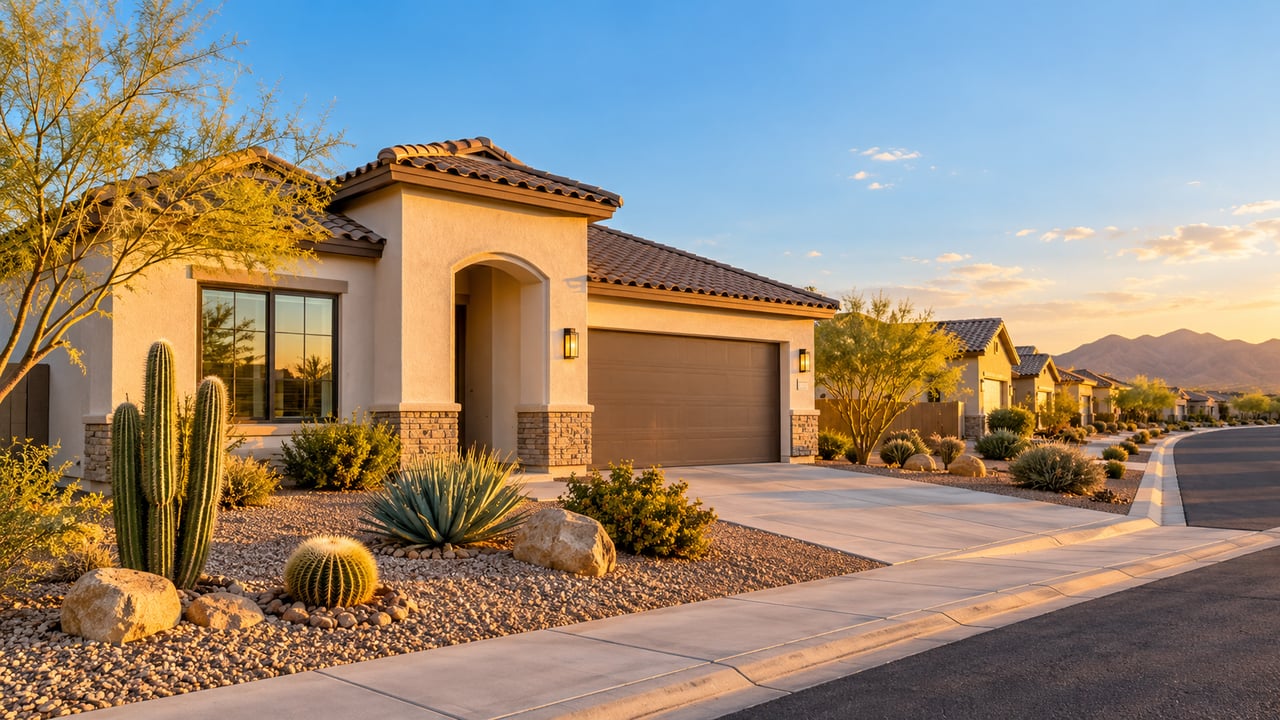
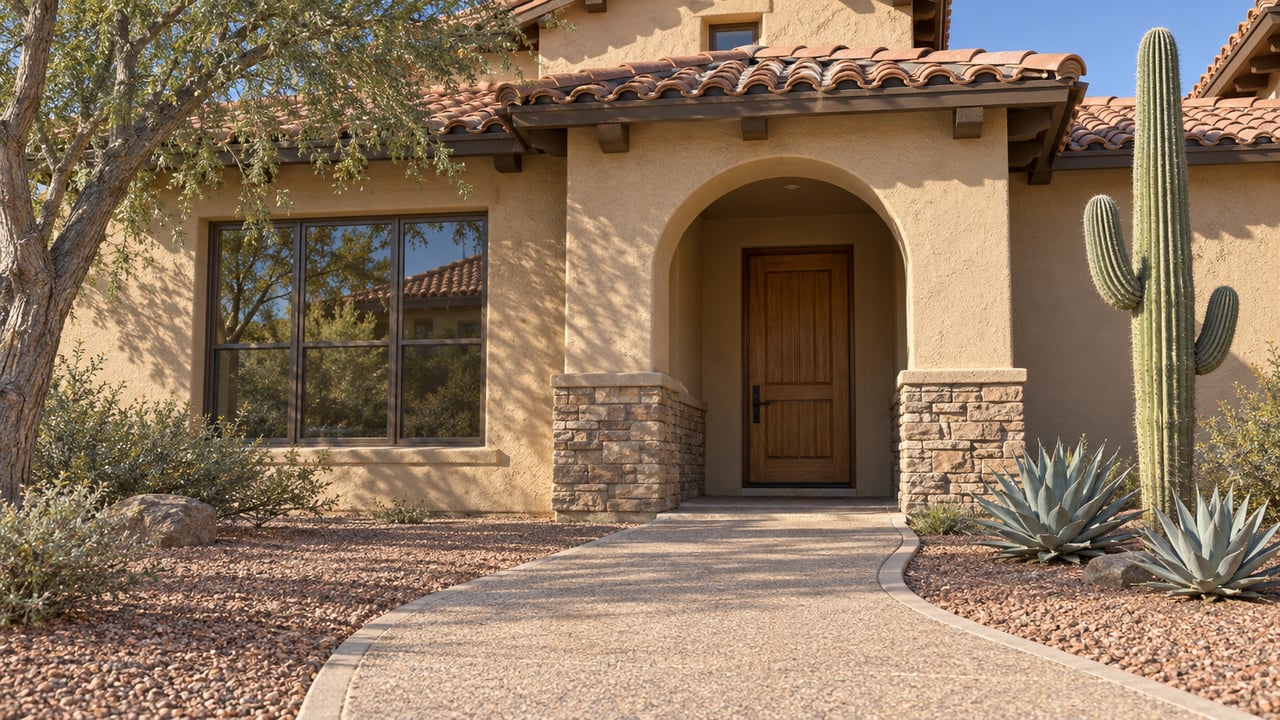
- Low-maintenance landscaping versus a larger yard
- Mountain, desert, golf, city-light, or backyard views
- Gated access or community amenities
- HOA rules, fees, and architectural restrictions
If outdoor living is a priority, look beyond the size of the yard. Orientation, afternoon sun, shade structures, privacy, landscaping, traffic noise, and the position of nearby homes can all affect how the space feels throughout the day.
5. Understand Desert-Climate Home Ownership
Arizona homes have many of the same inspection needs as homes elsewhere, but the desert climate makes some details especially important. Ask qualified professionals to evaluate the property and explain any concerns. Depending on the home, review:
- HVAC age, maintenance history, performance, and expected replacement planning
- Roof type, condition, prior repairs, and remaining service life
- Windows, doors, insulation, shade, and sun exposure
- Pool surface, pumps, filters, heaters, and water features
- Irrigation lines, timers, drainage, and landscape condition
- Termite history and any existing treatment plan
- Solar ownership, financing, lease, warranties, and transfer requirements
- Sewer, septic, water source, or other location-specific systems when applicable
A general inspection is an important starting point, but additional specialists may be appropriate based on the property, disclosures, and inspector’s findings.

6. Compare New Construction and Resale Homes
New construction may offer current finishes, energy features, builder warranties, and the ability to select certain options. It can also involve lot premiums, upgrade costs, changing completion dates, landscaping decisions, and community development that continues after move-in.
Resale homes may offer established landscaping, completed surroundings, larger lots, or a location closer to mature commercial areas. They can also require more attention to the age and condition of major systems.
The builder’s sales representative works for the builder. A buyer’s agent can help you compare communities, review the builder’s documents and incentives, track deadlines, and coordinate independent inspections. If you want representation, involve your agent before your first model-home visit or online registration because builder policies can vary.
7. Create a Long-Distance Home-Buying Plan
Many relocation buyers begin their search before arriving in Arizona. A structured remote process can include an initial video consultation, a shared property search, live video tours, detailed neighborhood and street views, electronic document review, inspection coordination, and regular deadline updates.
Video is useful, but it should be specific. Ask to see the street in both directions, neighboring properties, traffic or construction, the path through the home, views from key windows, the yard at different angles, and close-ups of anything that may affect your decision. When possible, combine remote screening with an in-person visit before making a final choice.
8. Make a Scouting Trip More Productive
A good scouting trip is designed to compare, not simply to see as many homes as possible. Before you arrive, narrow the search to two or three communities and a realistic price range. During the visit:
- Tour a representative sample of homes rather than every available listing
- Drive the routes you expect to use at realistic times
- Visit grocery stores, dining areas, parks, and other everyday destinations
- Compare new construction and resale options if both remain possibilities
- Revisit your strongest area and favorite property before leaving when timing allows
Take notes on the entire location, not just the house. A simple scorecard for commute, neighborhood setting, home condition, lot, views, and total cost can make the final comparison clearer.

9. Verify the Details That Matter to You
Real estate descriptions and general guides are starting points, not substitutes for current primary-source research. Before buying, independently verify the items that affect your decision. These may include municipal planning and development, school boundaries and programs, crime data, flood information, insurance availability, HOA documents, transportation projects, and zoning near the property.
Conditions and boundaries can change. Use official city, county, school, HOA, insurance, and public-safety sources for the most current information, and consult the appropriate licensed professional for legal, tax, insurance, lending, or inspection advice.
10. Prepare for Closing and Moving Day
As soon as your contract and closing timeline are firm, create a move calendar. Include inspection and repair deadlines, lender requests, insurance, utility transfers, mover reservations, travel, document signing, the final walk-through, and key delivery.
Arizona summer heat can influence moving-day logistics, so ask your moving company about scheduling, heat-sensitive belongings, and any special requirements. Keep essential documents, medication, chargers, water, and a first-night kit with you rather than on the moving truck.
Frequently Asked Questions About Moving to Phoenix
What should I know before moving to Phoenix?
Focus on total housing costs, commute patterns, summer utility planning, the condition of major home systems, and how different parts of the Valley fit your daily routine. Narrowing the metro area before comparing individual homes saves time and makes tradeoffs easier to see.
How far ahead should I start planning?
Start as soon as your expected move window and financial plan are reasonably clear. Early planning gives you time to compare communities, speak with a lender, organize a scouting trip, and prepare for a purchase or sale. The right schedule depends on your housing situation, financing, and desired closing date.
Can I buy a Phoenix-area home remotely?
Yes. Buyers can use live video tours, electronic documents, remote consultations, and local inspection coordination. Your agent, lender, title or escrow company, and other professionals can explain which steps can be completed remotely in your specific transaction.
Do I need a car in the Phoenix area?
Many residents rely on a car because the metro area is geographically spread out. Some locations offer light rail, bus service, biking, or walkable access to daily needs, but transportation options vary substantially by neighborhood and destination.
What costs should I include in my relocation budget?
In addition to the home price and closing costs, consider property taxes, insurance, HOA fees, electricity, water, maintenance, pool or landscape care, moving expenses, travel, storage, and commuting. Property-specific estimates are more useful than metro-wide averages.
Where should I begin comparing Phoenix communities?
Start with our East Valley vs. West Valley comparison, explore our Phoenix-area community guide, or browse our neighborhood pages. Then contact us to build a short list around your budget, routine, and home preferences.
Get Help Planning Your Move to the Phoenix Area
Greg Corbett and the Living in Phoenix Arizona help buyers and sellers navigate Phoenix, Scottsdale, and surrounding Valley communities. We can help you compare areas, organize a scouting trip or video-tour plan, evaluate new construction and resale options, and manage the steps from search through closing.
Greg Corbett | Living in Phoenix Arizona at HomeSmart
Arizona Real Estate License SA548517000
Start planning your Phoenix relocation or explore our community and neighborhood guides.