Updated September 2026.
Choosing between the East Valley and West Valley is one of the first big decisions many buyers face when moving to the Phoenix metro area. Neither side is automatically better. The practical answer depends on where you will commute, the type of home and lot you want, the amenities you use most, and how much you value new construction, established neighborhoods, airport access, outdoor recreation, or desert and mountain views.
In general, the East Valley offers convenient access to Tempe, Mesa, Chandler, Gilbert, and Queen Creek, with a mix of established neighborhoods and newer southeastern growth. The West Valley includes Glendale, Peoria, Goodyear, Avondale, Surprise, Buckeye, and Litchfield Park, with major sports and entertainment destinations plus substantial development along the western edge of the metro.
East Valley vs. West Valley at a Glance
Factor | East Valley | West Valley |
|---|---|---|
Communities commonly compared | Tempe, Mesa, Chandler, Gilbert, and Queen Creek; Scottsdale is often evaluated separately but shares several east-side commute patterns | Glendale, Peoria, Goodyear, Avondale, Surprise, Buckeye, and Litchfield Park |
Housing | Established central neighborhoods, condos and townhomes, master-planned communities, newer southeast development, and larger lots in select areas | Established areas near Glendale and Peoria, master-planned communities, newer construction toward the outer west, and a range of lot sizes |
Major access considerations | US 60, Loop 101, Loop 202, light rail in Tempe and Mesa, and access to Phoenix Sky Harbor from central locations | I-10, Loop 101, Loop 303, and routes connecting to downtown Phoenix, Glendale, Peoria, and western employment centers |
Outdoor setting | Superstition Mountain and San Tan Mountain access, desert trails, lakes and rivers farther east, and mountain views in select communities | White Tank Mountains, Estrella Mountains, Lake Pleasant access from the northwest, desert trails, and open-land views in select communities |
Important tradeoffs | Pricing and traffic vary sharply by community; outer southeast locations can add travel time to Phoenix and Scottsdale | Outer-west locations can add travel time to central and east-side destinations; amenities and infrastructure vary by development stage |
These are broad regional patterns, not rules. Two homes on the same side of the metro can produce very different commutes and daily routines.
What Counts as the East Valley?
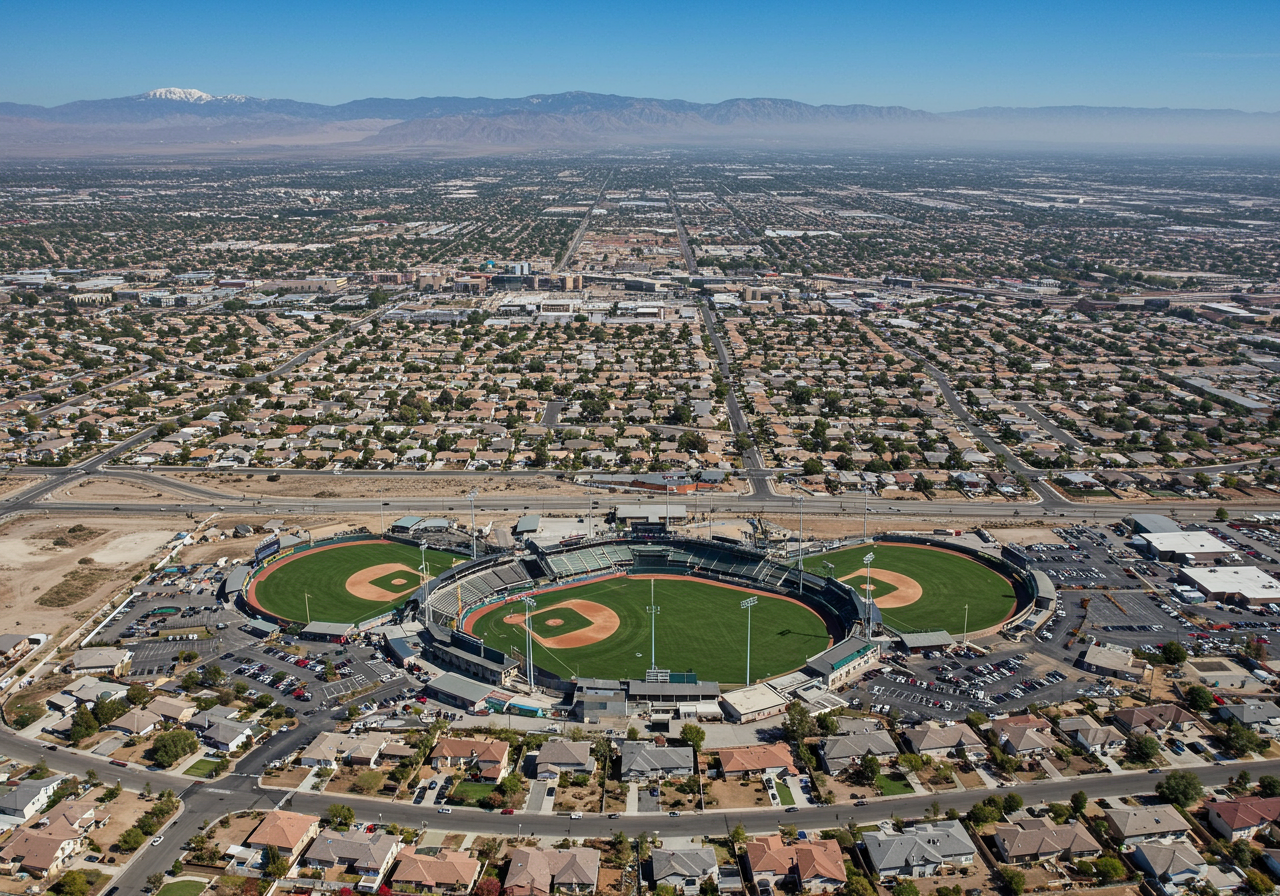
The East Valley is commonly understood to include Tempe, Mesa, Chandler, Gilbert, and Queen Creek. Definitions vary, and some people also group Scottsdale with the East Valley. For relocation planning, it is usually more useful to evaluate Scottsdale separately because it stretches far north and contains several distinct housing markets.
Tempe and Mesa
Tempe offers a central location near Arizona State University, Tempe Town Lake, light rail, and Phoenix Sky Harbor International Airport. Housing ranges from condos and townhomes near activity centers to established single-family neighborhoods farther south.
Mesa covers a much larger geographic area. West and central Mesa provide access toward Tempe and Phoenix, while East Mesa reaches closer to the Superstition Mountains and newer development near the eastern edge of the metro. Exact freeway access, commute direction, and distance to daily services matter more than the city name alone.
Chandler and Gilbert
Chandler and Gilbert are frequently compared because they share several southeast Valley commute patterns while offering different neighborhood settings. Chandler includes established areas, employment corridors, downtown amenities, gated communities, and larger-lot options in parts of South Chandler. Gilbert includes established subdivisions, master-planned communities, newer development, and a busy Heritage District.
Buyers should compare home age, HOA structure, lot size, freeway access, and the location of the specific property. A home on one edge of either community can create a very different routine from a home near the center.
Queen Creek and the Southeast Growth Area
Queen Creek and nearby southeast Valley communities offer newer construction, master-planned development, and opportunities for larger homes or lots in select areas. The key tradeoff is distance. Test drives to work, the airport, medical providers, and frequent destinations before deciding that more space or newer construction is worth the additional travel.
What Counts as the West Valley?
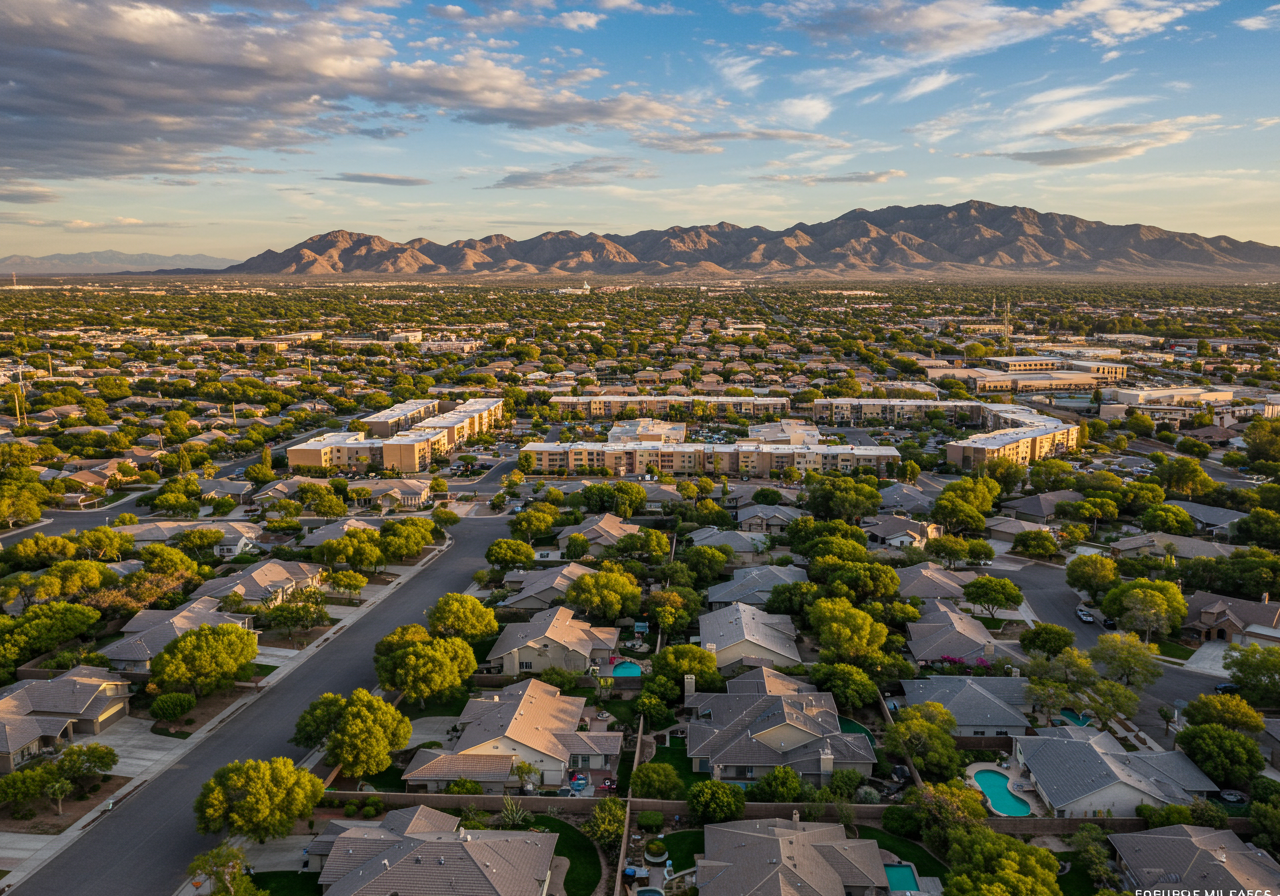
The West Valley commonly includes Glendale, Peoria, Goodyear, Avondale, Surprise, Buckeye, and Litchfield Park. As in the East Valley, each city contains multiple neighborhoods and housing markets.
Glendale and Peoria
Glendale spans historic central areas, neighborhoods near Westgate Entertainment District and State Farm Stadium, and established communities around Arrowhead and Loop 101. Peoria extends from established areas near Glendale toward newer northern development and Lake Pleasant.
Because both cities cover large areas, buyers should compare exact routes and nearby services rather than treating either city as one uniform location. North Peoria, central Peoria, west Glendale, and the Arrowhead area can each support a different lifestyle and commute.
Goodyear, Avondale, and Litchfield Park
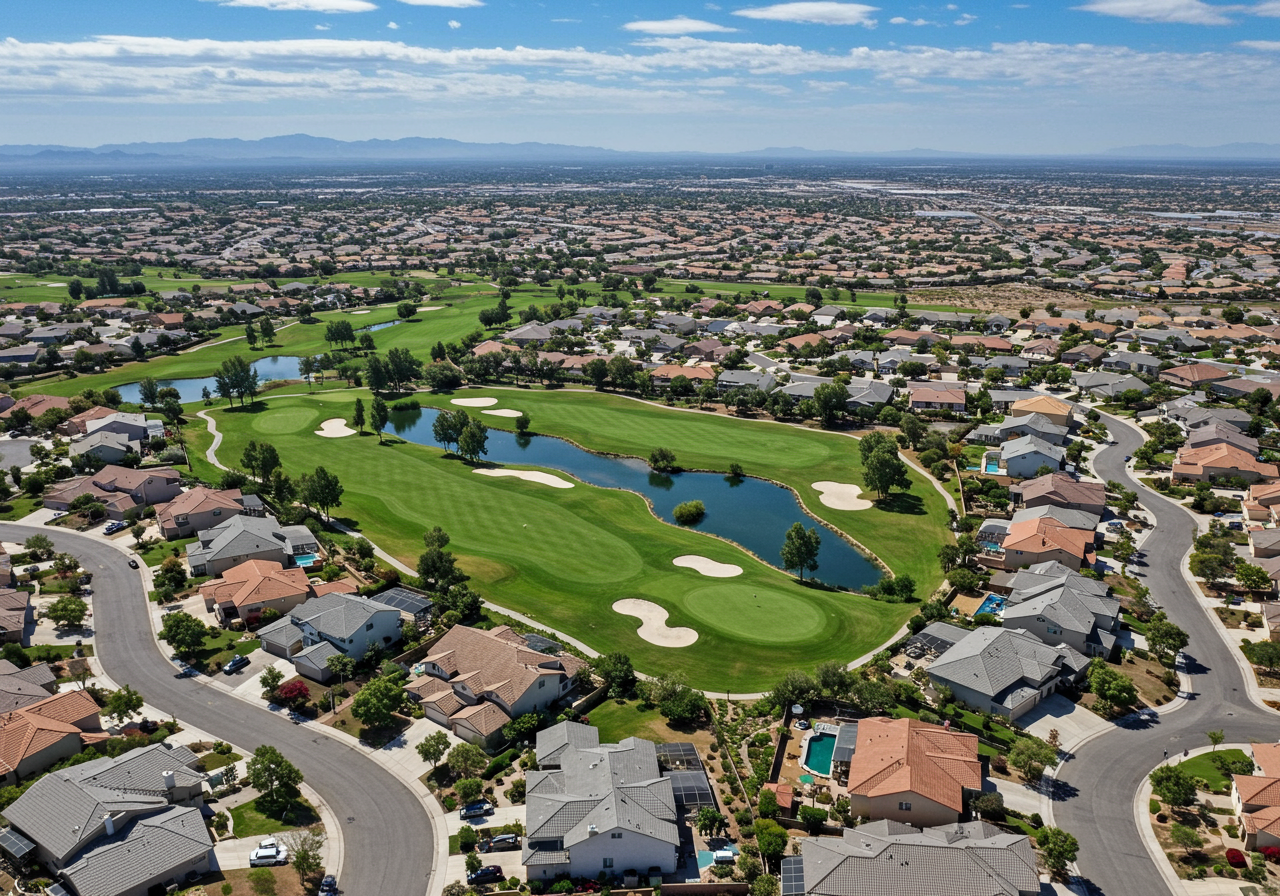
These communities sit along or near the I-10 corridor west of Phoenix. Housing includes established neighborhoods, master-planned communities, golf-oriented development, and newer construction. Their location can work well for destinations in downtown Phoenix or the southwest Valley, but actual travel time depends heavily on the route and time of day.
Surprise and Buckeye
Surprise and Buckeye are part of the outer-west growth story. Buyers may find newer homes, master-planned neighborhoods, and more open desert at the edge of development. The tradeoff is that employment centers, medical services, shopping, and entertainment may be farther away depending on the specific neighborhood.
Commutes and Freeway Access
Commute direction should carry more weight than a generic East-versus-West ranking. A home near Loop 101 in Chandler, Scottsdale, Glendale, or Peoria may provide very different access than a property deeper inside the same city. Likewise, an outer community can work well when your regular destinations are nearby but feel inconvenient when most of your routine is across the metro.
Important corridors include I-10, US 60, Loop 101, Loop 202, and Loop 303. Light rail currently serves parts of Phoenix, Tempe, and Mesa, but most Valley households still evaluate daily travel primarily by road. Rather than relying on a simple mileage estimate, test routes during the hours you expect to travel.

Housing and New Construction
Both sides of the Valley offer established neighborhoods and new construction. The difference is where those options are concentrated.
- Established housing: Tempe, central Mesa, Chandler, Glendale, and parts of Peoria offer mature neighborhoods with varied architecture and lot sizes.
- Master-planned communities: Gilbert, Queen Creek, East Mesa, North Peoria, Goodyear, Surprise, and Buckeye include large planned developments with different HOA structures and amenities.
- Luxury and custom homes: Options exist on both sides, although Scottsdale, Paradise Valley, Fountain Hills, Arcadia, and parts of North Phoenix form a separate luxury comparison that does not fit neatly into East versus West.
- Views and larger lots: These depend on elevation, orientation, zoning, and surrounding development—not simply a city or Valley label.
Compare the purchase price with the full ownership cost, including HOA fees, insurance, property taxes, cooling, landscaping, pool care, commuting, and any community or club fees.
Outdoor Recreation and Views
The East Valley provides access toward the Superstition Mountains, Usery Mountain Regional Park, the San Tan Mountains, and recreation farther east along the Salt River and nearby lakes. The West Valley offers the White Tank Mountains, Estrella Mountain Regional Park, and access toward Lake Pleasant from the northwest.
For buyers prioritizing backyard, mountain, or open-desert views, evaluate the individual property. Check lot orientation, elevation, nearby vacant land, planned development, utility corridors, and the angle of afternoon sun. A community known for scenery does not guarantee a view from every home.
Is the East Valley or West Valley More Affordable?
Neither side is always less expensive. Prices change by city, neighborhood, home type, age, lot, condition, and market conditions. New construction can also carry lot premiums, upgrade costs, HOA fees, and longer commuting expenses that are easy to overlook.
A useful comparison starts with a total monthly budget rather than a headline median price. Include financing, insurance, taxes, HOA fees, utilities, maintenance, commuting, and the cost of any renovations or builder upgrades.
How to Compare Schools, Safety, and Other Local Data
School performance, public-safety data, municipal services, and development plans can vary by exact address and change over time. Review current information directly from school districts, law-enforcement agencies, municipalities, and other authoritative sources. A real estate professional can help identify the correct jurisdictions and property boundaries, but the decision should be based on your own priorities and independent research.
Questions to Ask Before Choosing a Side of the Valley
- Where will I commute, and how often?
- Which airport, medical, shopping, recreation, and entertainment destinations will I use most?
- Do I prefer an established neighborhood, newer construction, or a custom property?
- How important are lot size, garage space, a pool, privacy, or low-maintenance living?
- What is my total monthly housing and transportation budget?
- Would I trade a longer drive for more space, a newer home, or a particular view?
Once those answers are clear, compare two or three specific communities rather than an entire half of the metro.
Frequently Asked Questions
Which cities are in the East Valley?
Tempe, Mesa, Chandler, Gilbert, and Queen Creek are commonly included. Definitions vary, and Scottsdale is sometimes grouped with the East Valley, though it is often more useful to evaluate Scottsdale as its own market.
Which cities are in the West Valley?
Glendale, Peoria, Goodyear, Avondale, Surprise, Buckeye, and Litchfield Park are commonly included. Each has multiple neighborhoods and distinct commute patterns.
Is the East Valley or West Valley closer to the airport?
Central East Valley locations such as Tempe and parts of Mesa or Chandler can provide convenient access to Phoenix Sky Harbor, while some West Valley locations have a longer trip. Exact drive time depends on the property, freeway access, traffic, and time of day.
Which side has more new construction?
New construction exists on both sides. It is concentrated in parts of the southeast Valley, including Queen Creek and East Mesa, and across outer-west communities such as Goodyear, Surprise, and Buckeye.
Where can I find mountain or desert views?
View opportunities exist throughout the metro, including areas near the Superstition, San Tan, White Tank, Estrella, and McDowell Mountains. The actual view depends on the individual lot, elevation, orientation, and future development.
Compare Specific Phoenix-Area Communities
For a shorter list of communities and their major tradeoffs, read our Best Places to Live in the Phoenix Area guide. You can also explore our neighborhood guides or start with our Phoenix relocation guide.
Greg Corbett and the Living in Phoenix Arizona Team, brokered by HomeSmart, help buyers compare communities across Phoenix, Scottsdale, the East Valley, and the West Valley. Greg’s Arizona real estate license is SA548517000.