HOW TO CHOOSE A PHOENIX NEIGHBORHOOD
Phoenix is divided into 15 urban villages for planning purposes, but the names buyers use—Arcadia, Biltmore, Willo, Desert Ridge, Moon Valley and others—do not always match legal boundaries or mailing addresses. Start with the exact parcel, city jurisdiction, school district if relevant, utilities, HOA, commute and surrounding land.
Priority | Where to begin | What to verify |
|---|---|---|
Walkability and urban access | Downtown, Midtown, Uptown and selected central corridors | Actual route, shade, crossings, transit, parking, events and nighttime activity |
Historic or established homes | Willo, Encanto, North Central and selected central neighborhoods | Historic status, permits, roof, sewer, electrical, HVAC and renovation quality |
Luxury homes and central location | Arcadia, Biltmore/Camelback Corridor and North Central | Lot, irrigation, remodeling, traffic, HOA, view corridors and jurisdiction |
Newer-planned housing | Desert Ridge and parts of north Phoenix | HOA layers, community buildout, freeway access, aircraft activity and finished cost |
Mountain and trail access | North Mountain, Camelback East, Ahwatukee and foothill pockets | Trail route, parking, heat, washes, slope, drainage, wildfire awareness and view protection |
Larger lots or reduced HOA presence | Selected parts of North Central, North Mountain and north Phoenix | Actual lot dimensions, zoning, irrigation, septic or sewer, outbuildings and neighborhood rules |
PHOENIX AREAS TO COMPARE
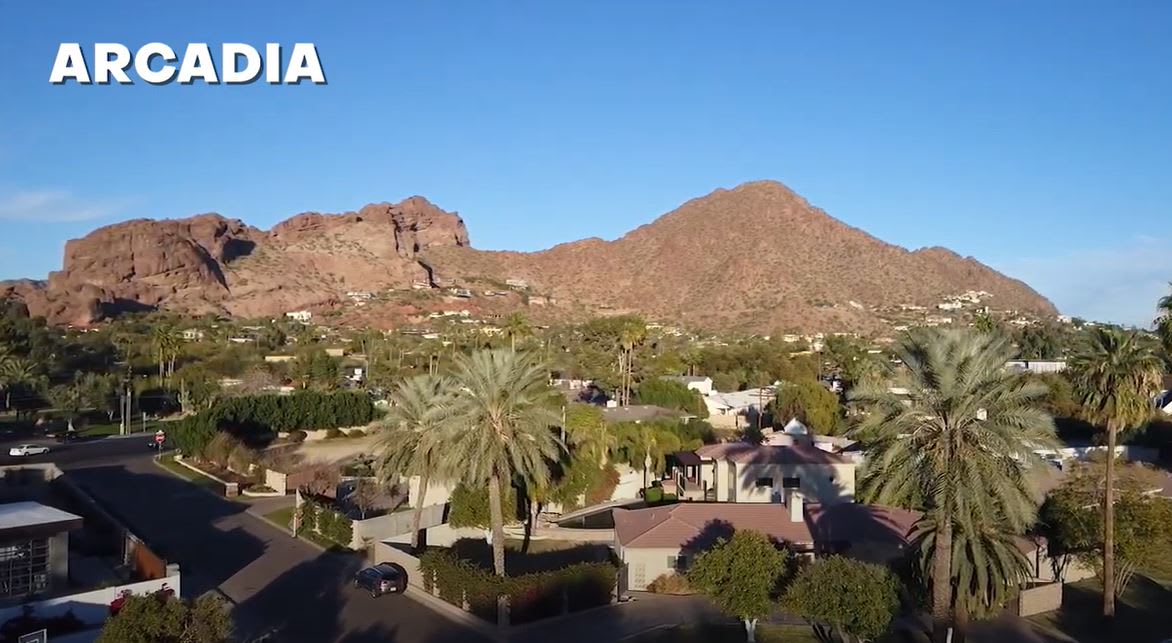
1. ARCADIA AND THE CAMELBACK EAST AREA
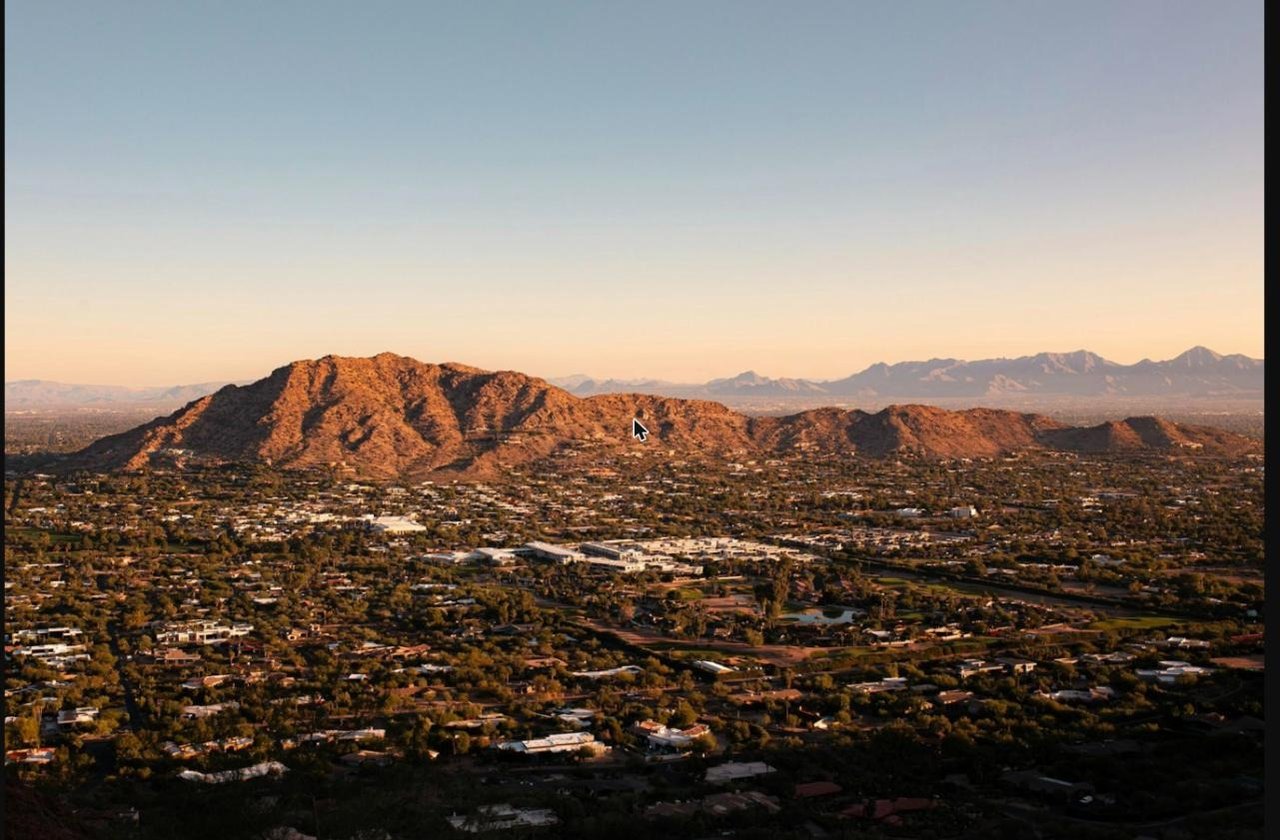
Arcadia is commonly associated with mature landscaping, irrigation history, established homes, redevelopment and proximity to Camelback Mountain, Old Town Scottsdale and central Phoenix. The name is used broadly in real estate, so confirm whether a home is in Phoenix or Scottsdale and which services, zoning rules and school district apply.
Housing can range from older ranch homes to extensive renovations and new custom construction. Compare lot orientation, irrigation responsibilities, sewer or septic, permits, drainage, traffic and the condition of major systems. For a focused luxury comparison, read Paradise Valley vs. Arcadia.
2. BILTMORE AND THE CAMELBACK CORRIDOR
The Biltmore and Camelback Corridor combine luxury homes, gated communities, condos, golf-oriented properties, resorts, offices, dining and shopping near a major central employment area. A buyer can find very different ownership experiences within a short distance.
For condos and planned communities, review HOA financials, reserves, insurance, rental rules, parking, pets, renovations and pending assessments. For detached homes, evaluate traffic exposure, lot privacy, hillside or wash conditions where applicable, and whether club or golf access is separate from property ownership.

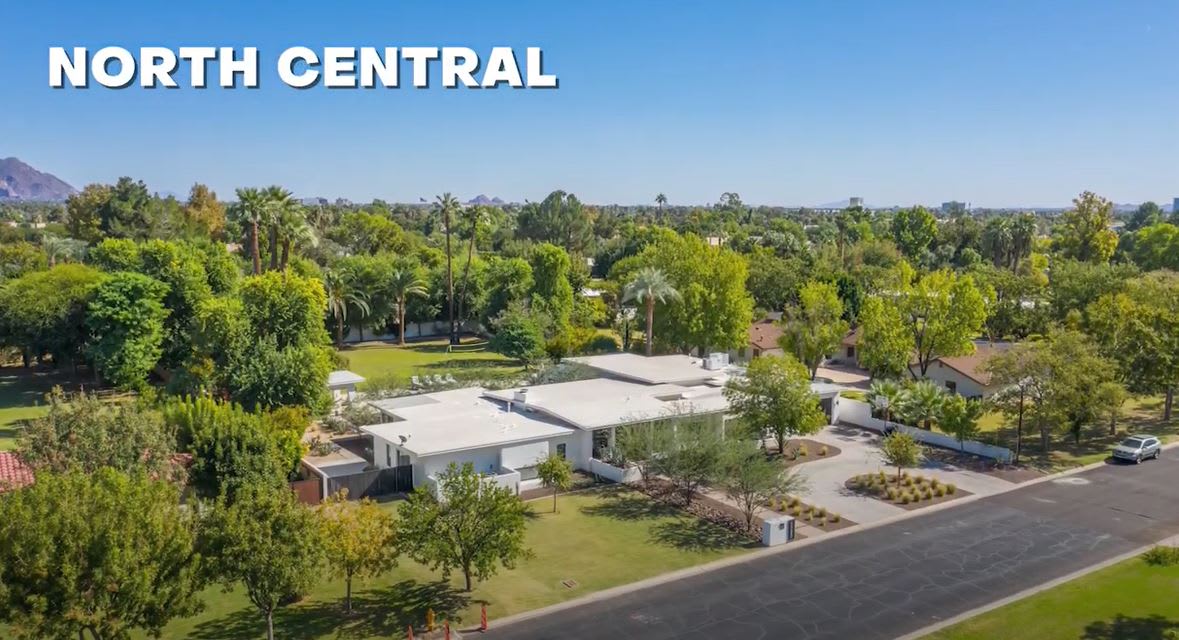
3. NORTH CENTRAL PHOENIX
North Central includes established streets, ranch and custom homes, mature trees, irrigated lots in selected locations and access to central Phoenix destinations. Boundaries are used differently by residents and listings, so compare the exact location rather than relying on the label.
Older homes may have character and substantial lots, but due diligence should cover sewer, plumbing, electrical panels, roof, HVAC, windows, additions, pools, irrigation and permit history. Confirm whether flood irrigation serves the property and understand its schedule, cost and maintenance.
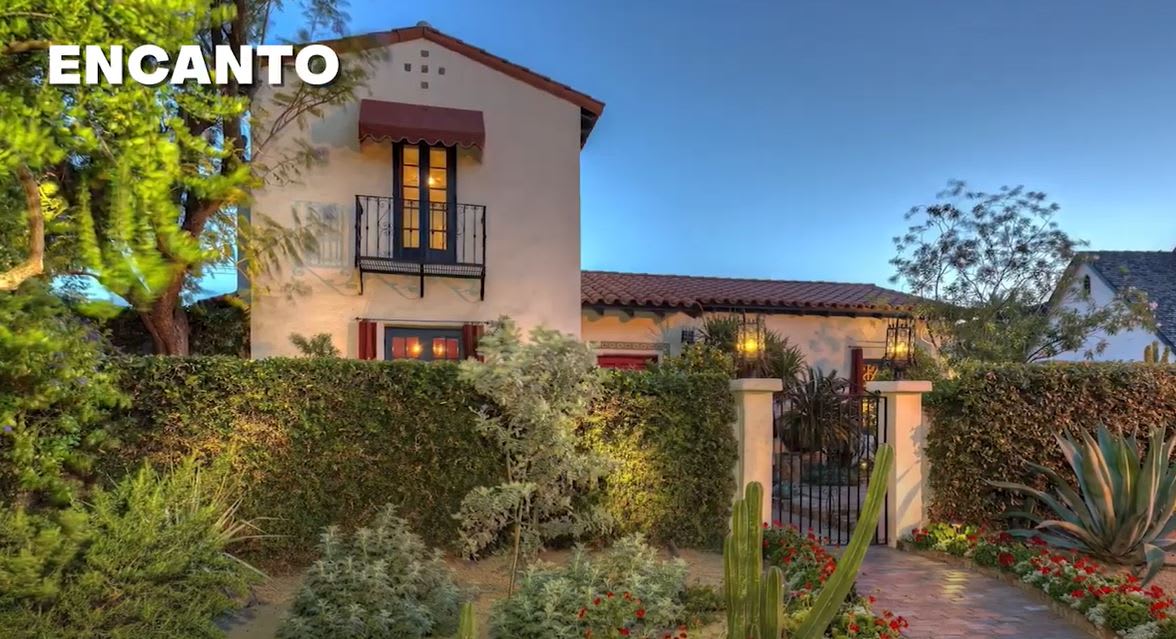
4. WILLO, ENCANTO AND CENTRAL HISTORIC DISTRICTS
Willo, Encanto and other central historic districts offer distinctive architecture and access to Downtown, Midtown, museums, restaurants, events and light rail in selected corridors. Historic designation can affect available incentives, review processes and exterior changes, so verify the property’s status and applicable rules.
Walkability is route-specific. Test the actual trip to work, transit, parks, groceries and dining; note shade, crossings, traffic, event activity and parking. Inspect older systems carefully and confirm the scope and permits for past renovations.
5. DOWNTOWN, MIDTOWN AND UPTOWN
Central Phoenix offers condos, apartments, townhomes, historic homes and infill development near employment, universities, arts, sports, dining and transit. The tradeoff can include smaller outdoor areas, structured parking, HOA costs, event traffic or greater street activity.
For a condo, read the declaration, budget, reserves, master insurance, litigation, rental rules, pet rules, parking allocation and assessment history. Visit during a normal workday and an event evening. Confirm the actual walking or transit route rather than relying on a neighborhood-wide score.

6. NORTH MOUNTAIN AND MOON VALLEY AREA
North Mountain and nearby established areas can offer mountain access, ranch homes, townhomes, condos, selected larger lots and neighborhoods with or without HOAs. Terrain, road patterns and housing age vary substantially.
Evaluate slope, washes, drainage, retaining walls, roof and HVAC condition, sewer or septic, sun exposure and the actual trail route. Mountain views may change with vegetation or nearby construction unless protected by a legal restriction.

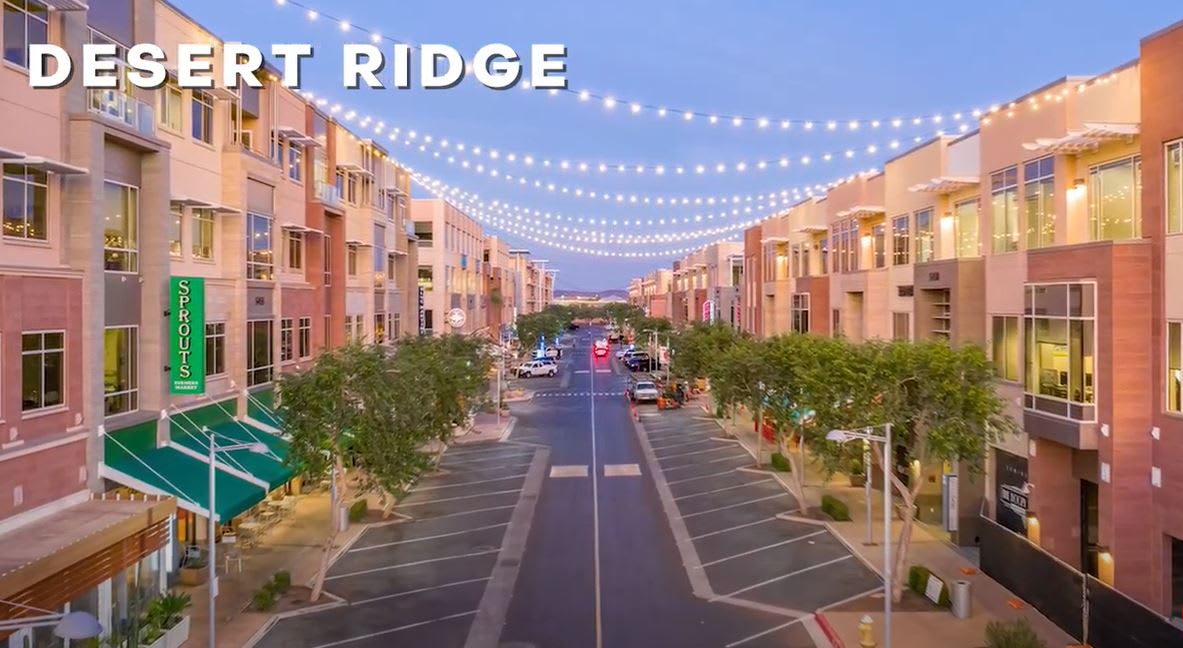
7. DESERT RIDGE AND THE DESERT VIEW AREA
Desert Ridge and nearby north Phoenix communities include newer-established homes, condos, gated communities, master-planned amenities, employment and retail access, and regional connections through Loop 101 and State Route 51. The broader Desert View planning area also includes lower-density and equestrian settings.
Compare HOA layers, membership or amenity costs, renovation history, freeway and aircraft activity, nearby commercial uses, community buildout and summer utility history. Use official planning maps to understand surrounding parcels and proposals.
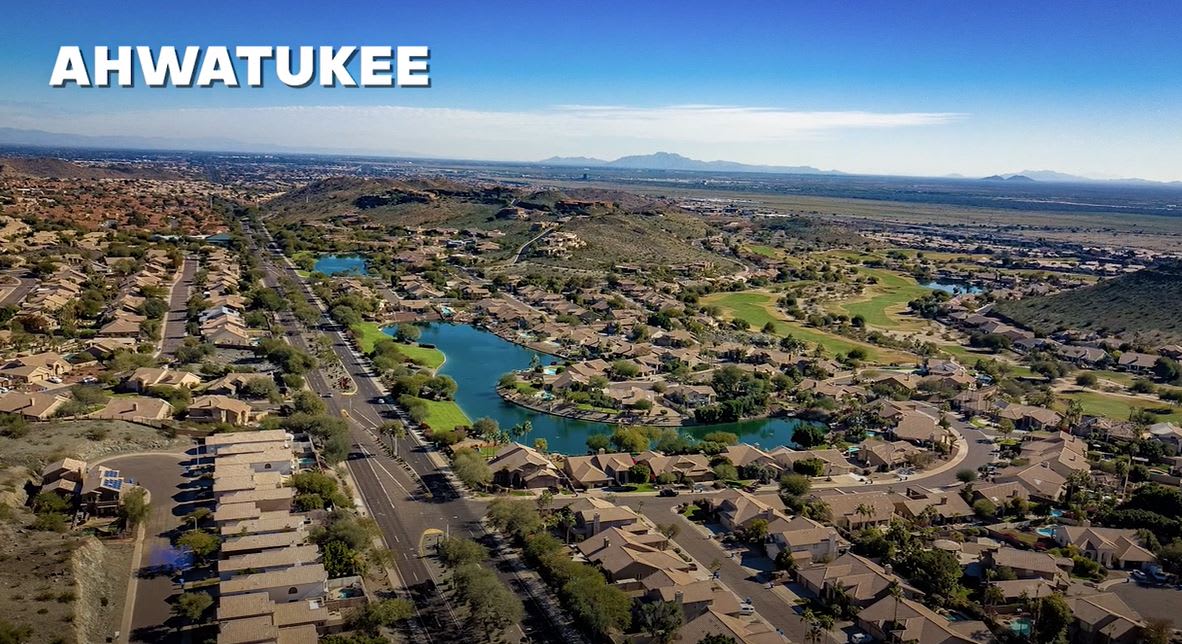
8. AHWATUKEE FOOTHILLS
Ahwatukee is a Phoenix urban village south of South Mountain, with established subdivisions, condos and townhomes, gated and non-gated communities, foothill properties and access to I-10, Loop 202 and desert trails. Geography gives the area a distinct setting, while the limited major routes make exact location especially important.
Compare commute direction, freeway exposure, South Mountain access, HOA structure, hillside or wash conditions and view orientation. Read the detailed Ahwatukee relocation guide.
PHOENIX NEIGHBORHOOD HOME-BUYING CHECKLIST
- Test the routine: Drive to work, the airport, health care, groceries and regular destinations at realistic times.
- Verify the address: Confirm city jurisdiction, urban village, school district if relevant, utilities and emergency services.
- Inspect for Arizona conditions: Review roof, HVAC, windows, drainage, sun exposure, pool, irrigation, washes and slope.
- Review community rules: Read HOA budgets, reserves, insurance, rental and parking restrictions, exterior standards and assessments.
- Research nearby land: Check zoning, active cases, road projects, vacant parcels and airport or freeway exposure.
- Calculate total ownership cost: Include utilities, insurance, HOA dues, landscaping, pool care, transportation and expected repairs.
The City of Phoenix General Plan maps include land use, transit, bikeways, trails, parks, historic properties, schools and airport-noise resources. The city’s planning publications include village brochures and area-specific plans.
FREQUENTLY ASKED QUESTIONS
WHAT IS THE MOST WALKABLE PART OF PHOENIX?
Selected Downtown, Midtown, Uptown and central historic locations may place more destinations within walking, biking or transit reach. Walkability changes by block and route, so test the exact trip for shade, crossings, traffic and the destinations you will actually use.
WHERE CAN I FIND MOUNTAIN VIEWS IN PHOENIX?
Foothill and preserve-adjacent pockets exist near Camelback Mountain, the Phoenix Mountains Preserve, North Mountain and South Mountain. A view is property-specific; evaluate orientation, elevation, walls, vegetation, neighboring parcels and development potential.
WHERE ARE PHOENIX’S NEWER HOMES?
Newer construction and newer-established communities are more common in selected north, west and south Phoenix growth areas, while infill occurs throughout the city. Compare the completed cost, lot, builder contract, HOA, future phases and surrounding land with resale options.
WHERE CAN I FIND HISTORIC HOMES?
Phoenix has multiple designated historic districts in and around central Phoenix. Confirm whether the specific property is contributing, non-contributing or outside a district, and understand review requirements before planning exterior work.
ARE ALL PHOENIX NEIGHBORHOODS IN AN HOA?
No. HOA status varies by subdivision and property. Some locations have no HOA; others have master and sub-associations. Always review current recorded documents and financials.
HOW SHOULD I RESEARCH SCHOOLS WITHOUT RELYING ON A RANKING?
Confirm the assigned district and school directly, then review official programs, enrollment, transportation and services relevant to the student. Boundaries and programs can change, and third-party ratings do not describe every educational experience.
BUILD YOUR PHOENIX SHORTLIST
Start with the Phoenix-area city guide, compare the cost of living in Phoenix, and use the moving-to-Phoenix checklist. If Scottsdale is also under consideration, see the Scottsdale area guide.
If you share your commute, home style, lot, view, amenities and monthly-cost priorities, I can help you compare Phoenix neighborhoods and individual properties without forcing your search into a generic ranking. Visit the relocation page to get started.
Sources reviewed: City of Phoenix General Plan 2025, urban-village resources, planning publications and area plans. Boundaries, projects, zoning, school assignments, service areas and conditions can change; verify current information for the specific property.