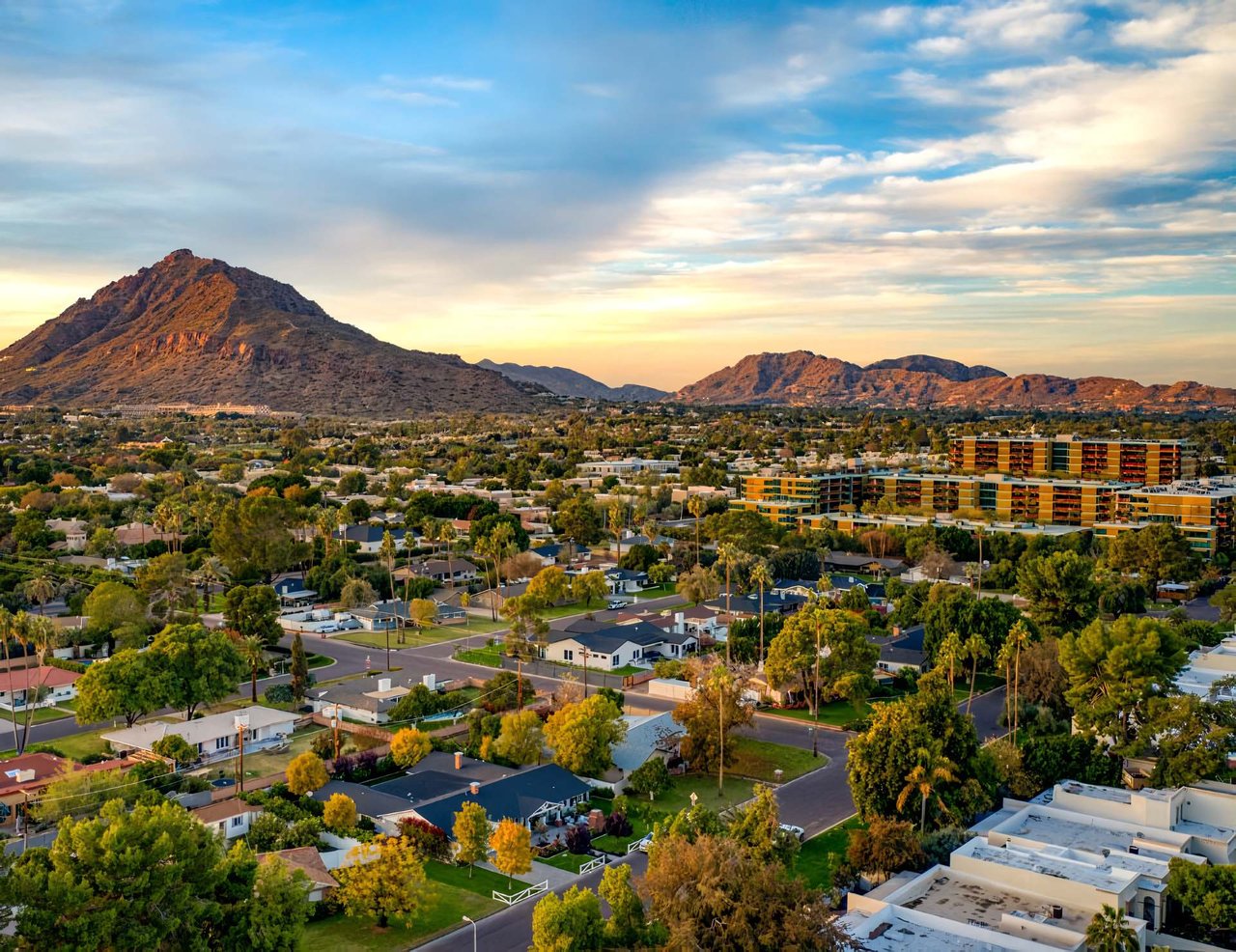
PARADISE VALLEY VS. ARCADIA: QUICK COMPARISON
Factor | Paradise Valley | Arcadia |
|---|---|---|
Jurisdiction | Separate incorporated town | Primarily a Phoenix neighborhood identity, with adjacent Scottsdale areas often included in broader usage |
Typical setting | Low-density residential, large lots, resorts and mountain settings | Established streets, mature landscaping, irrigation history and central urban access |
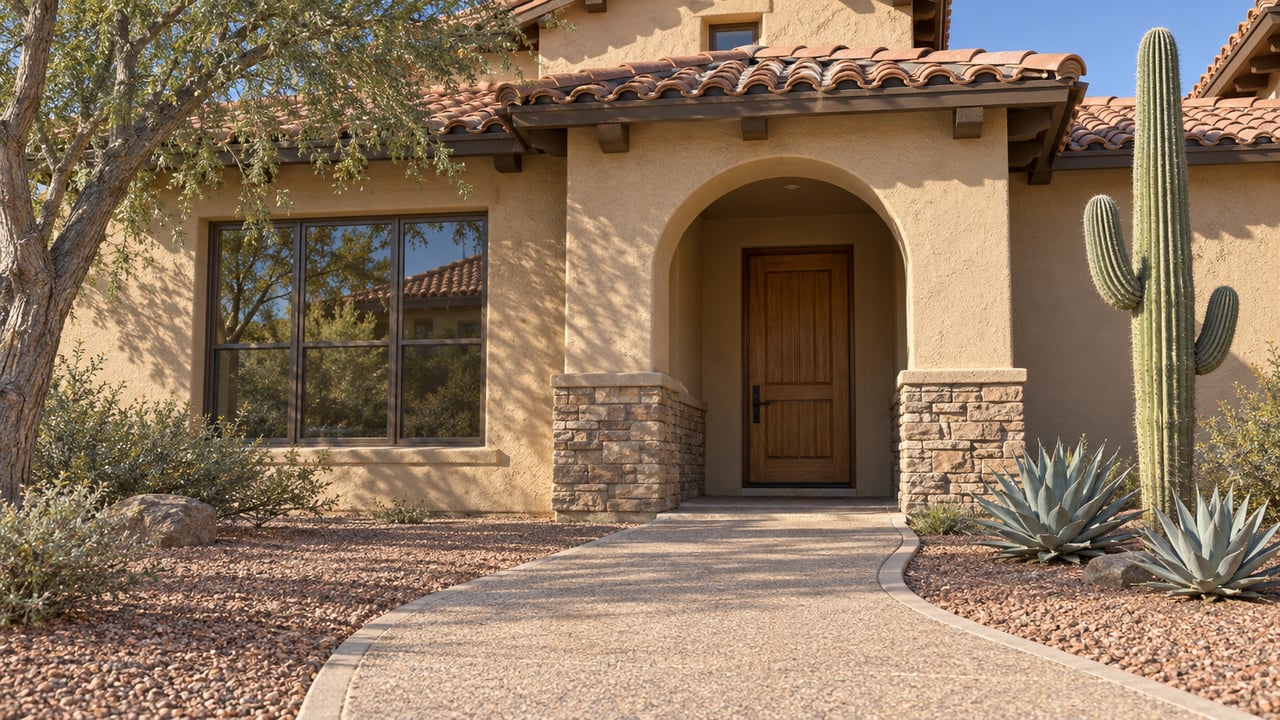
Housing | Estates, custom homes, hillside properties, remodels and redevelopment | Ranch homes, mid-century homes, remodels, additions and new custom construction |
Lots and privacy | Many one-acre-or-larger settings; most of town is zoned R-43 | More variation in lot size and spacing; verify each parcel |
Walkability | Many daily trips require a vehicle | Selected locations are closer to restaurants, shops, canals and Old Town connections |
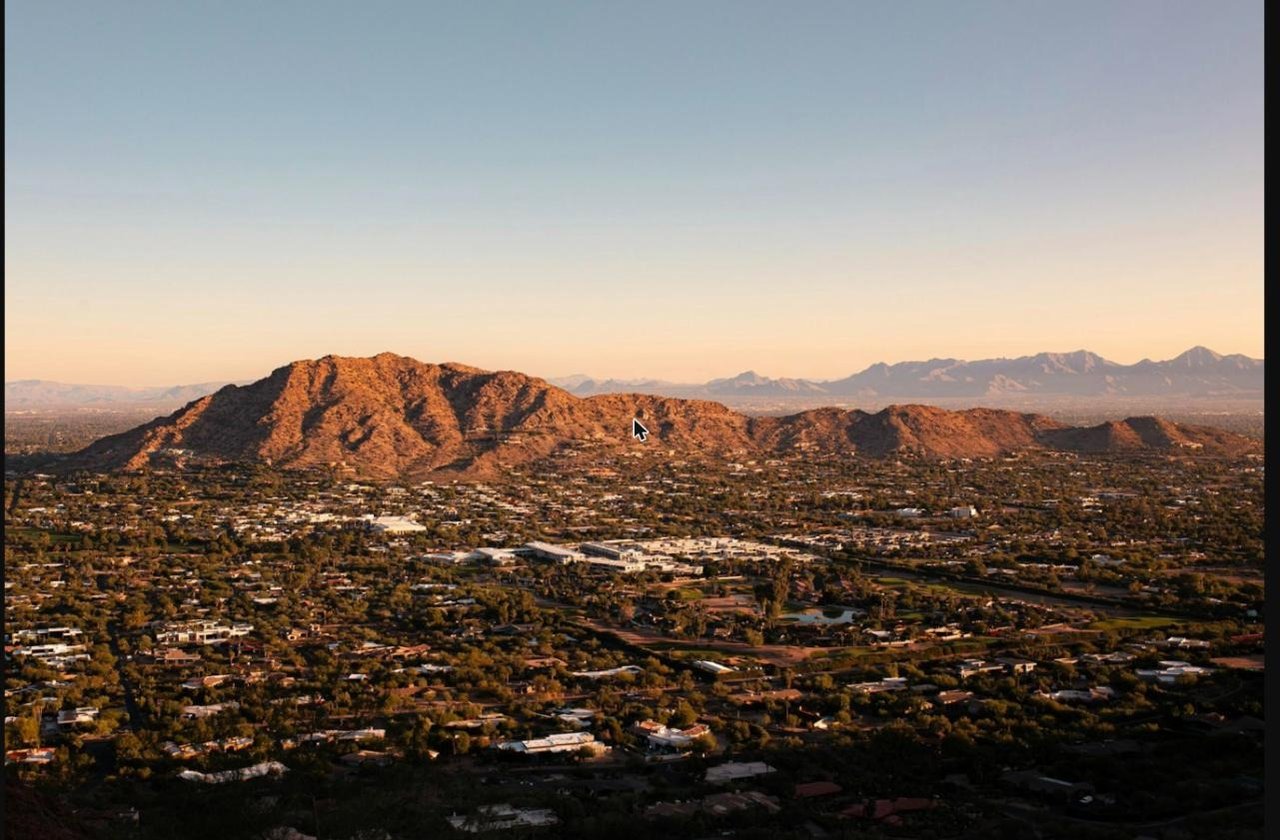
Views | Camelback, Mummy Mountain and Phoenix Mountains settings | Camelback Mountain and selected city or neighborhood views |
Due diligence emphasis | Hillside status, drainage, zoning, utilities, access and large-property maintenance | Jurisdiction, irrigation, sewer or septic, additions, permits, traffic and redevelopment |
WHAT MAKES PARADISE VALLEY DIFFERENT?
The Town of Paradise Valley is a separate municipality between Phoenix and Scottsdale. Its 2022 General Plan describes a predominantly low-density, semi-rural residential community and identifies a minimum lot size of at least one acre as a central land-use feature, with exceptions in certain zoning and resort-related areas.
This pattern can create greater separation between homes and more room for outdoor living, guest structures, garages or landscape design, subject to zoning, setbacks, lot coverage, easements and hillside rules. It also means more exterior area to maintain and potentially higher landscape, pool, roof, irrigation, security and repair costs.
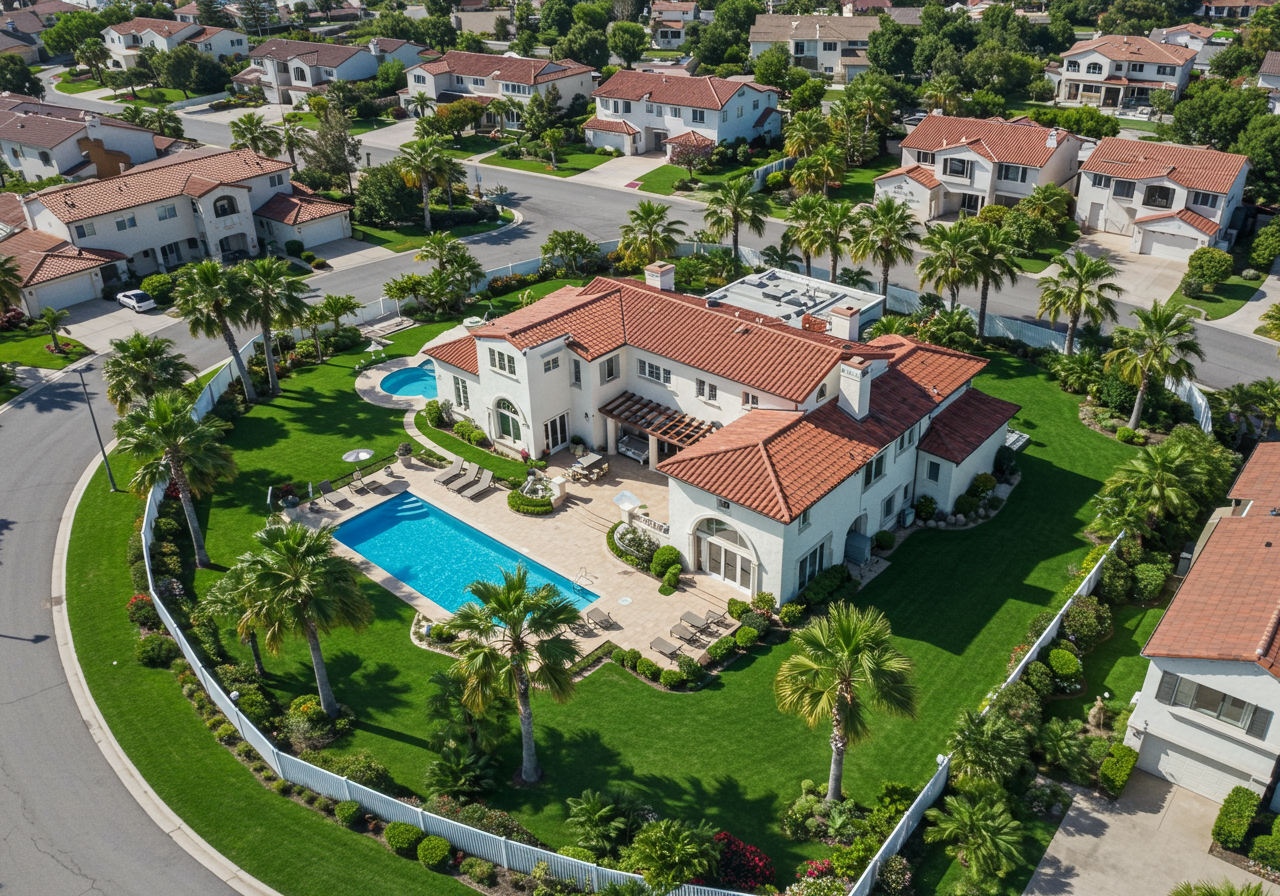
PARADISE VALLEY HOUSING AND REDEVELOPMENT
Housing ranges from older ranch and custom homes to extensive renovations and new estates. Age alone does not tell you the condition. A remodeled interior may coexist with older sewer or septic components, electrical service, plumbing, roof, windows, HVAC, pool equipment or site drainage.
For a major renovation or replacement home, review the survey, zoning, setbacks, building envelope, height, lot coverage, grading, drainage, easements, utility capacity and permit history before assuming a concept will be approved. The Town’s 2022 General Plan, public GIS maps and planning resources provide official starting points.
HILLSIDE AND VIEW PROPERTIES
Some Paradise Valley properties are within designated hillside areas or have meaningful slope, drainage and access considerations. A mountain view should never be evaluated only from listing photos. Visit at different times, stand in the rooms and outdoor areas that matter, and review nearby parcels, elevation, vegetation, ridgelines and applicable restrictions.
The town’s Hillside Building Committee page links to the interactive hillside map and current regulations. For a hillside property, add appropriate specialists for geotechnical, drainage, retaining-wall, access, wildfire and insurance questions.
DAILY ROUTINE AND SERVICES
Paradise Valley has resorts and selected nonresidential uses, but much of the town is residential. Many errands require driving to Phoenix or Scottsdale. Test routes to work, Sky Harbor, health care, groceries, dining and frequent destinations at realistic times.
Utilities and service arrangements can vary by address. Confirm water provider, sewer or septic, electricity, gas, trash, internet, fire service, road responsibility and any private-street obligations for the exact parcel.
WHAT MAKES ARCADIA DIFFERENT?
Arcadia is known for established housing, former citrus-grove history, mature landscaping, irrigation in selected locations and proximity to Camelback Mountain, Scottsdale, the Biltmore/Camelback Corridor and central Phoenix. The name is used broadly, so the first question is not simply “Is this Arcadia?” but “What city, parcel, school district, utility area and set of regulations apply to this address?”
Most of traditional Arcadia is within Phoenix’s Camelback East Urban Village, while the broader real-estate label can include adjacent Scottsdale locations. The City of Phoenix’s Camelback East page links to the Arcadia Camelback Special Planning District Plan, zoning resources and area maps.
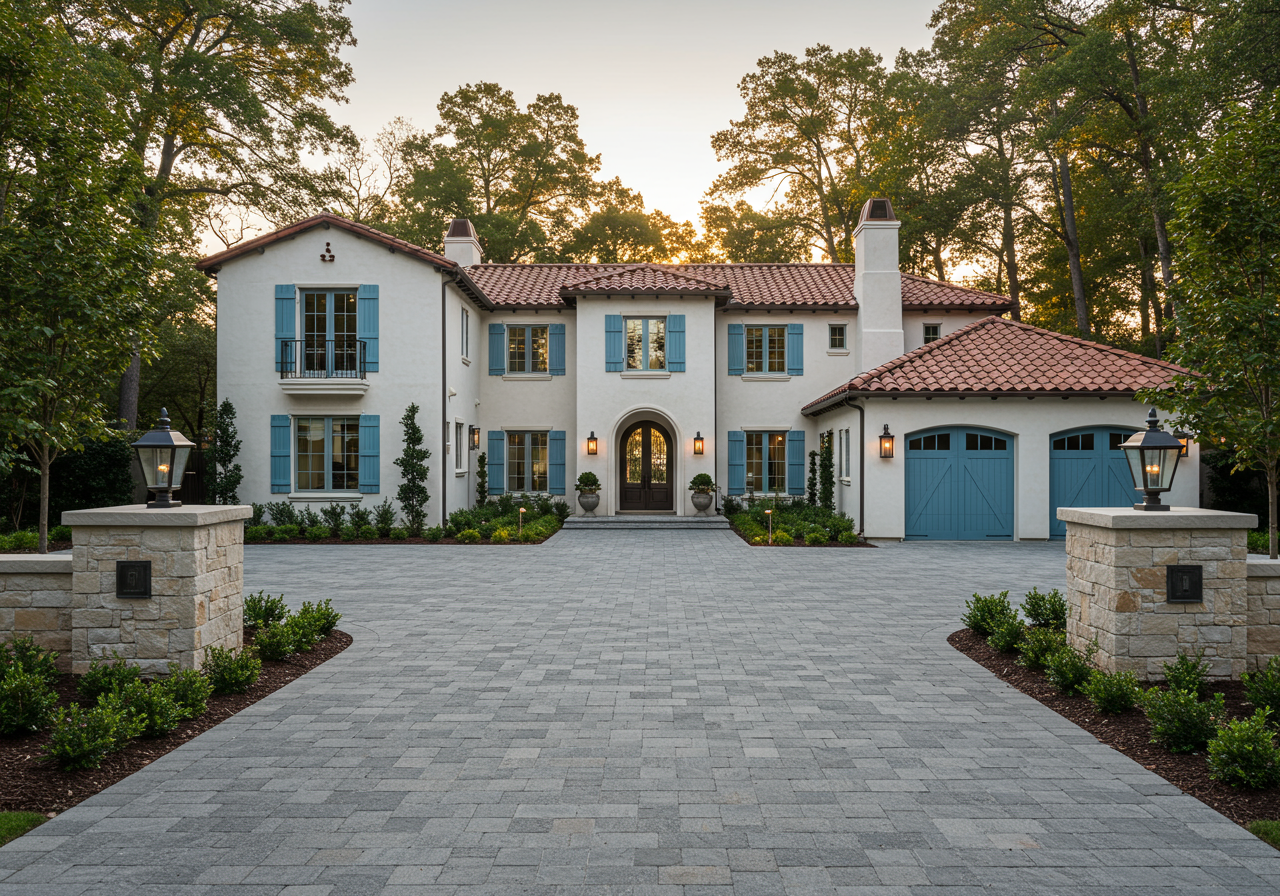
ARCADIA HOUSING AND RENOVATION
Arcadia includes ranch and mid-century homes, remodeled properties, additions and replacement construction. Two homes with similar finishes can have very different structural, permitting and systems histories.
Review roof, HVAC, plumbing, sewer or septic, electrical service, windows, pool, irrigation, grading, drainage and permits. For an expanded or rebuilt home, compare plans and approvals with the finished structure. If future remodeling matters, investigate zoning, setbacks, lot coverage, easements and utility capacity before closing.
LOT SIZE, IRRIGATION AND LANDSCAPING
Arcadia lot sizes vary more than the common image of the neighborhood suggests. Some properties have generous yards and mature trees; others prioritize home size or have tighter relationships with neighboring structures. Measure privacy and usable outdoor space rather than relying on acreage alone.
Where flood irrigation or shared systems exist, verify rights, schedule, fees, delivery, maintenance and past drainage issues. Mature landscaping can be a major feature, but it also brings pruning, root, irrigation, leaf, pest and water-use considerations.
ACCESS AND WALKABILITY
Arcadia’s central position can shorten trips to Old Town Scottsdale, the Biltmore area, Downtown Phoenix and Sky Harbor compared with some farther-out luxury areas. Selected homes are near restaurants, shops, schools, parks or canal paths, while others remain car-dependent.
Test the exact route for sidewalks, crossings, lighting, shade, traffic, parking and canal access. Visit during commute, evening and weekend periods, especially near restaurants, schools, event routes or major streets.
LUXURY HOME DUE DILIGENCE: BOTH AREAS
- Confirm jurisdiction and parcel facts: City or town, zoning, lot size, school district if relevant, utilities and road responsibility.
- Review the improvements: Permits, additions, guest houses, garages, walls, pools, solar, wells or septic systems where applicable.
- Inspect the site: Drainage, slope, retaining walls, washes, access, sun exposure, landscape systems and wildfire awareness.
- Evaluate privacy and views: Walk the perimeter, check every key sightline and research surrounding parcels.
- Calculate ongoing cost: Insurance, utilities, landscape, pool, security, roof and mechanical systems, plus expected capital projects.
- Check use restrictions: HOA documents, zoning, short-term-rental rules, construction standards, parking and accessory structures.
- Test the routine: Drive to work, airport, health care, dining, recreation and other regular destinations.
FREQUENTLY ASKED QUESTIONS
IS PARADISE VALLEY A NEIGHBORHOOD OF PHOENIX?
No. The Town of Paradise Valley is a separate incorporated municipality. Phoenix also has a planning area called Paradise Valley Village, which is different from the Town of Paradise Valley. Confirm the exact jurisdiction for every property.
IS ARCADIA IN PHOENIX OR SCOTTSDALE?
Traditional Arcadia is generally associated with east Phoenix, while the Arcadia name is also used broadly for adjacent areas extending toward Scottsdale. Mailing address, listing language and neighborhood identity do not replace parcel and jurisdiction research.
WHICH AREA USUALLY OFFERS LARGER LOTS?
Paradise Valley is primarily characterized by one-acre residential zoning, although exceptions and existing conditions vary. Arcadia has a wider range of lot sizes. The usable portion of a lot, setbacks, slope, easements and building coverage matter as much as the recorded acreage.
WHICH AREA IS MORE WALKABLE?
Selected Arcadia locations may offer closer access to restaurants, shops, schools, parks or canal routes. Paradise Valley is lower-density and many trips require a vehicle. Evaluate the exact address and route rather than assigning one score to an entire area.
WHERE ARE THE BEST MOUNTAIN VIEWS?
Both areas can offer Camelback Mountain or other mountain views. Paradise Valley also includes Mummy Mountain and Phoenix Mountains settings. A view is property-specific and may be affected by orientation, elevation, vegetation and future development.
WHICH AREA IS BETTER FOR A REMODEL OR NEW BUILD?
Either can work, but feasibility depends on the parcel, jurisdiction, zoning, hillside status, setbacks, utilities, drainage, access and existing structure. Complete planning and construction due diligence before valuing a property based on an unapproved concept.
CHOOSING BETWEEN PARADISE VALLEY AND ARCADIA
Choose the property, not the reputation. A buyer prioritizing low density, large lots, privacy and mountain settings may begin in Paradise Valley. A buyer prioritizing mature landscaping, varied architecture and central access may begin in Arcadia. The final decision should come from property-specific condition, routine, cost and development constraints.
Compare more options in the Phoenix neighborhoods guide and the Scottsdale area guide. For a focused property comparison based on your priorities, visit the Phoenix relocation page.
Sources reviewed: Town of Paradise Valley 2022 General Plan, public GIS and hillside resources; City of Phoenix Camelback East Urban Village and Arcadia Camelback planning resources. Boundaries, zoning, projects, utilities, rules and property conditions can change; verify current information directly.