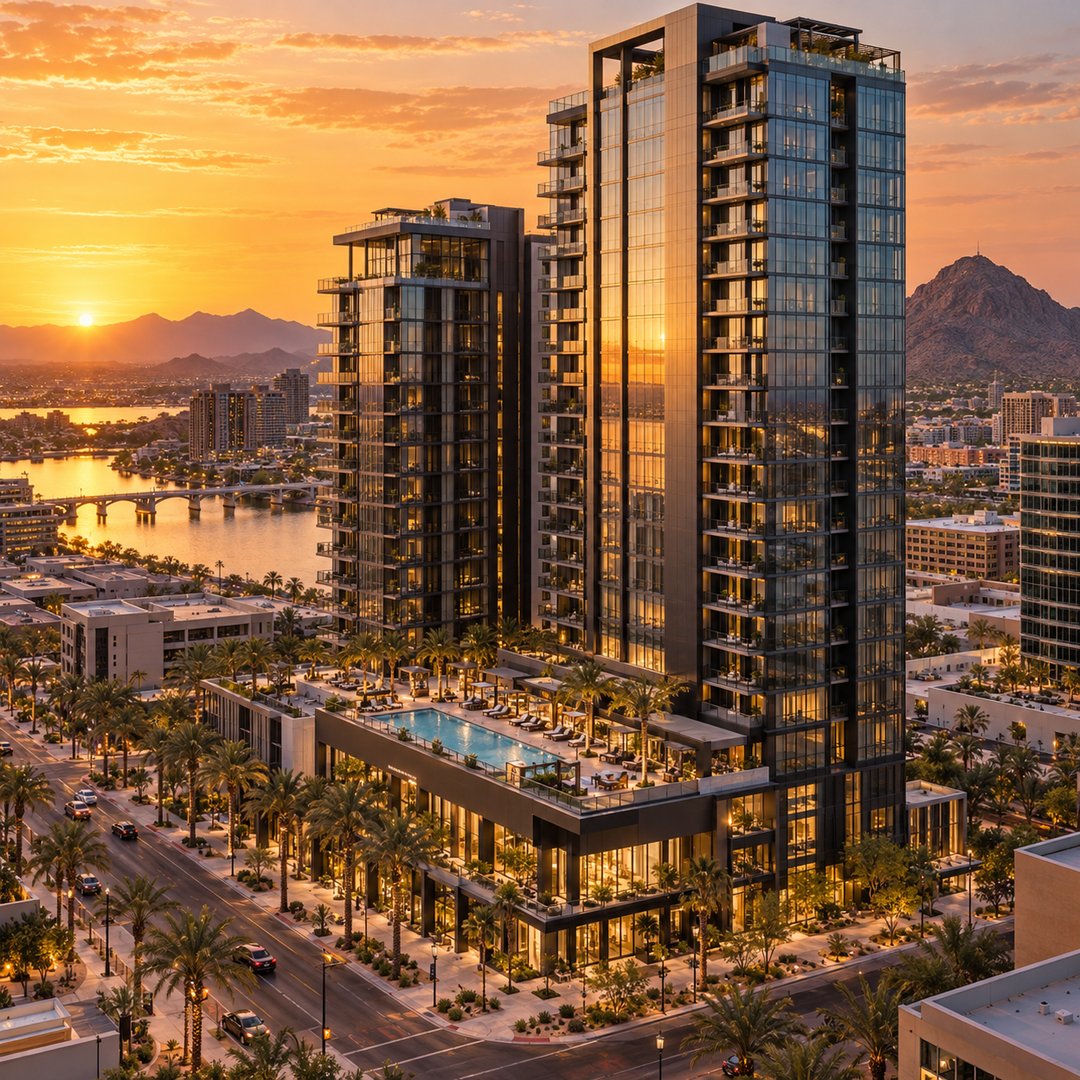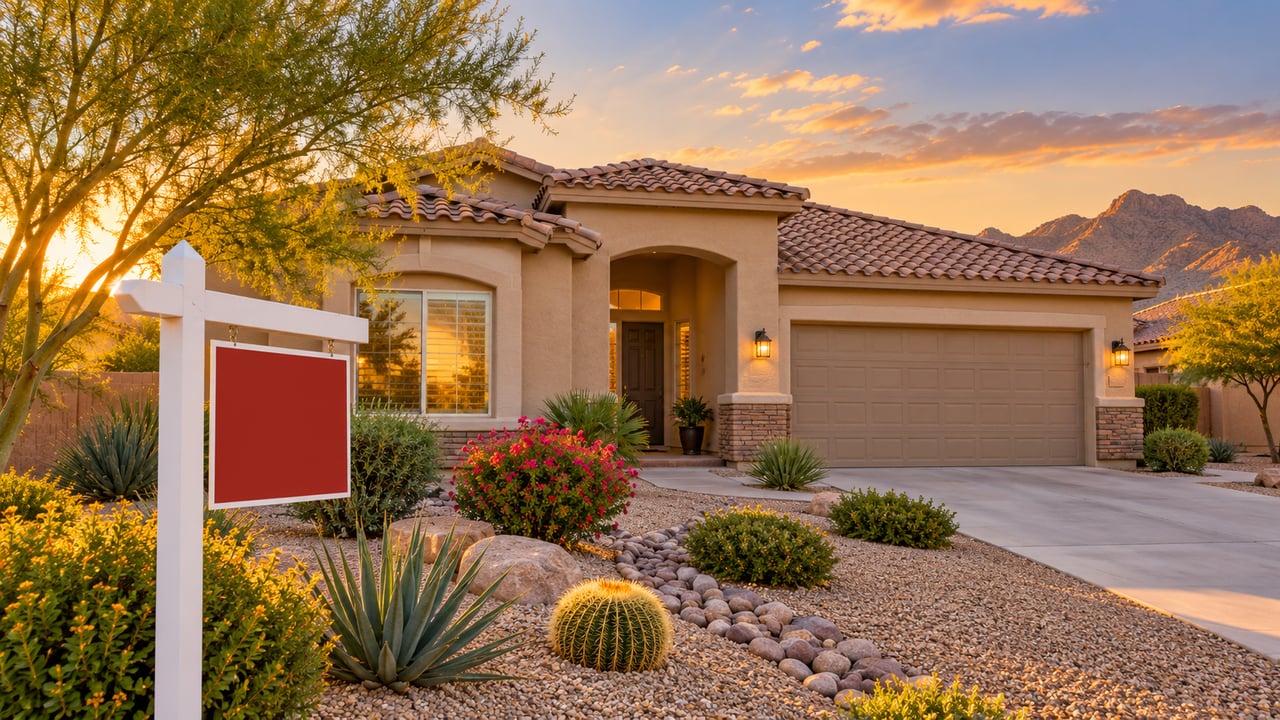
Updated September 2026: Tempe is a compact, centrally located city in the Phoenix metro area with a mix of university-adjacent condos, downtown apartments, mid-century neighborhoods, townhomes, and established single-family homes. Its biggest advantages are regional access and transportation choices; its biggest tradeoffs can include event traffic, aircraft or roadway noise in some locations, smaller lots, and older housing systems.
The right part of Tempe depends on whether you prioritize a walkable routine near Downtown and Arizona State University, access to Tempe Town Lake, or a more residential setting in south Tempe. Compare exact addresses rather than relying on a citywide description.
Living in Tempe: the quick answer
Tempe can be a practical fit for buyers who want relatively central access to Phoenix, Scottsdale, Mesa, Chandler, Sky Harbor, major freeways, and multiple transit options. Housing varies substantially between Downtown and Town Lake condominiums, older homes near the urban core, and larger residential pockets farther south.
Before choosing a home, test your commute at the times you will actually travel, review parking and noise conditions, verify utility and HOA costs, and budget for the age and condition of the property.
Tempe areas to compare
Area | Housing and setting | What to verify |
|---|---|---|
Downtown and ASU area | Condos, townhomes, apartments, infill development, restaurants, events, and transit | Parking, game-day and event activity, HOA finances, noise, and true walkability |
Tempe Town Lake and Rio Salado | Condominium buildings, newer mixed-use development, offices, recreation, and paths | Building reserves, insurance, assessments, traffic, sun exposure, and lake-event activity |
North and central Tempe | Established neighborhoods, mid-century homes, condos, and access toward Scottsdale and Papago Park | Renovation history, flight-path awareness, sewer, roof, HVAC, and street traffic |
South Tempe | Established single-family neighborhoods, townhomes, selected larger lots, and access toward Chandler | Commute route, HOA rules, property condition, irrigation or landscaping, and freeway proximity |
What to know before moving to Tempe
1. Tempe’s central location can simplify regional travel
Tempe sits near Loop 101, Loop 202, US 60, and Interstate 10 connections, placing many parts of Phoenix, Scottsdale, Mesa, and Chandler within a manageable regional drive. Sky Harbor is also nearby, but travel time varies with the exact address, route, traffic, and terminal.
Do not choose a home based on a “minutes from” marketing claim. Test the trip from the driveway during work hours and during major events if the property is near Downtown, ASU, or a stadium. Include airport, health-care, grocery, and weekend routes in the comparison.
2. Tempe offers more transportation choices than many Valley cities
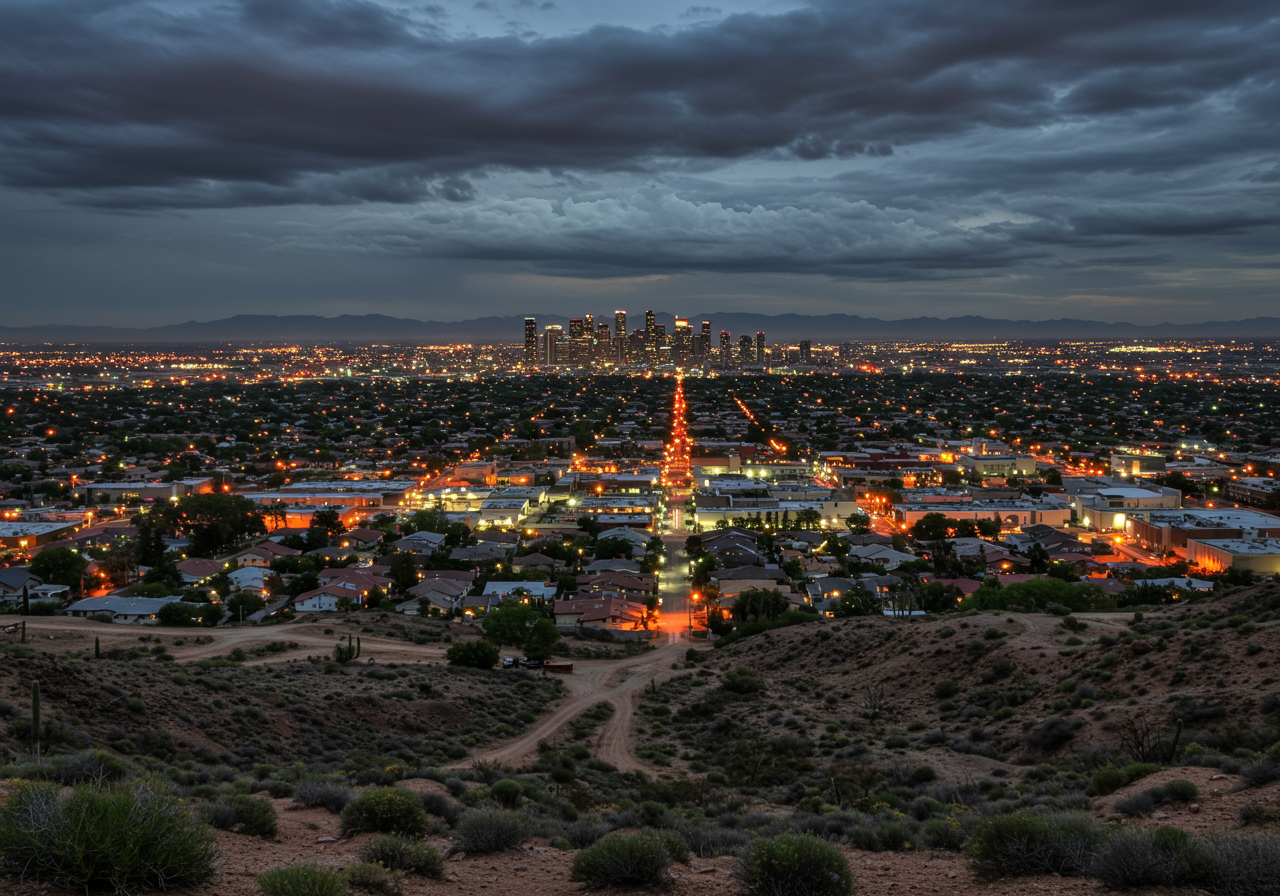
Tempe has regional bus service, light rail, the Tempe Streetcar, neighborhood circulators, bicycle routes, and multi-use paths in addition to driving. Access varies by neighborhood, and a transit line shown on a map is only useful if its schedule and first-mile connection work for your routine.
The City of Tempe’s transit information lists current services and system resources. The city is also developing its Transportation Plan 2050; proposed recommendations should be treated as planning context until formally adopted and implemented.
3. Downtown, Town Lake, and south Tempe feel different
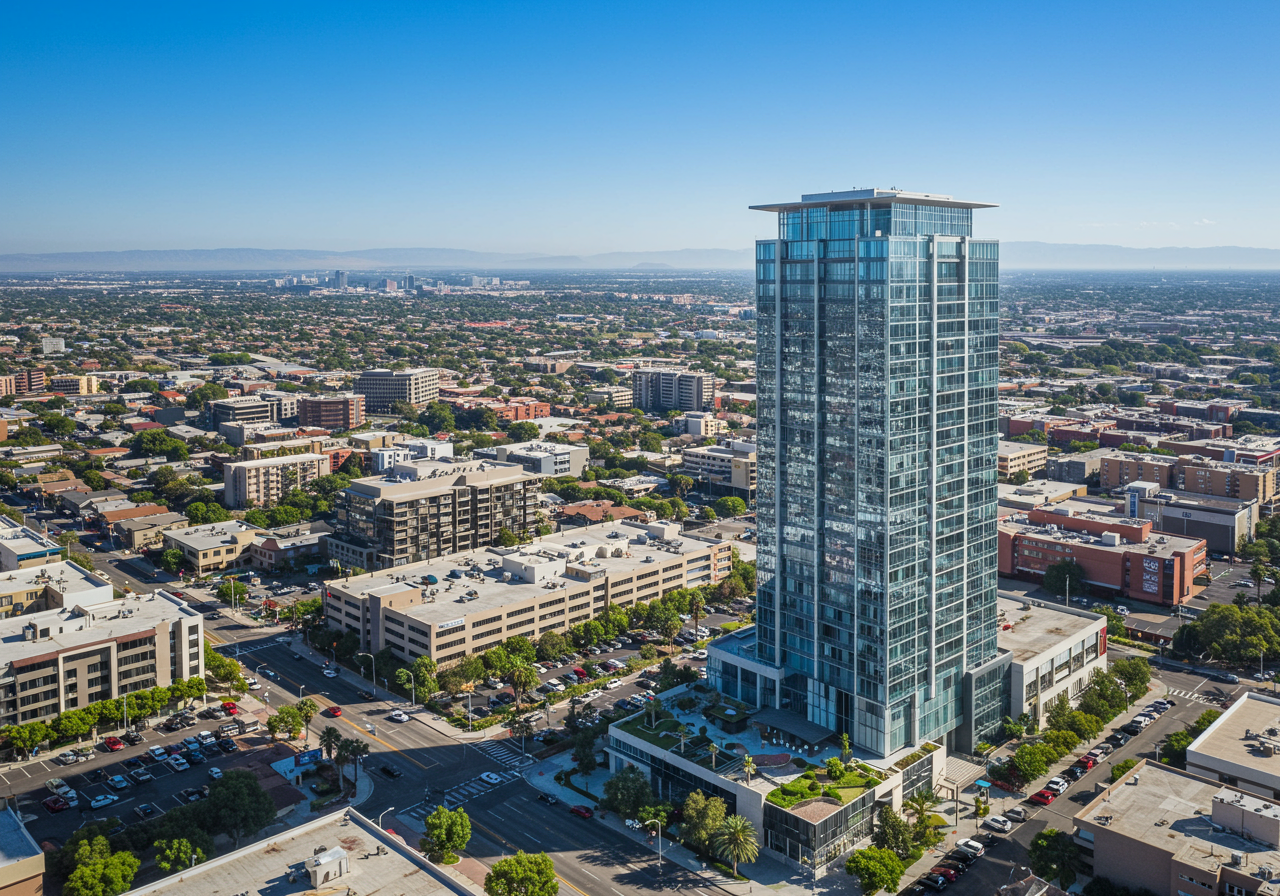
Downtown Tempe and the ASU area concentrate restaurants, entertainment, events, campus activity, and transit. A condo or townhome here may support a more walkable routine, but buyers should evaluate parking, delivery access, late-night activity, event schedules, and association finances.
The Tempe Town Lake and Rio Salado area combines paths, water recreation, offices, events, and newer mixed-use development. In a condominium building, study the HOA budget, reserves, master insurance, pending assessments, rental rules, parking assignment, and responsibility for windows, balconies, HVAC, plumbing, and other building systems.
South Tempe generally has more residential single-family areas and selected larger lots. It may provide convenient access toward Chandler and US 60 or Loop 101, depending on the address. Walkability and transit access usually need to be checked property by property.
4. Older homes require property-specific due diligence
Many Tempe neighborhoods were built decades ago. An older home can offer established landscaping and distinctive architecture, but condition matters more than age alone. A professional inspection should be supplemented when necessary by sewer scope, roof evaluation, HVAC review, pool inspection, electrical assessment, and permit research.
Ask what has been replaced, who completed the work, whether permits were required, and what remains near the end of its useful life. Compare the cost of future improvements with a home that has already been updated, while recognizing that recent finishes do not guarantee underlying systems were replaced.
5. University and event activity affect some locations
Arizona State University is an important part of Tempe’s economy, transportation network, and calendar. Properties close to campus or major venues can experience changing traffic, parking demand, pedestrian activity, and noise during games, concerts, move-in periods, and other events.
Visit a candidate property on a typical weekday and again during an active evening or weekend. If rental potential matters, review current city rules, HOA restrictions, insurance requirements, and operating costs rather than assuming demand or eligibility.
6. Outdoor access is woven into the city
Tempe Town Lake, the Rio Salado paths, neighborhood parks, Papago-area access, and larger destinations such as Kiwanis Park provide a range of outdoor options. The City of Tempe’s Parks and Recreation Master Plan and park resources offer official context, but proximity and route comfort should be tested from the exact home.
How to compare Tempe homes
- Commute and transportation: Test driving, transit, biking, and walking options that match your routine.
- Noise and activity: Check aircraft, freeway, rail, event, nightlife, and campus conditions at different times.
- Property systems: Review roof, HVAC, plumbing, sewer, electrical, windows, pool, and permit history.
- Total monthly cost: Include taxes, insurance, utilities, HOA dues, parking, maintenance, and expected repairs.
- HOA health: For condos and townhomes, study budgets, reserves, insurance, assessments, and restrictions.
- Future context: Review nearby development and public planning information without assuming proposed projects are guaranteed.
The City of Tempe’s Community Development Department is the starting point for land-use planning, permits, construction oversight, and neighborhood information.
Frequently asked questions about living in Tempe
Is Tempe only a college town?
No. ASU has a major presence, but Tempe also includes established residential neighborhoods, employment centers, parks, downtown districts, and regional transportation connections. The campus influence is strongest in particular areas.
What types of homes are available in Tempe?
Buyers can find condos, townhomes, patio homes, mid-century and other established single-family homes, renovated properties, and newer infill or mixed-use residences. The mix changes considerably by location.
Which part of Tempe is most walkable?
Downtown and the ASU area have the strongest concentration of destinations and transit, while the Town Lake area also connects to paths and mixed-use development. Actual walkability depends on the building, crossings, shade, and places you use.
Does Tempe have light rail?
Yes. Regional light rail serves parts of Tempe, and the city also has a streetcar, bus routes, and neighborhood circulators. Confirm the nearest stop, operating schedule, and connection from each property.
Is south Tempe different from north Tempe?
Generally, south Tempe contains more residential single-family areas, while the Downtown, ASU, and Town Lake portions of north-central Tempe have more condos, apartments, events, and mixed-use development. Boundaries are informal, so compare specific neighborhoods.
What should I inspect in an older Tempe home?
In addition to a complete home inspection, consider the sewer line, roof, HVAC, electrical panel, plumbing, windows, pool, drainage, and permit history for additions or conversions.
How close is Tempe to Sky Harbor?
Many Tempe locations have relatively direct airport access, but drive time and aircraft-noise exposure vary. Test the route to your preferred terminal and visit the property at different times if flight activity is a concern.
Plan your Tempe relocation
If Tempe is on your shortlist, I can help you compare its neighborhoods with Scottsdale, Phoenix, Mesa, and Chandler based on commute, home style, walkability, and total ownership cost. Explore the Phoenix-area city guide, the Phoenix cost-of-living guide, or the relocation page to plan a focused search.
Sources reviewed: City of Tempe transportation and transit resources, Transportation Plan 2050, Community Development, and Parks and Recreation planning information. Routes, schedules, projects, rules, and services can change; verify current details with the appropriate city department, transit provider, HOA, or property professional.