With its growing population, one assumes there are few negatives to living in Phoenix, Arizona. Residents rave on and on about the weather, the affordability, and the large houses and yards, but few of them talk about the cons of living in Phoenix. We are breaking down the honest & real 10 reasons NOT to move to Phoenix – and we’re giving it to you straight. No frills, or fake answers like “You’ll run out of clean shorts to wear because every day is sunny and beautiful and you always get to dress like Tommy Bahama and nobody here has to go to work or have a job.” Nope, none of that. Just the down and dirty truth about the worst Phoenix has to offer.
2026 Update
We refreshed the cost-of-living numbers below and added two new honest reasons (9 and 10) that used to live only in the video, so the full list is text-searchable and up to date.
Thinking About Moving? We Can Help!
Whether you’re weighing Phoenix against your current city or just want the unfiltered truth before you move, having a local expert in your corner makes the process easier, from touring homes to navigating offers, financing, and closing. Contact us here or call/text (602) 734-7263 to get started.
1. Phoenix Has a Lack of Seasons:
That first fall morning when the air smells earthy is not only an indicator of the crimson leaves to come; it’s a mental indicator of time that is passing. The falling snow that tells little ones Christmas morning is right around the corner is delightful and incites joy in children both young and old.
In Phoenix, you won’t have any of that.
Yes, grinning pumpkins still adorn doorsteps in October, and people still decorate cacti and palm trees with colorful Christmas lights, but it’s undoubtedly just not the same. If you’re moving from a climate in which you have seasons, you might be surprised to find how much you miss them. They not only help us to feel festive, but they help us to feel the days and weeks passing into months and years. An endless summer might sound wonderful, but it can actually be a huge downside to many people.
Bottom line: if four distinct seasons are a dealbreaker for you, Phoenix will disappoint. If you’re fine trading snow shovels for 300+ days of sunshine, this one barely registers.
2. Desert Landscape (and Not Much Else):
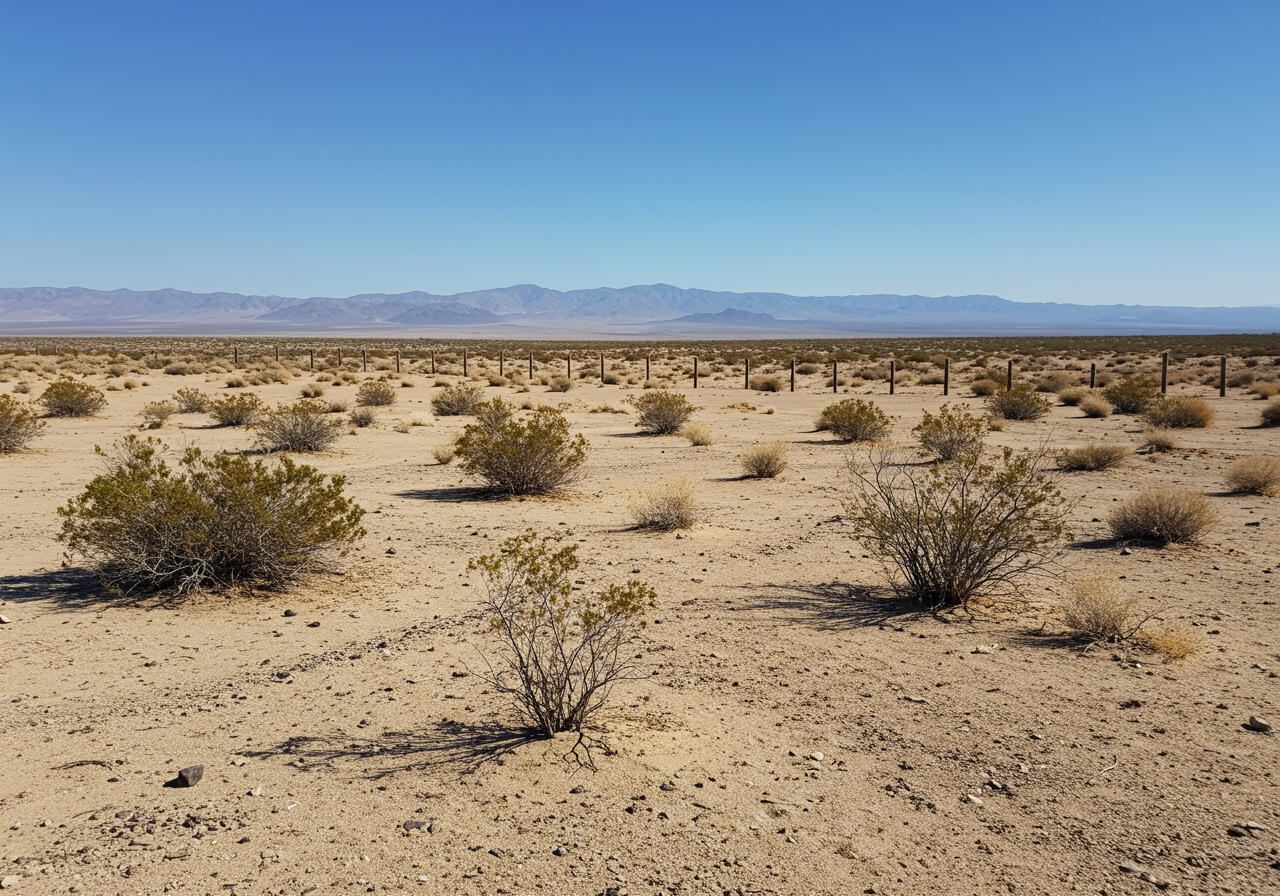
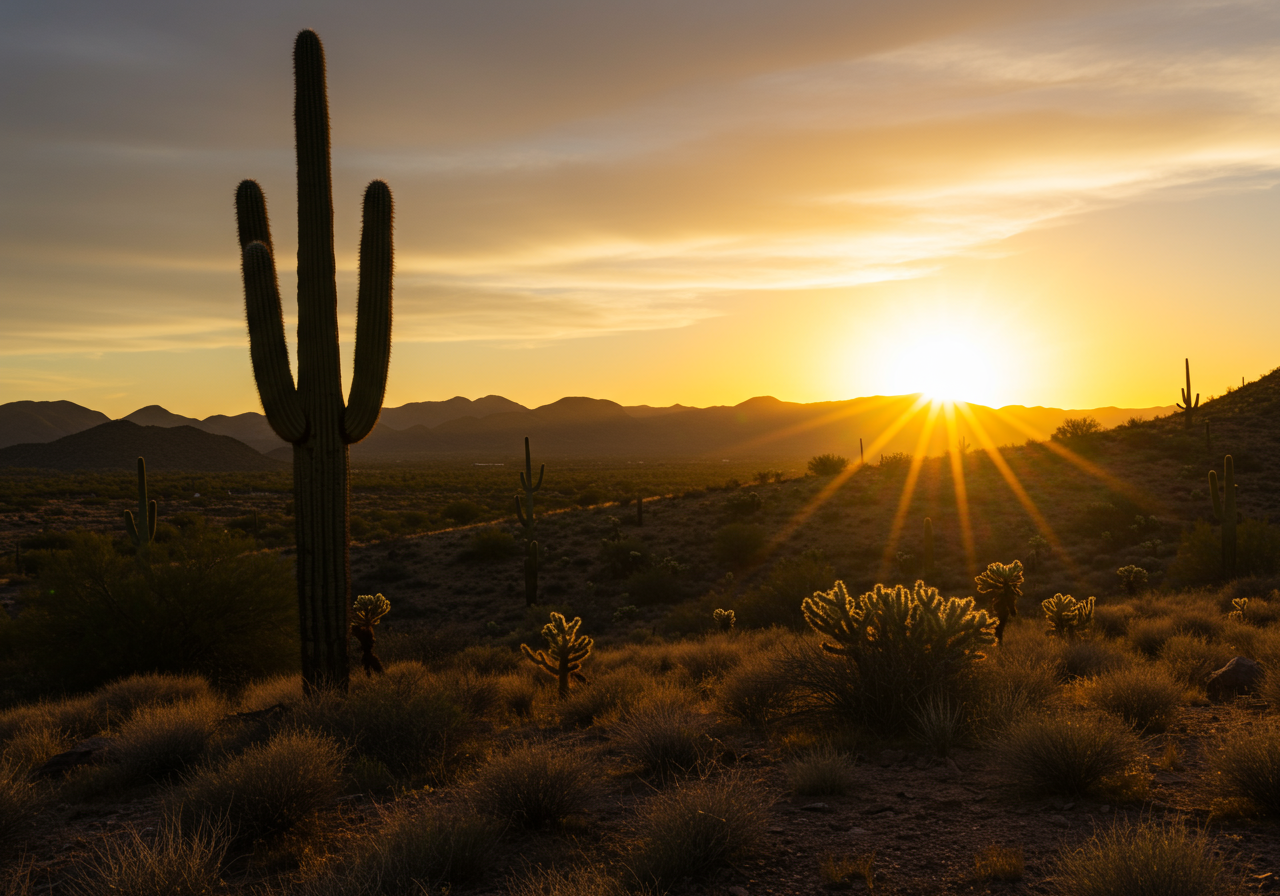
Beautiful, towering cacti and desert sunsets have long been the subject of many a cowboy song and doctor’s office waiting room art…but there is such a thing as too much of a good thing. When the desert landscape is all you see day in and day out, it lacks diversity.
The hot, baking desert sun beats down on the barren landscape of the Phoenix area, and all you can see for miles is more and more desert. There are places in Arizona where you can find mountains and evergreens, such as Flagstaff or Show Low, but not in Phoenix. Even the mountains in Phoenix aren’t really mountains, but are more like desert buttes.
Landscaping all over the valley is gravel and cactus filled; designed to be both low maintenance and need little to no irrigation. These can be pretty to see when you come to visit, but if you’re coming from a place with deciduous forests that shed their foliage in the fall and are born again with thousands of green buds in the springtime, you will surely miss that.
Learn More: Living in Flagstaff versus Show Low Arizona
Bottom line: you do have options. Flagstaff, Prescott, and the Rim Country towns are all within a 2-hour drive if you need a pine-tree fix without leaving the state.
3. The Hot Weather:
The third reason not to move to Phoenix is one you’re probably well aware of – the heat! The summer in Phoenix is hot. Really hot. Almost unbearably hot. As in, exceeding-120-degrees-Fahrenheit-hot.
Sidewalks and pavement get so hot animals (and even people) can’t walk on them. Asphalt starts to soften and cars sink in slightly where they were parked. If you don’t have a shaded place to park your car, the beating sun can destroy your dashboard and cause it to warp.
It’s not just hot, it’s an inferno fit for Dante’s Divine Comedy, and it’s anything but funny. With the lack of seasons, summer stretches well into the fall, meaning you’ll likely often still be trick or treating in shorts, or sweating while you carve the turkey in a too-hot kitchen full of relatives. There isn’t ever really a “cold” time in Phoenix, its summer, and the slightly-less-hot-not-summer.
Electric bills also spike during the summer, so be sure to account for that in annual budgeting. Residents who defend the weather will claim it’s a “dry” heat, in reference to the arid desert climate, but truthfully, that does little to mitigate its effects.
Pretty much the only other place in the world where one can experience an equally hot climate that would be a “wet” heat is in the Amazon Rainforest. Considering few of us will ever get the chance to even go there in our lifetime, let alone live there, I think we can put the “dry heat” thing to bed.
Bottom line: the heat is real and it’s not going anywhere, but roughly November through April is some of the best weather in the country, and most residents plan their outdoor time around it.
4. Phoenix’s Cost of Living and Housing Prices Going Up:
For years, the Phoenix Metro Area has been known for its affordable housing and cost of living. This is changing rapidly, however; and it’s not the “beautiful and cheap” place it once was.
The cost of the average home in the area is now running roughly $450,000–$460,000 as of 2026 — prices have actually leveled off (and even dipped slightly) compared to the sharp run-up a few years ago, but it’s still not exactly affordable for many Americans. The main cause for this inflation is a growing population and inflation. On average, two hundred people move to Phoenix every day.
The Phoenix Metro Area has been getting more and more populated every year, and when people come from all over, everything from homes to gas to grocery expenses go up. When the supply can’t meet the demand, the supply inflates.
It’s important to know going into it if you plan to move to Phoenix, that unless you’re coming from Los Angeles or New York City, it likely won’t be cheaper than where you currently are.
Learn More: The cost of living in Phoenix, Arizona
Bottom line: prices have cooled from the frantic run-up of a few years ago. Phoenix isn’t the bargain it was in 2015, but it’s also not the runaway market it was in 2022.
5. Creepy Crawlies:
Because of the temperate climate and rather wild nature of the desert, you’re going to encounter more critters in Phoenix than you probably would in the suburbs of Milwaukee.
Scorpions, snakes (venomous and otherwise), lizards, cockroaches, tarantulas, bats, and plenty more roam the neighborhoods of the Phoenix area. Coyotes are as common as dogs (but they are wild, hungry dogs that want to eat your pets.) It’s not at all uncommon to be walking at dusk and come upon an unsuspecting rattlesnake, causing him to coil and hiss in defense.
If you are squeamish about coming in contact with wildlife, Arizona is probably not the place for you. Most of the time, these animals just want to be left alone and have no interest in wreaking havoc on the city like a miniature Godzilla. Be aware, keep pets indoors or close to you, and remember; these creepy little friends were here first.

Bottom line: encounters are rarer than people assume, and simple habits (closing screen doors, checking shoes) handle 99% of it.
6. Pools and the Expense of Owning One:
Do you have to have a pool if you live in Phoenix? No. Does almost everyone want one and many people have them? Yes.
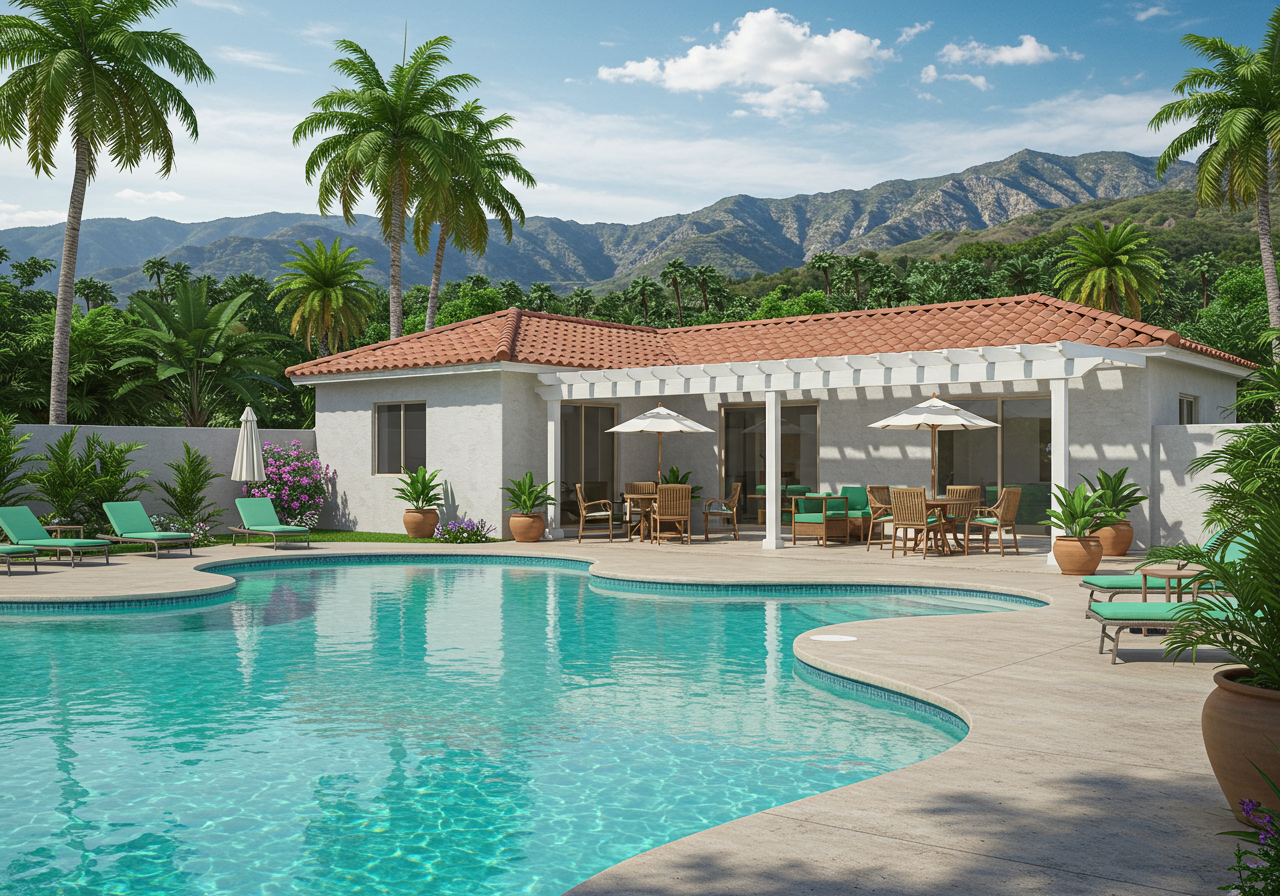
Even if you aren’t one to get in and take a dip yourself, the backyard/pool lifestyle is huge in Phoenix. Even if you don’t want one, the kids probably do. People invest a lot of money in their pools and decks in Arizona, because they spend a lot of time there.
If you want to buy a home that already has a pool, that adds to the expense of buying a home. If you want to buy with the option to later build one, it’s going to still be an expense later on.
Even once you’ve moved in and are using the pool, it’s a constant expense to keep it running smoothly, with maintenance issues, chemicals, testing and more. Sure, the kids love it, and so do all the neighbors that come over for pool parties and cookouts…but they aren’t footing that bill!
Bottom line: nobody’s required to have one. Plenty of happy homeowners skip it entirely and use community pools or lakes instead.
7. Neighborhoods and Communities, More of the Same:
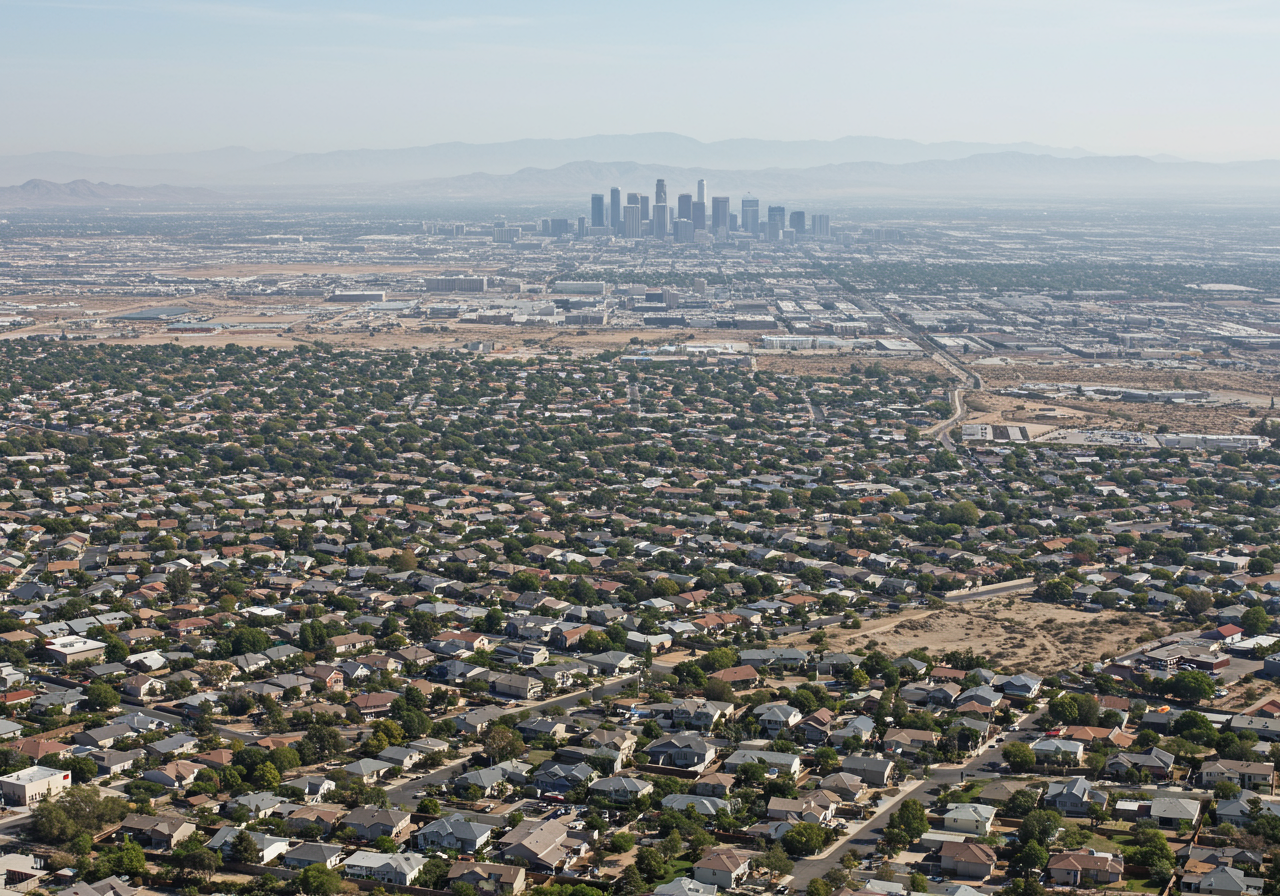
Whether you have visited the Phoenix valley or not, one thing is pretty clear as soon as you arrive. Everything looks just about the same. And this monotonous landscaping makes it number 7 on our list of 10 reasons NOT to move to Phoenix.
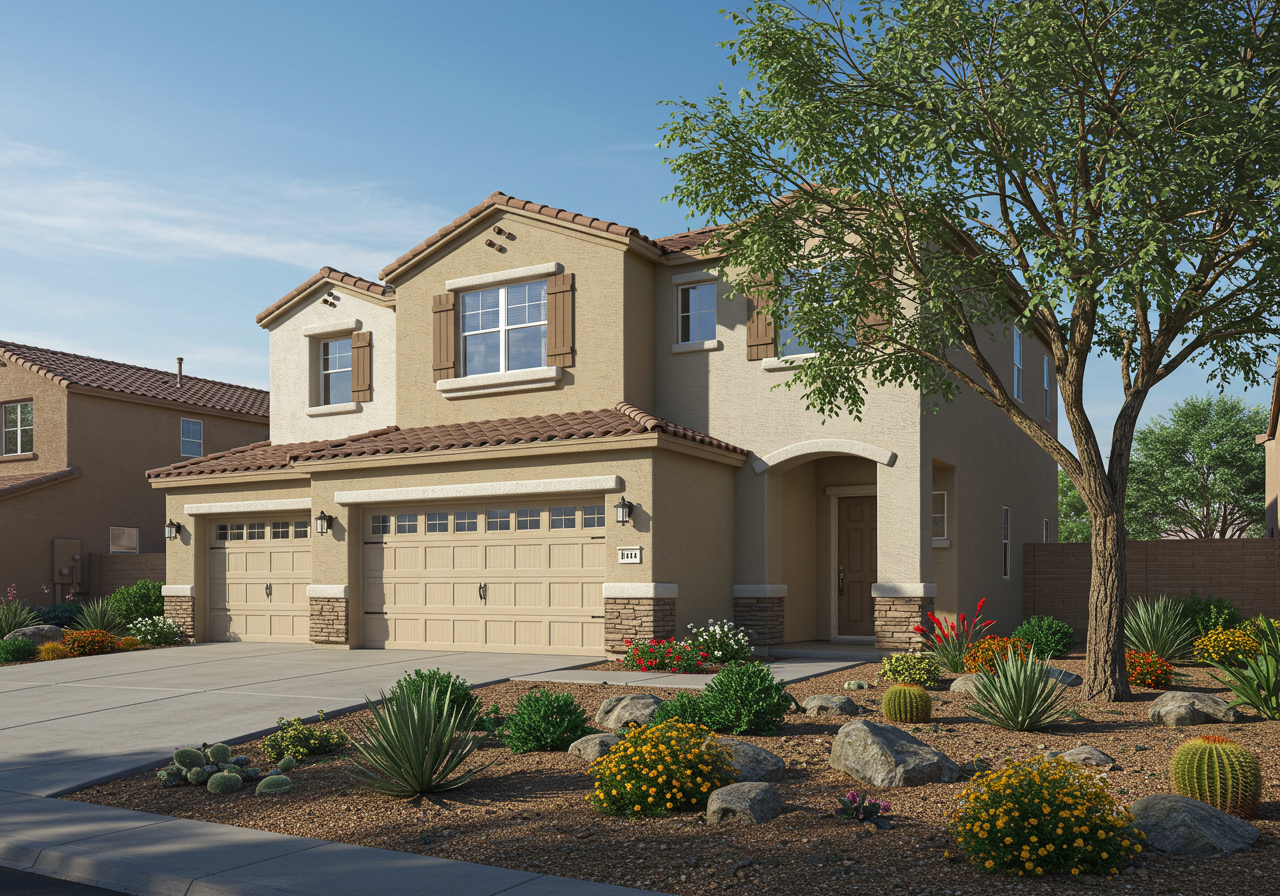
Every community or neighborhood has a ‘southwestern, mission style, terra cotta roof, adobe home’ kind of look. It might be one variation or another, but they really all look the same.
If you were blindfolded and dropped into a neighborhood anywhere in Phoenix, it would be extremely difficult to pinpoint where you are upon removing the blindfold based on your surroundings. Perhaps an exception to this theory would be older parts of town. The “cookie cutter” look really didn’t come about until the second half of the twentieth century, so there are still some unique gems to be found out there.
Learn More: The BEST Phoenix Neighborhoods to move to
Bottom line: this is truer of newer master-planned suburbs than it is of historic districts like Willo, Coronado, or downtown Chandler and Tempe, which all have real character.
8. Legal Marijuana:
This can be a polarizing topic, so we will just leave it at this. It might be something you support, therefore it isn’t a con at all. But if you are moving to Phoenix and don’t like the recreational use of marijuana, it’s going to be a lifestyle change for you.
You will see dispensaries and advertisements for marijuana delivery services. On occasion you will smell marijuana being smoked near you at a park or on the street. Though it’s legal to use, much like alcohol, you cannot drive while under the influence. This doesn’t mean it doesn’t happen, but it’s also not total bedlam on the streets of Phoenix just because marijuana has been legalized.
Bottom line: it’s regulated much like alcohol, visible if you look for it, easy to ignore if you don’t.
9. Monsoon Dust Storms (Haboobs):
From June through September, Phoenix sits in the path of the North American Monsoon, and one of its signature features is the haboob, a wall of dust that can stretch a mile high and reduce visibility to near zero in minutes. They roll in fast, occasionally knock out power, and coat everything from patio furniture to car interiors in a fine layer of dust. It’s dramatic to watch from a safe distance and genuinely disruptive if you’re caught driving in one.
Bottom line: they’re infrequent, well-forecasted, and mostly a summer-evening event, but if dust and sudden storms aren’t your thing, it’s worth knowing about before you move.
10. The Ongoing Water Supply Debate:
Arizona’s water supply is tied in part to the Colorado River, which has been under real strain. Reservoir levels have dropped and the seven states that share the river are still negotiating how cuts get divided once the current agreement expires. Phoenix itself draws from a diversified mix of sources, not just the Colorado River, and the city has some of the more forward-looking water-management planning in the Southwest, but it’s an honest, ongoing conversation any prospective resident should know is happening.
Bottom line: this isn’t a "the taps are running dry" situation, but it’s a real policy issue worth being informed about, not ignored.
So, Still Thinking About Moving to Phoenix?
Ten honest reasons in, and here’s the thing: none of them are dealbreakers for the hundreds of people who move here every day. If you want the flip side, the myths people get wrong about Phoenix and the reality behind them, read The Truth About Living in Phoenix, Arizona next.
Greg Corbett is the founder and lead content creator behind Living in Phoenix Arizona. He's lived in the Phoenix Metro area since 1993 and now calls the Arcadia neighborhood home with his wife and three kids.