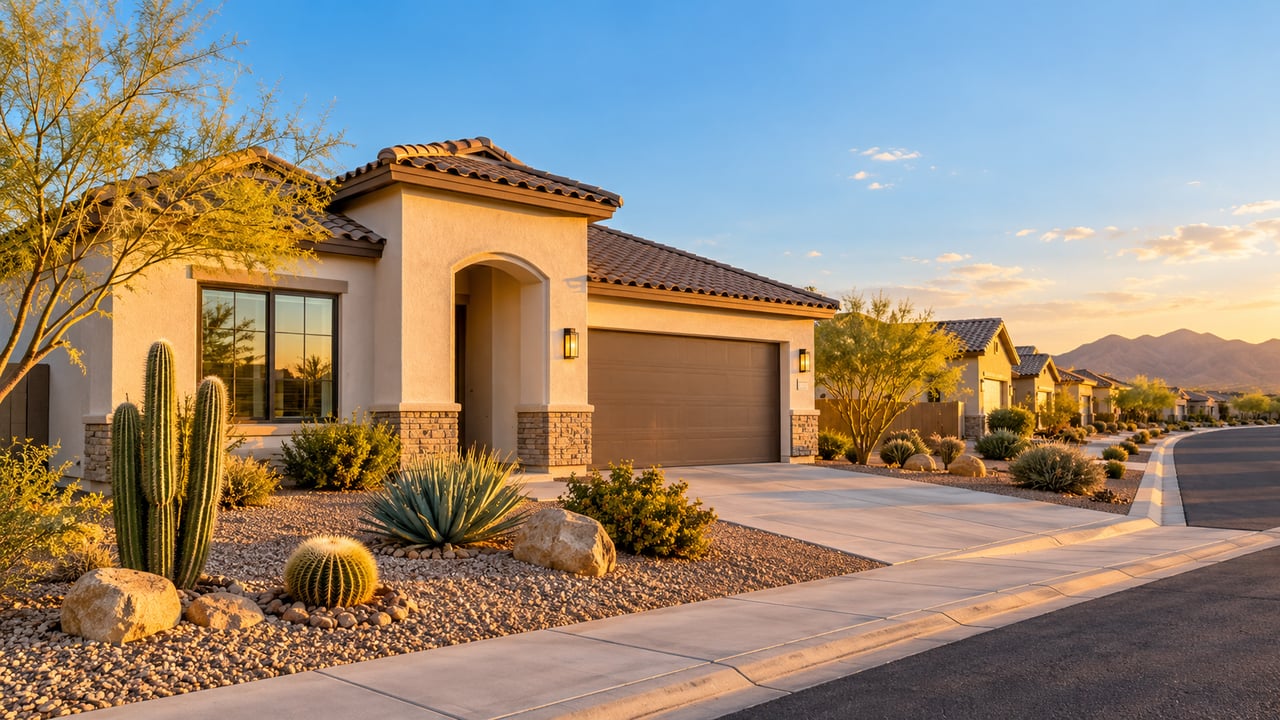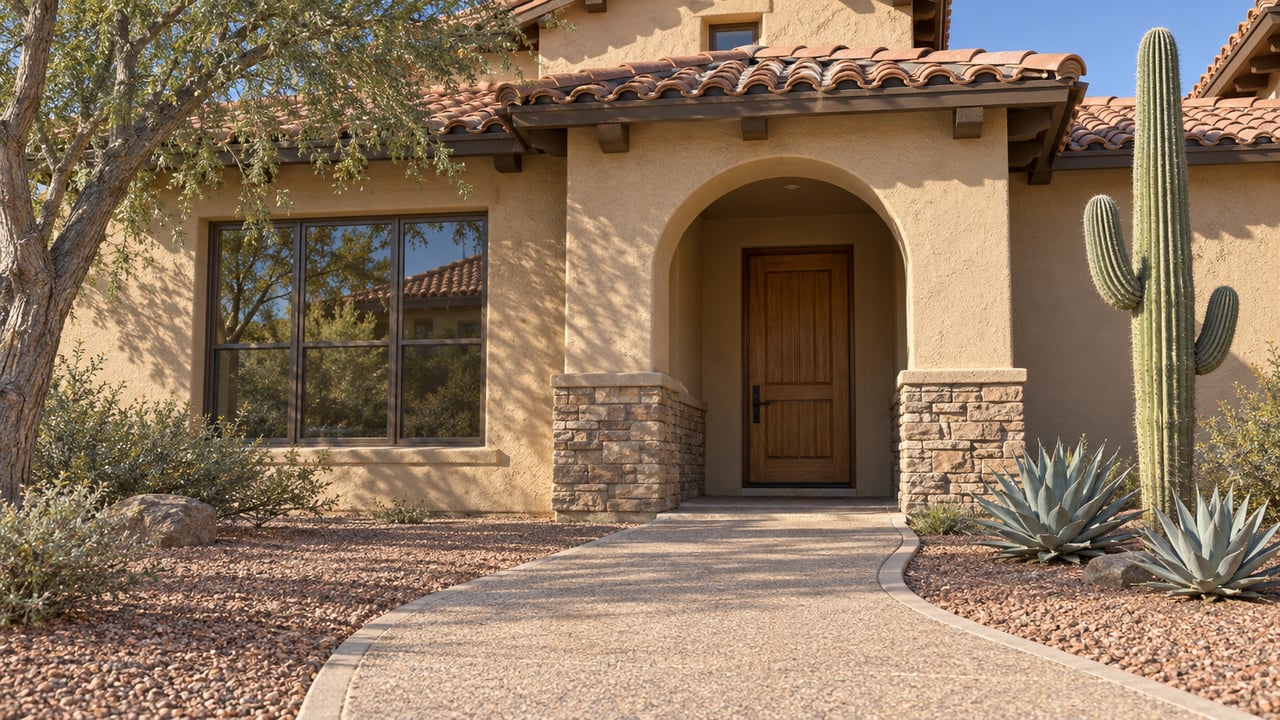
Updated September 2026: Phoenix is too large and varied for a credible list of “worst neighborhoods.” Conditions change by block, property, route and time of day, and labels based on income, housing age or who lives nearby are not useful home-buying analysis.
This updated guide replaces the old ranking with a property-specific checklist. Use it to identify issues that can affect your daily routine, ownership cost, resale options and future plans—without labeling an entire community as good or bad.
PHOENIX NEIGHBORHOOD DUE-DILIGENCE CHECKLIST
Check | What to verify | Why it matters |
|---|---|---|
Jurisdiction and parcel | City, urban village, zoning, lot dimensions and utilities | Mailing names do not always match legal boundaries or services |
Routine and commute | Real routes at realistic hours | A short distance can still create a difficult daily trip |
Surrounding land | Zoning, vacant parcels, active cases and road projects | Nearby uses and views can change |
Noise and activity | Freeways, airports, rail, events, schools and businesses | Conditions vary by time and exact location |
Site and systems | Drainage, roof, HVAC, plumbing, electrical and permits | Deferred work can change the true ownership cost |
Rules and expenses | HOA, insurance, utilities, rentals and maintenance | Monthly cost is more than the mortgage |
1. CONFIRM THE EXACT JURISDICTION AND PARCEL
Start with the legal facts, not a neighborhood nickname. Phoenix is divided into 15 urban villages for planning, but listing language and mailing addresses do not always tell you which city, school district, utility provider or regulations apply. Confirm the parcel number, city jurisdiction, recorded lot size, zoning, easements and service providers.
The City of Phoenix General Plan maps include land use, transit, streets, trails, historic properties, public facilities and airport-noise resources. Treat them as a starting point and verify current parcel information with the appropriate agency.

2. TEST THE COMMUTE AND WEEKLY ROUTINE
Drive from the property to work, Sky Harbor, health care, groceries, recreation and the places you use repeatedly. Test weekday morning and evening trips, not only a quiet weekend tour. Include parking, freeway access, event traffic and construction.
If walking, biking or transit matters, use the actual route. Look for sidewalks or paths, crossings, shade, lighting, traffic speed, transit frequency and the final connection to your destination. A citywide score cannot describe a block-level trip.
3. RESEARCH NEARBY LAND USE AND FUTURE DEVELOPMENT
Vacant land is not guaranteed to remain open, and a current view is not necessarily protected. Review the General Plan land-use map, zoning, active planning cases, road projects and nearby commercial or industrial parcels. Ask what is allowed today and what has already been proposed or approved.
Phoenix also has special planning districts, historic districts and regulatory overlays. The city’s overlay and regulatory-plan map can reveal additional rules or context.
4. LISTEN FOR NOISE AND OBSERVE ACTIVITY
Visit at several times: a normal weekday, evening and weekend. Listen for freeway or arterial traffic, aircraft, rail activity, schools, sports facilities, restaurants, loading areas, construction and neighborhood events. Stand inside the bedrooms and outdoor areas that matter with doors and windows both open and closed.
Phoenix’s official maps include Sky Harbor and Deer Valley airport noise and traffic-pattern resources. Those maps provide regional context, but your own visit is still necessary because walls, orientation, elevation and building materials affect what you hear.

5. CHECK DRAINAGE, WASHES AND FLOOD QUESTIONS
Desert rain can be intense and highly localized. Look for washes, low points, staining, erosion, negative grading, retaining walls, roof drainage and water paths from neighboring lots. Ask about prior water entry and drainage work.
The City of Phoenix Floodplain Management page links to official resources, including Maricopa County floodplain maps. A property outside a mapped flood zone can still have local drainage problems, so combine mapping with inspection and insurance research.
6. INSPECT THE HOME’S MAJOR SYSTEMS
Older does not automatically mean deficient, and newer does not automatically mean trouble-free. Evaluate roof, HVAC, electrical service, plumbing, sewer or septic, windows, insulation, pool equipment, irrigation, solar and additions. Ask specialists to estimate remaining life and likely capital expenses.
Compare the finished home with approved work. Phoenix provides an official permit-information search, but records and jurisdiction can vary. Confirm which agency holds the relevant files.
7. EVALUATE SUN, HEAT AND OUTDOOR USABILITY
Orientation changes the experience of a Phoenix property. Note afternoon sun on windows, patios, pools and garages; shade from structures and mature landscaping; roof exposure; outdoor surface temperatures; and the condition of trees and irrigation. Review summer utility history when available.
For a mountain, desert or city view, stand in every important room and outdoor area. Research neighboring parcels, vegetation and development potential. A view should be evaluated as a property feature, not assumed from a neighborhood name.

8. VERIFY UTILITIES AND SERVICE ARRANGEMENTS
Confirm water provider, sewer or septic, electricity, gas, trash, internet, fire service, street maintenance and any private-road obligations. Service boundaries do not always follow familiar neighborhood names. For a larger or less urban lot, investigate wells, septic capacity, propane, access and maintenance agreements where applicable.
9. READ THE HOA DOCUMENTS AND FINANCIALS
Some Phoenix properties have no HOA; others have a master association, sub-association or condo association. Review declarations, rules, budgets, reserves, master insurance, assessment history, litigation, meeting minutes, rental restrictions, parking, pets and architectural requirements. Verify dues and what they cover.
No HOA does not mean no restrictions. Recorded easements, deed restrictions, zoning and city codes may still govern a property.
10. CHECK RENTAL, EVENT AND VISITOR ACTIVITY
Short-term rentals, nearby entertainment, stadiums, schools, trailheads and recurring events can change parking, lighting, traffic or noise. Visit during a relevant period and review current city and HOA rules. Rules can change, and enforcement is not the same as a guarantee that an issue will never occur.
11. RESEARCH SCHOOLS WITHOUT RELYING ON RANKINGS
If schools are relevant, verify the assigned district and school directly because boundaries and programs can change. Review official programs, enrollment, transportation and services relevant to the student. A third-party score does not describe every educational experience and should not be used as a proxy for a neighborhood or its residents.
12. USE SAFETY DATA CAREFULLY
A responsible agent should not declare a neighborhood “safe” or “unsafe” for a buyer. Public incident data has limits, reporting methods change and a large planning area can contain very different blocks and property types. Identify the specific concern, review recent information for the exact location and time period, and make your own decision.
The Phoenix Police Department publishes crime maps and statistics with methodology notes and disclaimers. Compare like categories and time periods, ask questions of the appropriate public agency, and avoid treating a data point as a judgment about the people who live nearby.

FREQUENTLY ASKED QUESTIONS
WHAT ARE THE WORST NEIGHBORHOODS IN PHOENIX?
There is no objective list that works for every buyer. “Worst” often mixes personal preferences with outdated statistics or demographic assumptions. Compare exact properties using commute, condition, land use, noise, drainage, rules and total cost instead.
HOW MANY TIMES SHOULD I VISIT BEFORE BUYING?
Visit at least during the routines and conditions that matter to you: weekday commute, evening, weekend and any event or seasonal period likely to affect the location. More complex sites may require additional visits and specialists.
HOW DO I CHECK WHAT MAY BE BUILT NEARBY?
Review the current zoning, General Plan land use, active planning cases, permits and road projects for surrounding parcels. Then confirm status directly with the city because a map or proposal can change.
SHOULD I CHOOSE A NEIGHBORHOOD BEFORE A PROPERTY?
Use neighborhood research to create a shortlist, then evaluate every property independently. Two homes a few blocks apart can have different traffic, drainage, utilities, school assignments, HOA rules and renovation histories.
BUILD A PHOENIX SHORTLIST
Use the Phoenix neighborhoods guide for an area overview, compare the cost of living in Phoenix, and keep the moving-to-Phoenix checklist handy. If you are also considering Scottsdale, read the Scottsdale area guide.
If you share your commute, home style, lot, views, maintenance preferences and all-in budget, I can help you build a focused Phoenix-area search and identify property-specific questions. Start with the relocation page.
Sources reviewed: City of Phoenix General Plan 2025 maps, regulatory-plan resources, Floodplain Management, permit search and Phoenix Police crime-data resources. Zoning, projects, rules, service areas, school assignments and property conditions can change; verify current information for the specific address.