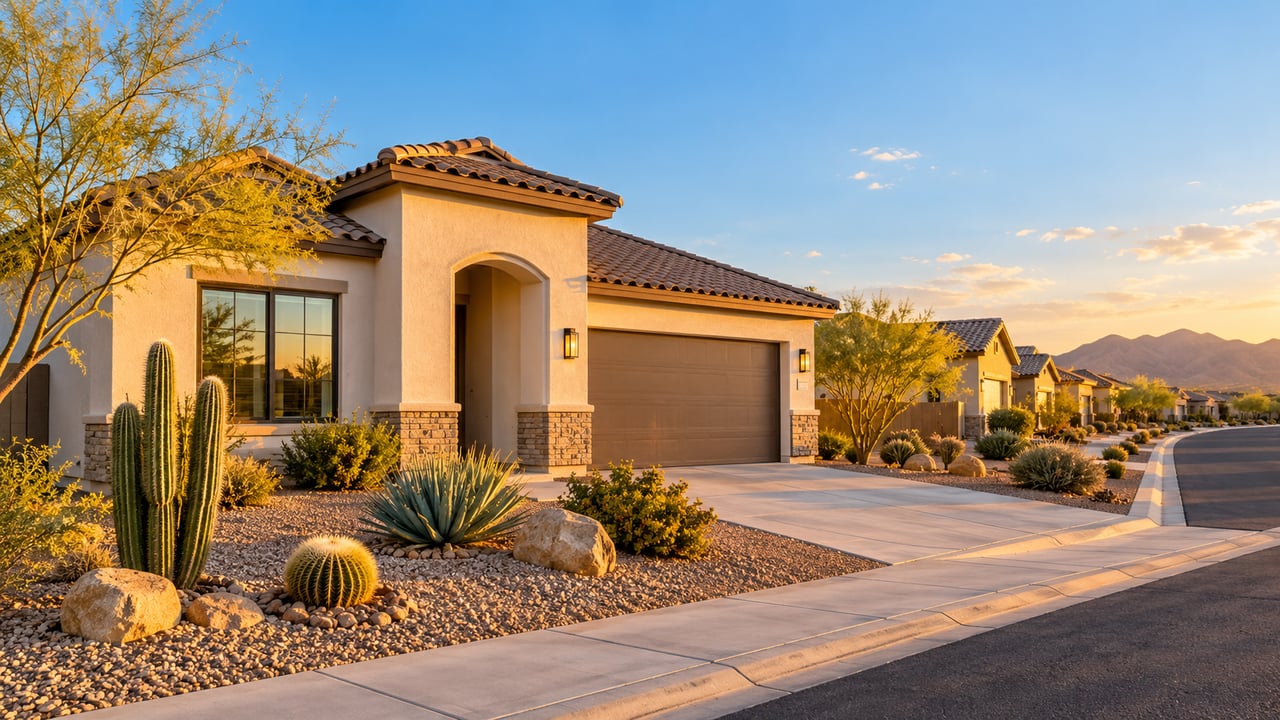
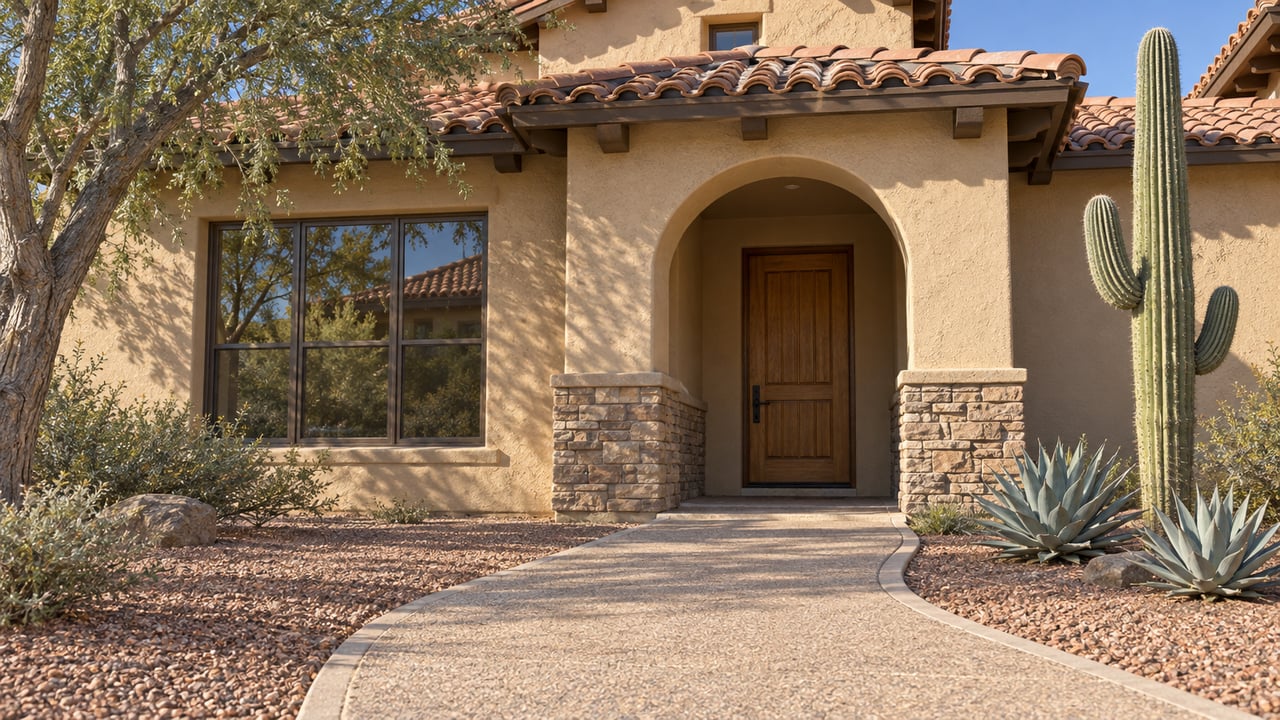
Updated September 2026: Glendale is a geographically varied West Valley city with established central neighborhoods, historic districts, north-Glendale communities near Arrowhead, and newer development around the sports and entertainment district and farther west. The right location depends on your commute, preferred housing age and style, event-traffic tolerance, and access to the places you use most.
A Glendale mailing address does not always tell you everything about the municipality, school district, or utility provider. Compare exact parcels and service areas rather than treating the entire city as one uniform market.
Living in Glendale: the quick answer
Glendale can give buyers access to a broad range of home types and West Valley locations. Central Glendale offers established housing and historic areas; north Glendale includes communities around Arrowhead and foothill access; west Glendale places buyers closer to major sports, entertainment, and ongoing development.
Before choosing a home, test the real commute, review event-day conditions when relevant, verify the city and utility jurisdiction, inspect according to the home’s age, and calculate the full monthly ownership cost.

Glendale areas to compare
Area | Housing and setting | What to verify |
|---|---|---|
Historic Downtown and central Glendale | Older homes, historic districts, established streets, civic and local-business access | Property systems, permits, historic rules where applicable, street traffic, and redevelopment |
North Glendale and Arrowhead area | Established subdivisions, golf-area homes, townhomes, shopping and service access | Exact city boundary, HOA, commute, school district if relevant, and freeway noise |
Westgate and Loop 101 area | Newer subdivisions, townhomes, apartments, sports and entertainment access | Event traffic, parking, noise, HOA restrictions, and nearby commercial development |
Northwest and far-west growth areas | Newer construction, developing communities, larger planned areas | Builder costs, utilities, road projects, construction activity, and distance to services |
What to know before moving to Glendale
1. Location inside Glendale changes the commute
Glendale connects to the region through routes including Loop 101, Grand Avenue/US 60, Northern Avenue and Northern Parkway, with Loop 303 serving the broader western growth area. A home near Arrowhead, Downtown Glendale, or Westgate can create very different travel patterns.
Test your normal trip from each property during realistic traffic. Add airport, health-care, grocery, and weekend destinations to the comparison. If the property is near a major venue, drive the area during an event as well as on an ordinary day.
The City of Glendale’s current capital planning describes investments in roads, transportation, water, wastewater, stormwater, parks, and public facilities. The city’s FY 2026–27 budget and capital plan provide context, but project timing and scope should be confirmed directly.
2. Established and newer homes require different due diligence
Central Glendale contains many older homes where condition, renovation quality, and permit history may be more important than surface finishes. Review the roof, HVAC, electrical panel, plumbing, sewer line, windows, additions, pool, drainage, and any evidence of prior work.
Newer construction and developing communities may offer current layouts and builder warranties, but buyers should compare base price with finished cost. Include lot premiums, structural options, design selections, appliances, window coverings, landscaping, and post-closing projects.
Across both resale and new construction, review HOA budgets, reserves, insurance, parking, rental rules, exterior standards, amenity access, and any pending assessments.

3. Sports and entertainment are a benefit and a planning factor
The Westgate area includes State Farm Stadium, Desert Diamond Arena, restaurants, shopping, hotels, and event activity. Nearby access can be convenient for buyers who use those destinations, while major games, concerts, and special events may change traffic, parking, and noise conditions.
Visit a candidate property during a large event, note road closures or traffic controls, and determine whether your normal routes are affected. For a condo, townhome, or community near the district, review guest parking and HOA rules carefully.
4. Utilities and jurisdiction must be checked by address
Glendale’s boundary and neighboring mailing areas can create confusion. Verify whether the parcel is actually inside the City of Glendale, then confirm water, wastewater or septic, electricity, gas, trash, internet, and emergency-service responsibility.
The city provides water, wastewater, stormwater, solid-waste, and transportation services within applicable areas. Use the City of Glendale’s resident services directory as a starting point, then confirm the actual provider and rates for the property. Ask for available summer utility history.
5. Development and nearby land deserve research
West and northwest Glendale continue to change. An open parcel, current view, or low-traffic road may not remain the same as development proceeds. Public planning information can show city boundaries, zoning, general-plan designations, historic districts, and special planning areas.
Use Glendale’s official GIS maps and planning and zoning resources to identify the parcel and relevant plans. A land-use designation or application is context, not a promise of final design or construction timing.

6. Parks and recreation vary across the city
Glendale maintains neighborhood and regional parks, trails, recreation centers, aquatics, and other facilities. The city’s amenities directory and park resources can help you compare official locations and services.
Proximity on a map does not always mean a comfortable walking or biking route. Check crossings, shade, trail connections, parking, hours, and seasonal conditions from the specific home.

How to compare Glendale homes
- Commute: Test normal routes and event-day alternatives at realistic times.
- Jurisdiction: Confirm municipality, utility providers, school district if relevant, and emergency services.
- Property condition: Match inspections to the home’s age, systems, additions, pool, and renovation history.
- Total ownership cost: Include taxes, insurance, HOA dues, utilities, pool or landscape care, and repairs.
- Nearby activity: Review venues, arterial roads, commercial uses, construction, and event impacts.
- Future context: Check official maps and planning cases without assuming proposals are guaranteed.
Frequently asked questions about living in Glendale
Is Glendale part of Phoenix?
Glendale is a separate city within the Phoenix metropolitan area and is commonly considered part of the West Valley. Its neighborhoods connect to Phoenix and other West Valley cities through several major corridors.
What types of homes are available in Glendale?
Buyers can find historic and older single-family homes, established subdivisions, townhomes, condos, golf-area properties, newer communities, and new construction. The mix varies by location.
Which part of Glendale is closest to sports and entertainment?
The Westgate and Loop 101 area provides the most direct access to State Farm Stadium, Desert Diamond Arena, and surrounding businesses. Event traffic should be tested from each property.
How do I know whether a property is actually in Glendale?
Check the parcel in the city’s official GIS and confirm with the appropriate jurisdiction. A postal address can use “Glendale” even when services or municipal jurisdiction differ.
Does Glendale have public transportation?
Glendale participates in regional public transportation and offers local transit services, including fixed-route and specialized programs. Routes and schedules change, so confirm the nearest stop and current service for the address.
How should I research schools in Glendale?
Multiple districts serve the broader Glendale area, and boundaries do not necessarily match city limits. Confirm the assigned district and school directly, then review official programs, enrollment, transportation, and other needs relevant to the student.
What should I inspect in an older Glendale home?
In addition to a complete professional inspection, consider roof, HVAC, electrical, plumbing, sewer, windows, pool, drainage, additions, and permit history. Add specialist evaluations when the property warrants them.
Plan your Glendale relocation
If Glendale is on your shortlist, I can help you compare central, north, and west-side options based on commute, home style, event access, amenities, and ownership cost. Explore the Phoenix-area city guide, the moving-to-Phoenix checklist, the Phoenix cost-of-living guide, or the relocation page.
Sources reviewed: City of Glendale resident services, planning and zoning resources, GIS maps, and FY 2026–27 budget and capital-plan materials. Routes, projects, service areas, rules, fees, and venue schedules can change; verify current details with the appropriate city department, provider, HOA, or property professional.