Updated September 2026: Queen Creek is a fast-growing community in the southeast Valley with a mix of newer master-planned neighborhoods, established homes, larger lots, equestrian properties, and ongoing commercial and road development. For most buyers, the key decision is whether the home options and extra space justify the commute and changing infrastructure.
This guide focuses on the practical questions to answer before moving: where the property sits, how long your normal trips take, what utilities serve the address, what development is planned nearby, and what the home will cost to own and maintain.
Living in Queen Creek: the quick answer
Queen Creek may appeal to buyers who prioritize newer homes, community amenities, larger-lot possibilities, or access to the southeast Valley. It may be less convenient for someone who must travel frequently to central Phoenix, north Scottsdale, or other distant employment centers. The town is still evolving, so current roadwork and future development deserve as much attention as the house itself.
Do not rely on a single drive-time estimate or a general statement about Queen Creek. Test each address during your actual travel hours, confirm all service providers, and review nearby projects before making a decision.
Where is Queen Creek?
Queen Creek sits in the southeast portion of the Phoenix metropolitan area, beyond much of Chandler and Gilbert. Depending on the exact property, daily routes may involve Ellsworth Road, Rittenhouse Road, Queen Creek Road, Ocotillo Road, Hunt Highway, or connections toward Loop 202 and State Route 24.
The mailing address alone can be confusing in this part of the Valley because nearby communities and unincorporated areas may use similar place names. Confirm the municipality, county, school district if relevant, water provider, wastewater or septic arrangement, and emergency-service jurisdiction for the exact parcel.
What to know before moving to Queen Creek
1. Housing options vary by location and community
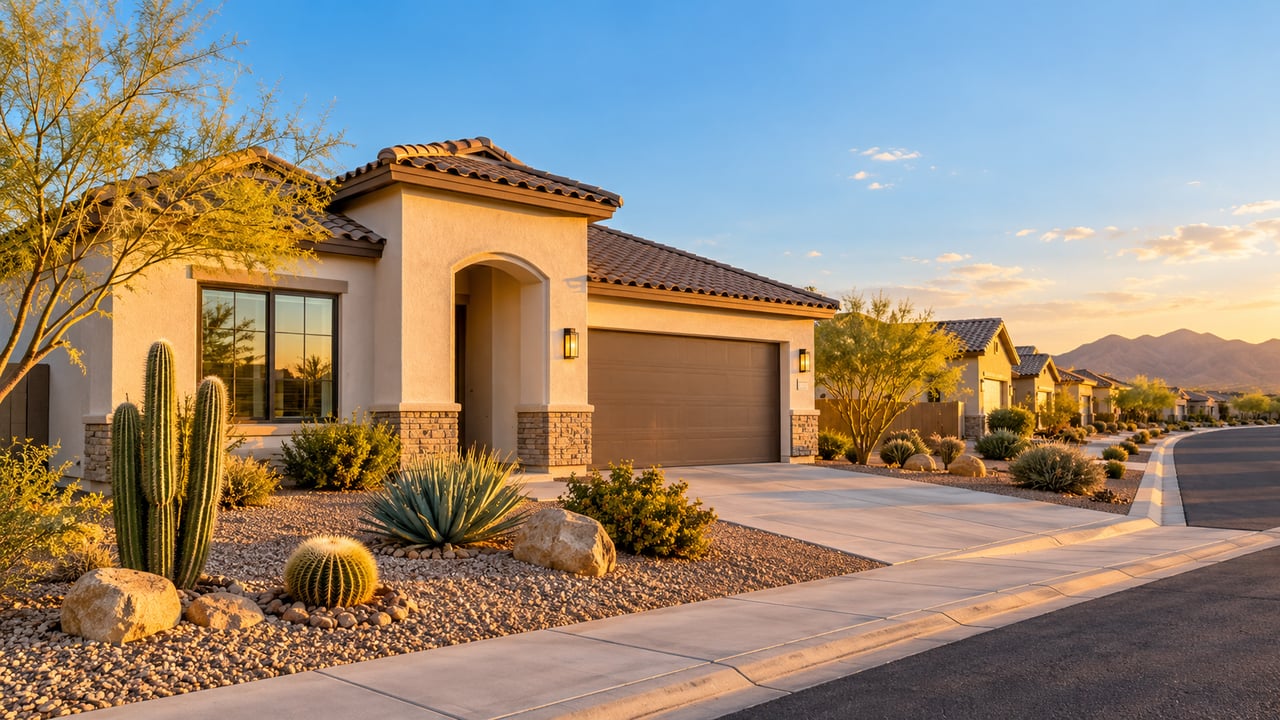
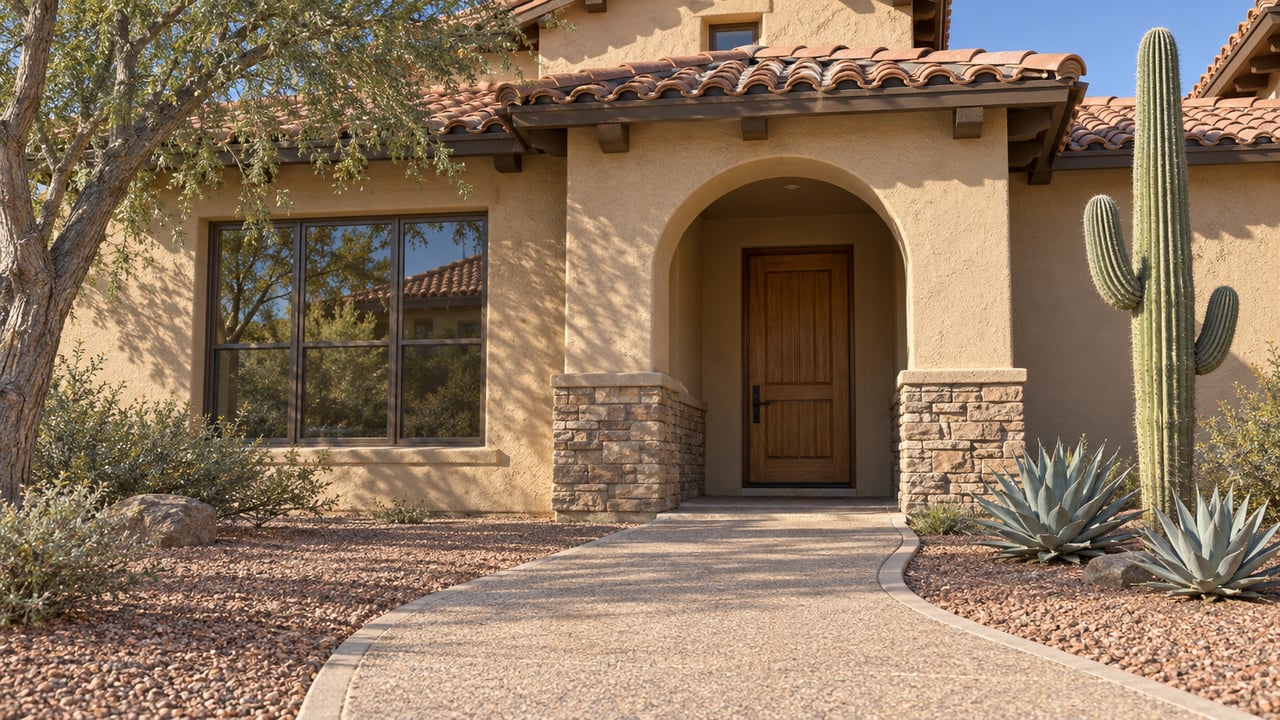
Queen Creek includes newer subdivisions, master-planned communities, established neighborhoods, properties with larger lots, and selected equestrian or semi-rural settings. New construction can offer current layouts and builder warranties, while resale homes may have completed landscaping, mature trees, pools, window treatments, or other improvements already in place.
For new construction, compare the advertised base price with the realistic finished cost. Lot premiums, structural options, design-center selections, window coverings, backyard work, appliances, and post-closing projects can change the budget substantially. Ask who represents your interests before visiting a sales office, and review all builder documents carefully.
For resale homes, pay particular attention to HVAC age, roof condition, exterior exposure, pool equipment, irrigation, drainage, and any additions or conversions. If a property has acreage, horses, a private well, septic system, or irrigation rights, add the appropriate specialist inspections and document review.
2. Your commute should be tested from the exact address
Distance on a map does not tell the full story. Queen Creek’s growth can create changing traffic patterns, and road construction may temporarily affect familiar routes. Drive the trip during the hours you expect to travel and include school or childcare stops if relevant to your household, airport trips, medical care, and frequent weekend destinations.
The Town of Queen Creek’s Transportation Master Plan, approved in November 2025, is a useful source for the community’s long-term transportation framework. A plan is context—not a guarantee of construction timing—so check the status of any project that matters to your decision.
3. Utilities and infrastructure are address-specific
Do not assume two nearby homes have the same utility arrangement. Depending on location, service may involve the Town of Queen Creek or another provider, and some properties may use septic systems rather than municipal sewer. Review the town’s utility information, then verify water, wastewater, electricity, gas, trash, internet, and irrigation directly for the property.
Ask for available utility history and budget for desert-specific ownership costs such as summer electricity, landscape maintenance, pest control, pool care, and irrigation repairs. A newer home can still have substantial monthly costs once HOA dues and exterior maintenance are included.
4. Growth is part of everyday life
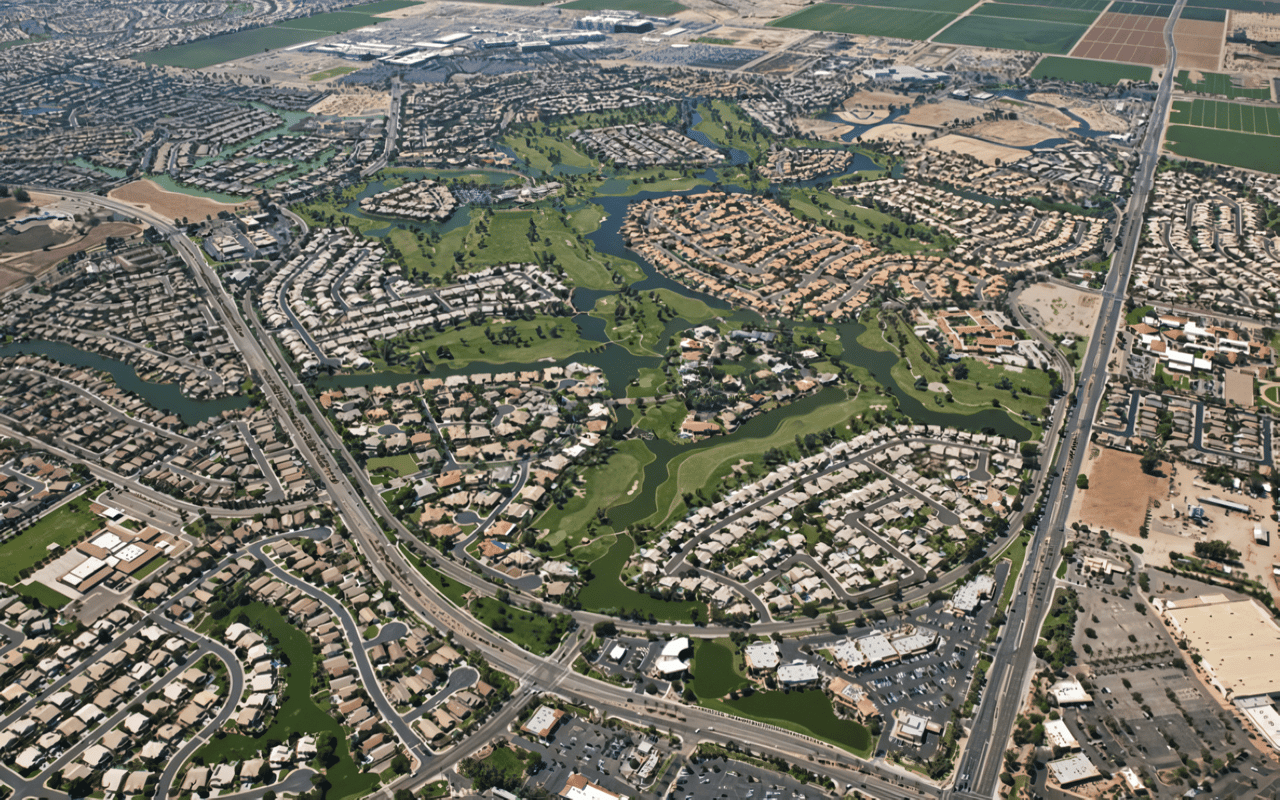
Queen Creek continues to add housing, retail, services, employment space, parks, and transportation improvements. That growth can expand local conveniences, but it can also mean construction traffic, changing views, and undeveloped parcels that may not remain open.
The town’s Development Nexus and economic-development resources provide official context about projects and planning. When a nearby parcel matters to you, identify the parcel and current entitlement status rather than relying on a sales description or rumor.
5. Parks, trails, and local destinations add convenience
Queen Creek has town parks, recreation facilities, trails, and community programming. Use the town’s official parks page to compare locations and amenities with the homes you are considering.
Local destinations such as Schnepf Farms and the Queen Creek Olive Mill contribute to the area’s identity. Restaurants, shopping, health care, and daily services continue to evolve, but your practical experience will depend on proximity and traffic. Map the places you expect to use every week.

Queen Creek home-buying checklist
- Confirm jurisdiction: Town, county, school district if relevant, and emergency services.
- Verify utilities: Water, wastewater or septic, electricity, gas, trash, internet, and any irrigation service.
- Test transportation: Drive normal routes at realistic times and review current road projects.
- Calculate full ownership cost: Mortgage, taxes, insurance, HOA dues, utilities, pool or landscape care, and repairs.
- Review development: Check nearby parcels and public plans without assuming proposed projects are final.
- Inspect for desert conditions: HVAC, roof, windows, drainage, sun exposure, pool equipment, and irrigation.
- Compare community rules: HOA documents, parking, rental restrictions, design standards, and amenity fees.
How Queen Creek compares with nearby East Valley cities
Queen Creek often enters the same search as Gilbert, Chandler, Mesa, and San Tan Valley, but the better fit depends on the address and your priorities.
Priority | What to compare |
|---|---|
Commute | Actual travel time to work, airport, health care, and frequent destinations |
Housing | New construction versus resale, lot size, HOA structure, and finished cost |
Setting | Master-planned amenities, established landscaping, mountain views, or larger-lot options |
Convenience | Distance to groceries, dining, parks, services, and entertainment |
Growth | Road projects, nearby construction, and long-range land-use context |
Explore our East Valley guide library, Gilbert cost-of-living guide, Chandler cost-of-living guide, and Phoenix-area city overview for more context.
Frequently asked questions about living in Queen Creek
Is Queen Creek part of Phoenix?
Queen Creek is a separate municipality within the Phoenix metropolitan area. Its southeast Valley location can provide access to nearby communities, but travel time to central Phoenix varies considerably by address and traffic.
Is Queen Creek only new construction?
No. The area includes both new construction and resale homes, along with established neighborhoods and selected larger-lot or equestrian properties. The mix changes across the town and nearby areas.
How far is Queen Creek from the airport?
The answer depends on which airport and the exact property. Phoenix-Mesa Gateway Airport may be convenient from many Queen Creek locations, while trips to Phoenix Sky Harbor require a longer drive. Test both routes if air travel is important.
Does Queen Creek have HOA communities?
Many subdivisions have homeowners associations, but rules, fees, and amenities vary. Review the full HOA package, budget, insurance information, and restrictions before the inspection and document-review deadlines.
Are all Queen Creek homes on municipal sewer?
No. Utility and wastewater arrangements can vary, particularly when comparing newer subdivisions with larger-lot or outlying properties. Verify the exact system and maintenance responsibility for each property.
How do I research schools without relying on rankings?
Confirm the assigned district and school directly with the district because boundaries and programs can change. Review official program information, enrollment procedures, transportation, and any factors relevant to your household. A rating alone does not describe every student’s needs or experience.
What is the biggest tradeoff when moving to Queen Creek?
For many buyers, it is the balance between the home or lot they can find and the time required to reach other parts of the Valley. That tradeoff should be measured from the exact address.
Plan your Queen Creek move
If Queen Creek is on your shortlist, I can help you compare new construction and resale options, verify the questions that matter for each property, and tour it alongside nearby East Valley alternatives. Visit the Phoenix relocation page or contact Living in Phoenix Arizona to start a focused search.
Sources reviewed: Town of Queen Creek utilities, parks, Transportation Master Plan, Development Nexus, and economic-development resources. Plans, fees, service areas, projects, and business information can change; verify current details with the appropriate agency or provider.