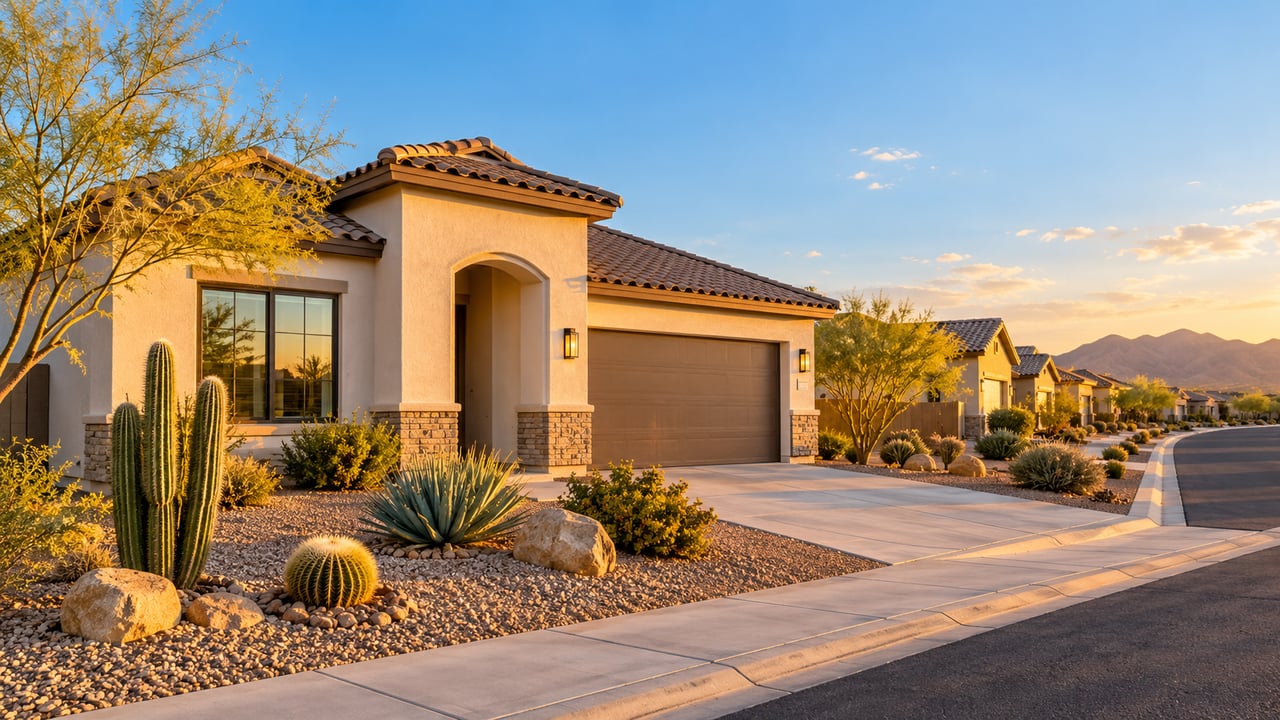
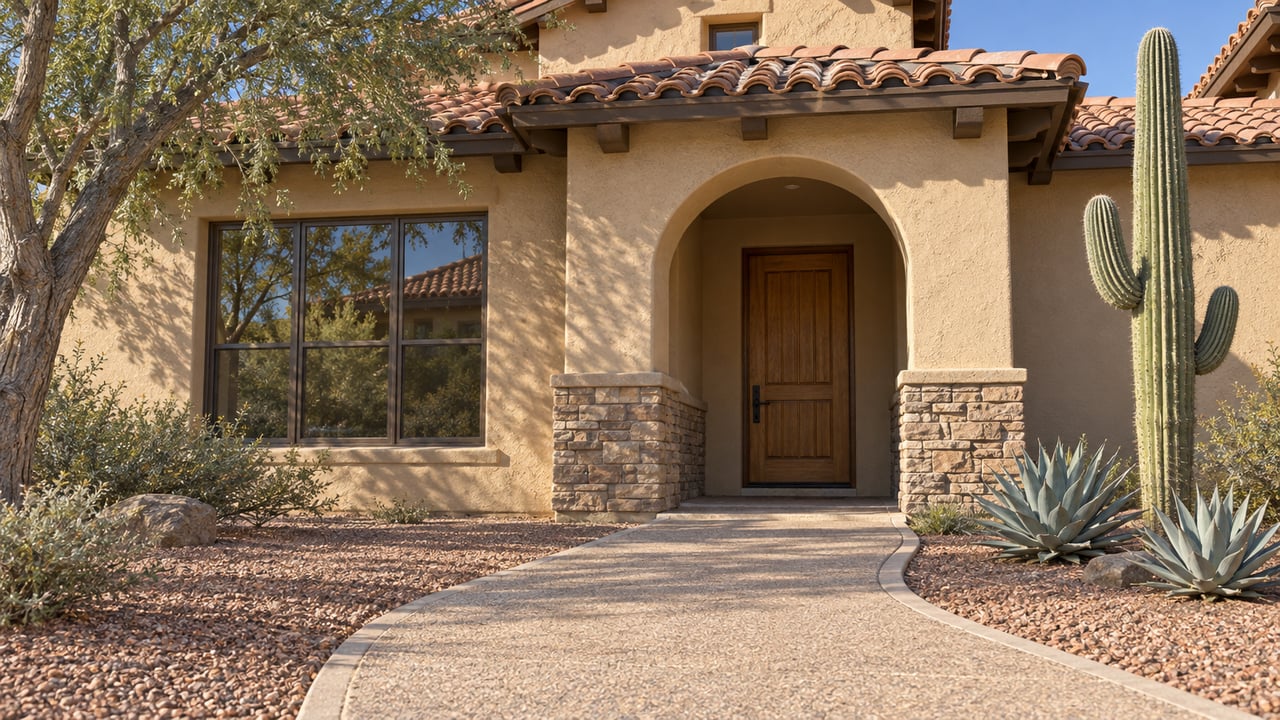
Updated September 2026: Mesa is one of the largest and most varied cities in the Phoenix metro area. The right part of Mesa for you depends less on a single citywide ranking and more on your commute, preferred home style, lot size, outdoor access, and monthly ownership costs.
If you are planning a move, start by comparing specific areas rather than treating Mesa as one uniform market. West Mesa, Downtown Mesa, the Red Mountain area, Las Sendas, The Groves, and newer southeast Mesa communities can feel very different from one another.
Moving to Mesa: the quick answer
Mesa can be a practical choice for buyers who want more geographic and housing variety than a smaller suburb can offer. You can find established neighborhoods, condos and townhomes, larger custom lots, golf communities, and newer master-planned development within the same city. The tradeoff is that location matters enormously: a home in west Mesa may offer a very different commute and daily routine than one near Eastmark or Usery Mountain.
Before you choose a home, compare the exact address for commute time, utility providers, HOA costs, property condition, and access to the places you use most often.

Five things to know before moving to Mesa, Arizona
1. Mesa is large, so compare areas first
Mesa stretches across a broad section of the East Valley. That scale creates choice, but it also makes citywide generalizations less useful. A buyer focused on access to Tempe or central Phoenix may begin in west Mesa, while someone prioritizing newer construction or the southeast Valley may look closer to Eastmark and the Gateway area. Buyers who want mountain views, desert access, or golf-community options often explore northeast Mesa.
Area to compare | What you may find | What to verify |
|---|---|---|
West Mesa and Dobson area | Established homes, condos, townhomes, and access toward Tempe | Condition, renovation history, commute route, and any HOA |
Central and Downtown Mesa | Older housing stock, local businesses, cultural venues, and light-rail access in portions of the area | Block-by-block fit, parking, transit access, and future plans |
Northeast Mesa and Red Mountain | Desert-edge settings, golf communities, larger homes, and mountain access | Drive times, HOA structure, wildfire awareness, and desert maintenance |
Southeast Mesa and Eastmark | Newer construction and master-planned communities | Builder details, lot premiums, HOA fees, and ongoing development |
The Groves and larger-lot pockets | Established homes, mature landscaping, and selected larger lots | Irrigation, tree care, property condition, and exact lot features |
The City of Mesa’s long-range planning resources are useful when you want to understand growth areas, transportation plans, and adopted sub-area plans. They do not predict what will happen to a particular property, but they provide better context than a broad “best neighborhood” list.
2. Housing variety comes with address-specific costs
Mesa’s housing includes older ranch-style homes, patio homes, condos, townhomes, custom properties, golf-community homes, and newer master-planned construction. Rather than relying on a citywide price claim that can become outdated quickly, build a complete budget for the specific properties you are considering.
- Mortgage principal and interest
- Property taxes and homeowners insurance
- HOA dues and any community fees
- Electricity, water, gas, trash, and internet
- Pool service, landscaping, pest control, and irrigation
- Expected repairs for the roof, HVAC system, windows, plumbing, and appliances
Mesa provides several municipal utility services, including electricity or natural gas in applicable service areas, water, wastewater, trash, and recycling. Service providers and rates can vary by address, so use the City of Mesa’s utility information and confirm every provider before making an offer.

3. Test your real commute, not a map estimate
Mesa is connected by US 60, Loop 101, and Loop 202, but drive time changes with the starting point, destination, and time of day. Parts of west and central Mesa also have access to light rail and bus service. If you work in Phoenix, Scottsdale, Tempe, Chandler, or near Sky Harbor, test the route during the hours you will actually travel.
A practical comparison should include school or childcare trips if relevant to your household, medical appointments, airport access, grocery runs, and weekend destinations—not only the work commute. If public transportation matters, confirm the nearest stop, schedule, and walking route from the exact address.
The city’s Transportation Master Plan provides useful context about the broader network and long-term priorities.
4. Daily life changes from one part of Mesa to another
Downtown Mesa includes restaurants, local businesses, the Mesa Arts Center, and cultural attractions. Baseball fans can compare access to spring-training venues. Outdoor recreation becomes a bigger part of the decision in northeast Mesa, where Usery Mountain Regional Park offers trails and desert recreation nearby.
Southeast Mesa has seen substantial growth around the Gateway area, while established parts of the city may offer mature landscaping and a different housing character. When evaluating an area, map the places that shape your normal week: groceries, dining, fitness, health care, recreation, and the roads you will use most.

5. Heat, monsoon weather, and home systems deserve attention
Mesa shares the Phoenix area’s long, hot summers. For a buyer, that makes the condition and age of the HVAC system especially important. Ask about service records, insulation, window condition, shade, roof age, and typical summer utility usage when records are available.
Monsoon storms can bring blowing dust, strong winds, lightning, and flash flooding. Review drainage around the home, inspect the roof and exterior, and understand pool and landscape maintenance. The National Weather Service provides Arizona monsoon safety guidance.

How to compare Mesa neighborhoods without relying on rankings
There is no single area that is objectively best for every buyer. A more useful method is to score each candidate property against the same priorities:
- Commute: Test actual routes at realistic times.
- Home and lot: Compare size, layout, age, orientation, views, privacy, and maintenance.
- Total monthly cost: Include HOA dues, utilities, insurance, pool or landscape care, and likely repairs.
- Daily convenience: Map groceries, health care, dining, recreation, and other frequent destinations.
- Future context: Review municipal planning information and nearby projects without assuming proposed development is guaranteed.
For deeper comparisons, see the Mesa community guide, Mesa neighborhood tour, and our profiles of Eastmark, The Groves, and Las Sendas.

Frequently asked questions about moving to Mesa
Is Mesa a suburb of Phoenix?
Mesa is an incorporated city in the Phoenix metropolitan area and one of the East Valley’s major population and employment centers. How connected it feels to Phoenix depends on where in Mesa you live and where you need to travel.
What types of homes are available in Mesa?
Buyers can find condos, townhomes, patio homes, established single-family homes, golf-community properties, custom homes, larger-lot properties, and newer construction. Availability and cost vary by area and market conditions.
Which part of Mesa has the easiest commute?
That depends on your destination. West Mesa may shorten some trips toward Tempe or central Phoenix, while southeast or northeast Mesa may work better for jobs and routines in those parts of the Valley. Test the exact route from each property.
Does Mesa have public transportation?
Bus service operates across portions of Mesa, and light rail serves parts of west and central Mesa. Confirm the closest stop, route, schedule, and first-mile connection for any address you are considering.
Who provides utilities in Mesa?
The City of Mesa provides multiple utility services in its service areas, but electricity and other providers can vary by location. Verify every service for the exact property rather than assuming the provider from the mailing address.
What should I inspect carefully in a Mesa home?
In addition to a complete professional home inspection, pay close attention to HVAC age and service history, roof condition, windows, insulation, plumbing, pool equipment, irrigation, drainage, and signs of deferred maintenance.
How can I narrow down the right Mesa area?
Start with commute and monthly budget, then compare home style, lot preferences, views, outdoor access, and daily conveniences. A focused tour of two or three areas is usually more useful than trying to cover the entire city at once.
Plan your Mesa relocation
If Mesa is on your shortlist, I can help you compare areas and properties based on the way you actually plan to live—not a generic neighborhood ranking. Explore our Phoenix cost-of-living guide, moving-to-Phoenix checklist, and guide to Phoenix-area cities, or visit the relocation page to start a personalized search.
Sources reviewed: City of Mesa Utilities and long-range planning resources, the City of Mesa Transportation Master Plan, Maricopa County Parks, and National Weather Service monsoon safety guidance. Conditions, fees, projects, and service areas can change; verify details directly with the appropriate provider or agency.