Updated September 2026.
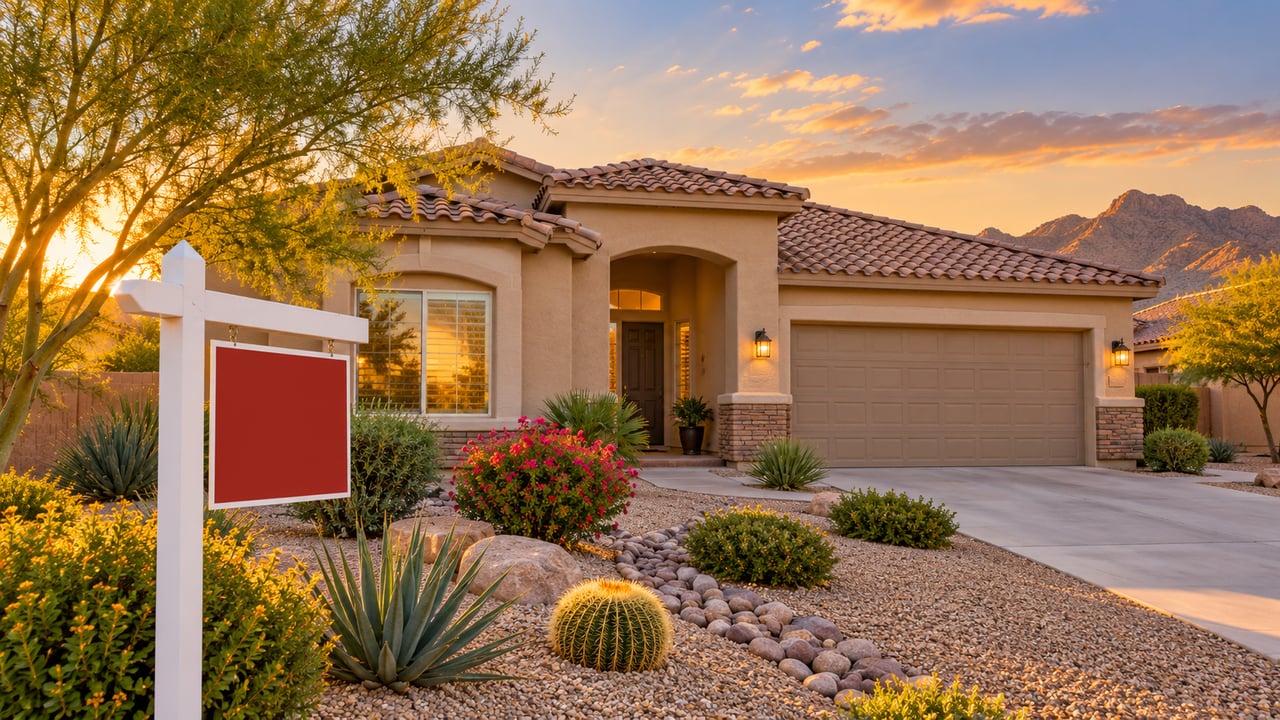
Short answer: Phoenix can be a strong fit if you value abundant sunshine, mild winters, outdoor recreation, a major airport, varied communities, and a wide range of homes. The biggest tradeoffs are extreme summer heat, car-oriented development, seasonal utility costs, rapid growth, desert maintenance, and the fact that housing is not automatically inexpensive.
The right answer depends on the exact home and location. Central Phoenix, Scottsdale, the East Valley, the West Valley, and the northern communities can create very different commutes, costs, and daily routines. Use these pros and cons as a starting point, then compare specific areas and properties.
The video below offers an earlier perspective on Phoenix living. The written guide has been fully updated for 2026.
Phoenix Pros and Cons at a Glance
Potential advantage | Related tradeoff | What to compare |
|---|---|---|
Mild winter weather | Extreme summer heat and warm nights | Your schedule, heat tolerance, HVAC, shade, and seasonal routines |
Desert, mountain, and trail access | Outdoor timing is limited during hot months | Distance to recreation, trail rules, heat safety, and seasonal use |
Wide variety of communities | The metro area is geographically spread out | Commutes, airport access, daily destinations, and regional differences |
Many housing styles and ages | Costs and condition vary substantially | Payment, taxes, insurance, HOA, utilities, and maintenance |
New construction choices | Lot premiums, upgrades, delays, and developing surroundings | Complete price, timeline, HOA, inspections, and future phases |
Backyards, pools, and desert views | Water, electricity, equipment, and landscape upkeep | Orientation, privacy, pool condition, irrigation, and ongoing service |
Major-city dining, sports, and events | Traffic, parking, crowds, and event pricing | How often you will use each area and how you will get there |
Phoenix Sky Harbor access | Airport convenience varies across the Valley | Real drive times, flight paths, traffic, and noise at the property |
Low snow and ice exposure in the Valley | Limited traditional four-season weather | Your preference for climate and willingness to travel for snow |
Sunshine and low humidity much of the year | Sun exposure, dust, air quality, and monsoon conditions | Health needs, home filtration, shade, roof, drainage, and driving safety |
Pro 1: Mild Winters and a Long Outdoor Season
From fall through spring, Phoenix weather supports hiking, biking, golf, patios, community events, and outdoor projects. For people moving from colder climates, avoiding snow shoveling, icy roads, and long stretches of winter weather can be a major lifestyle benefit.
The tradeoff is timing. During the hotter part of the year, many residents shift outdoor exercise and errands to early morning or evening and rely heavily on air-conditioned spaces. The value of Phoenix weather depends on which months and activities matter most to you.
Pro 2: Access to Desert and Mountain Recreation
Greater Phoenix includes mountain preserves, desert trails, parks, golf, lakes within driving distance, and routes to higher-elevation Arizona destinations. The landscape also creates opportunities for mountain, desert, sunset, golf, and city-light views.
Proximity varies. A home described as “near hiking” may still require a drive, and access, parking, trail difficulty, closures, and heat can affect how often you use it. Compare your real routine instead of choosing a home based on a broad regional label.
Pro 3: A Wide Range of Communities
The Phoenix metropolitan area is not one uniform place. Central Phoenix offers established neighborhoods and urban amenities. Scottsdale includes resort, golf, luxury, and desert-oriented areas. Chandler, Gilbert, Mesa, and Tempe provide varied East Valley options. Goodyear, Peoria, Surprise, and other West Valley communities offer their own mix of newer development, established housing, and regional amenities.
This variety makes it possible to compare different home types and lifestyles without leaving the metro area. Start with our East Valley vs. West Valley guide and our comparison of the best places to live in the Phoenix area.

Pro 4: Housing Variety, Including New Construction
Phoenix-area buyers can compare condos, townhomes, historic properties, ranch homes, master-planned communities, golf properties, custom desert homes, luxury estates, and new construction. That range can help buyers match the property to their preferred maintenance level, lot, layout, and location.
New construction may offer current finishes, builder warranties, and modern indoor-outdoor design. Resale homes may provide mature landscaping, established surroundings, larger lots, or locations closer to central destinations. Compare the complete price, property condition, HOA, timeline, and ongoing ownership cost.
Pro 5: Outdoor Living, Pools, and Views
Backyards are a meaningful part of Phoenix living. Depending on the area and property, buyers may find covered patios, pools, outdoor kitchens, desert gardens, larger lots, mountain views, or city lights. These features can materially change how the home is used.
They also add due diligence. Review sun exposure, orientation, shade, privacy, landscaping, irrigation, walls, drainage, pool equipment, and future development near a view corridor. Our guide to Phoenix neighborhoods for pools, yards, and views explains the tradeoffs in more detail.
Pro 6: Major-Metro Amenities and Airport Access
Greater Phoenix supports professional sports, concerts, museums, dining districts, universities, medical facilities, shopping, and a broad employment base. Phoenix Sky Harbor International Airport is centrally positioned relative to many parts of the Valley, although drive time varies widely by community and traffic.
The practical benefit depends on where you live. Map the job sites, airport, healthcare, family, recreation, and everyday destinations that will shape your week before choosing a home.
Con 1: The Summer Heat Is a Serious Constraint
Summer heat affects schedules, outdoor activity, vehicle comfort, pets, landscaping, moving logistics, and energy use. It is not simply a matter of preferring warm weather. The National Weather Service’s Phoenix heat guidance and HeatRisk information explains that heat can pose a health threat even outside the highest alert levels.
When comparing homes, look at HVAC age and service history, insulation, windows, shade, sun exposure, covered parking, pool equipment, and the distance between parking and the entrance. Plan outdoor work and recreation around current weather guidance.

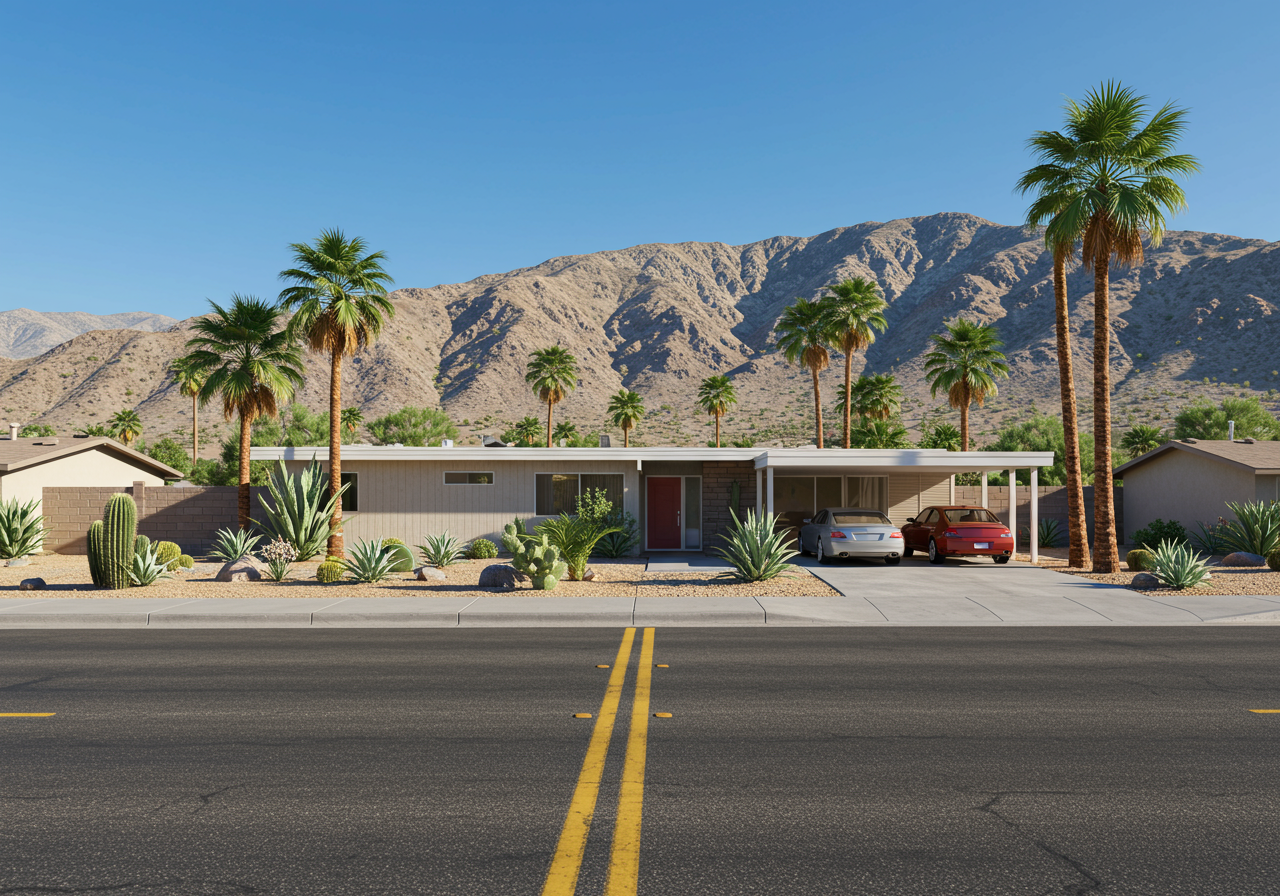
Con 2: The Metro Area Is Car-Oriented and Spread Out
Some neighborhoods offer useful walking, biking, bus, or light-rail access, but many households rely on a vehicle for work, shopping, healthcare, and recreation. A home that looks close to a destination on a map may still produce a long or inconvenient drive.
Test important routes at the times you expect to travel. Include fuel, insurance, registration, maintenance, parking, and the value of your time in the comparison. A lower-priced home farther away may not create the lowest total cost or the best routine.

Con 3: Summer Utilities and Home Systems Matter
Electricity use can rise during hot months, and the actual cost depends on the home, HVAC, rate plan, insulation, windows, pool, solar, thermostat habits, and occupancy. Water, landscaping, and pool costs also vary by property and municipality.
Ask for available utility history, verify the electric and water providers, inspect the major systems, and review any solar agreement. Our 2026 Phoenix cost-of-living guide provides a complete budget checklist and links to official utility and tax sources.
Con 4: Growth Brings Construction, Traffic, and Change
Rapid development can add housing, shops, services, employers, and road improvements. It can also mean construction traffic, changing views, noise, and a neighborhood that feels different several years after purchase.
Review nearby vacant land, zoning, municipal planning information, road projects, and builder phases. Do not assume an open desert parcel, low-traffic street, or current view will remain unchanged.
Con 5: Desert Dust, Monsoon Weather, and Air Quality
Dust, wind, and monsoon storms are part of desert living. Conditions can reduce visibility, affect air quality, move outdoor furniture, and reveal drainage or roof problems. Arizona Department of Transportation guidance emphasizes that drivers should not enter a dust storm and provides its Pull Aside, Stay Alive safety steps.
For a home, inspect the roof, drainage, grading, exterior seals, trees, walls, and outdoor structures. People with allergies or respiratory concerns should review current air-quality information and discuss personal health questions with an appropriate professional.
Con 6: Desert Wildlife and Pest Control
Scorpions, snakes, coyotes, insects, and other desert wildlife may be encountered, particularly near open desert, washes, preserves, and foothills. Frequency varies by property and season.
Inspect the home and lot, ask about pest history and service, seal gaps, maintain landscaping, and follow official guidance for pets and wildlife encounters. A property near natural open space can offer views and recreation while also increasing this aspect of desert living.
Con 7: Housing Is Not Automatically a Bargain
Phoenix may cost less than some high-cost metros, but that does not mean every area or home is inexpensive. Purchase price, current mortgage rates, taxes, insurance, HOA fees, utilities, commute, renovations, and maintenance determine the real comparison.
Use current listings and recent comparable sales, then ask a lender for an updated payment scenario. For a specific property, add an insurance quote, tax information, HOA documents, inspection findings, and available utility history.
Con 8: Traditional Four-Season Weather Is Limited
Within the Valley, seasonal change is more subtle than in many northern or higher-elevation locations. Residents who value autumn color, frequent winter snow, or cool summers may miss those conditions.
Arizona does offer seasonal variety at higher elevations, but reaching it requires travel. Decide whether mild winters and desert scenery outweigh the lack of four distinct seasons in your everyday environment.
How to Decide Whether Phoenix Fits You
A useful relocation decision is based on your routine, not a generic ranking. Before buying:
- Visit in both comfortable weather and a hotter period when possible.
- Drive your expected commute and daily routes at realistic times.
- Compare two or three regions before narrowing to neighborhoods.
- Build a complete monthly budget that includes utilities, insurance, HOA, transportation, pool, landscaping, and maintenance.
- Tour both new construction and resale homes if both are realistic options.
- Review municipal plans, zoning, HOA documents, school information, crime data, and other decision factors through current primary sources.
- Inspect the home’s HVAC, roof, windows, pool, irrigation, drainage, and other property-specific systems.
Our Phoenix relocation checklist turns these steps into a practical moving plan.
Frequently Asked Questions About Living in Phoenix
What are the biggest advantages of living in Phoenix?
Common advantages include mild winters, access to desert and mountain recreation, varied communities, a broad selection of homes, major-city amenities, airport access, and outdoor-living opportunities.
What are the biggest disadvantages?
The most significant tradeoffs are extreme summer heat, car dependence in many areas, seasonal electricity use, rapid development, dust and monsoon conditions, desert maintenance, and housing costs that vary widely.
Can you live in Phoenix without a car?
It is possible in selected locations and for certain routines, especially where light rail, buses, biking, or walkable amenities align with daily destinations. Many households still find a vehicle necessary because the metro area is large and dispersed.
Is Phoenix affordable?
Affordability depends on the specific home, financing, taxes, insurance, HOA, utilities, transportation, and maintenance. Compare total monthly costs rather than relying on a metro-wide label.
How difficult are Phoenix summers?
They require planning. Residents commonly adjust activity times, rely on effective cooling, use shade, and pay close attention to hydration and official heat guidance. The home’s systems and your daily schedule strongly influence the experience.
Which part of Phoenix should I consider?
Start with budget, commute, preferred home and lot, and regular destinations. Then compare Central Phoenix, Scottsdale, East Valley, West Valley, and northern options before choosing individual neighborhoods.
Should I choose new construction or resale?
New construction may offer modern layouts and warranties but can involve lot premiums, upgrades, delays, and developing surroundings. Resale homes may offer established landscaping and completed neighborhoods but require closer attention to system age and condition.
Get Help Comparing Phoenix-Area Communities
Greg Corbett and the Living in Phoenix Arizona Team help buyers and sellers evaluate Phoenix, Scottsdale, and surrounding Valley communities. We can help you compare locations, total costs, commutes, new construction, resale homes, outdoor features, and the tradeoffs that matter to your move.
Greg Corbett | Living in Phoenix Arizona Team at HomeSmart
Arizona Real Estate License SA548517000
Start planning your Phoenix relocation or explore our community and neighborhood guides.