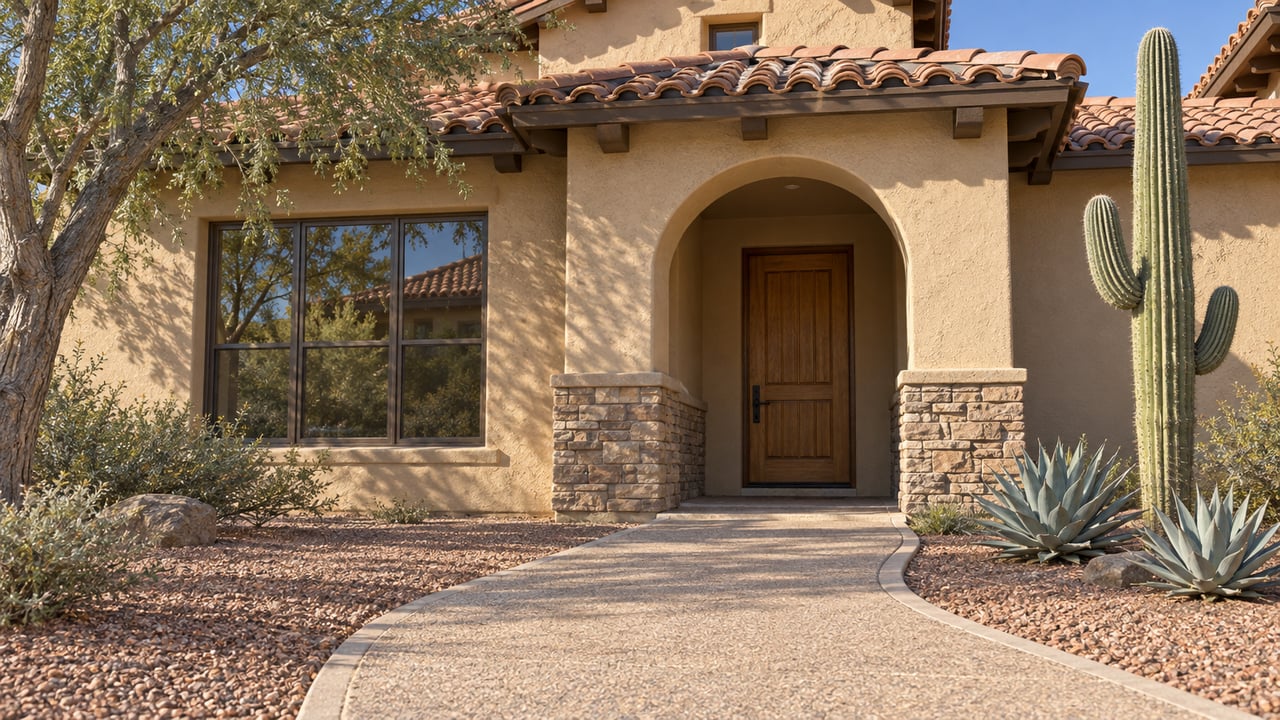
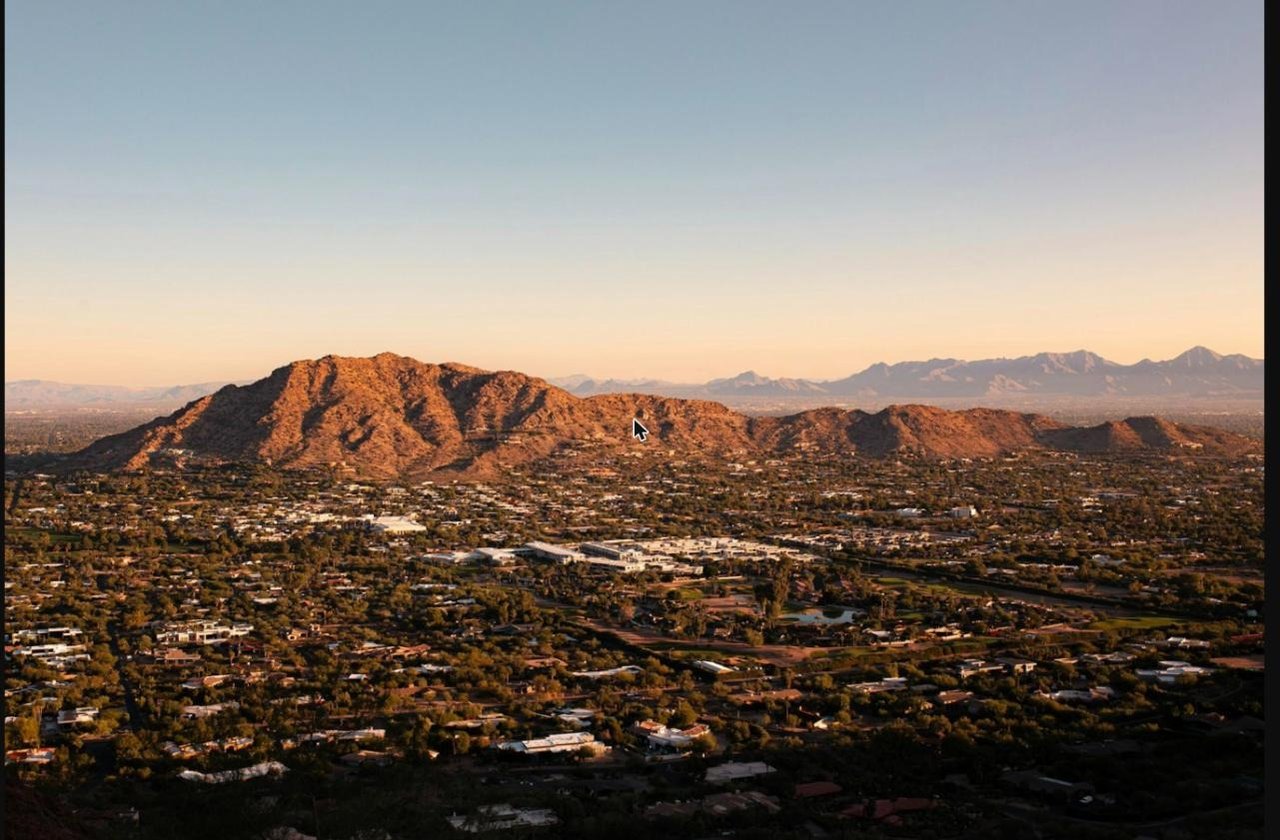
Updated September 2026: Peoria stretches from established West Valley neighborhoods near Loop 101 to newer master-planned communities and desert-edge properties approaching Lake Pleasant. Because the city covers a long north-south area, commute, utilities, housing style, and daily convenience can change substantially from one address to another.
The practical question is not simply whether Peoria is a good place to live. It is which part of Peoria fits your commute, home and lot preferences, recreation priorities, and total ownership budget.
Living in Peoria: the quick answer
Peoria can offer a wide range of housing, from older single-family homes and townhomes to golf communities, newer subdivisions, and large master-planned developments. Southern and central Peoria may provide more direct access to Loop 101 and established services, while northern Peoria may offer newer housing, desert settings, and closer access to Lake Pleasant—usually with longer drives to central Phoenix.
Before making an offer, verify the jurisdiction and service providers for the exact parcel, test normal travel routes, review nearby development, and calculate HOA, utility, landscape, pool, and maintenance costs.
Peoria areas to compare
Area | Housing and setting | What to verify |
|---|---|---|
Old Town and southern Peoria | Established homes, older housing stock, civic and historic areas | Property systems, permits, commute, redevelopment context, and street traffic |
Central Peoria and Loop 101 corridor | Established subdivisions, townhomes, sports and entertainment access | Event traffic, freeway noise, HOA rules, and access to frequent destinations |
Arrowhead-adjacent and north-central Peoria | Subdivisions, golf-area options, shopping and service access | Exact city boundary, school district if relevant, HOA, and commute route |
Vistancia and northern Peoria | Newer construction, master-planned communities, desert and mountain settings | Builder costs, HOA layers, ongoing development, utilities, and drive times |
Lake Pleasant area | Desert-edge communities and recreation-oriented access | Distance to services, seasonal park traffic, wildfire and wash awareness, utility providers |
What to know before moving to Peoria
1. Peoria’s geography shapes everyday life
Peoria extends much farther north than many people expect. A home near Old Town or Loop 101 creates a different daily routine from one near Vistancia or Lake Pleasant. The northern setting may bring newer development and desert access, while southern locations can shorten some drives toward Glendale, Phoenix, and other established West Valley destinations.
Test your actual commute at realistic times. Include airport trips, health care, groceries, recreation, and any school or childcare stops relevant to your household. Map distance is not enough when arterial traffic or freeway access differs by neighborhood.

2. Housing ranges from established to master-planned
Southern Peoria includes older homes that may need more detailed review of roofs, HVAC systems, plumbing, sewer lines, electrical panels, windows, pools, additions, and permits. A renovated interior does not necessarily mean the major systems have been replaced.
Newer communities in northern Peoria can offer current layouts, community amenities, and builder warranties. For new construction, compare the advertised base price with the realistic finished cost, including lot premium, structural options, design selections, appliances, window coverings, landscaping, and post-closing work.
Peoria also includes golf-community homes, townhomes, gated neighborhoods, and properties with different lot sizes. Review HOA documents, amenity access, design rules, parking, rental restrictions, reserves, insurance, and any separate club membership.
3. Total ownership cost is property-specific
A citywide affordability claim becomes outdated quickly and can hide important differences. Build a budget for the actual home that includes mortgage, taxes, insurance, HOA dues, electricity, water, wastewater, trash, internet, landscape care, pool service, pest control, and expected repairs.
Service providers may vary across the city’s large footprint. Use the City of Peoria resources and verify water, wastewater or septic, electricity, gas, trash, and internet directly for the exact address. Ask for available utility history, particularly summer electricity use.

4. Growth and nearby land matter
Northern Peoria contains active and planned development, and undeveloped land may not remain open. A model-home view, current edge-of-community location, or quiet road can change as parcels build out.
Review the city’s planning information and the official Peoria General Plan map service for land-use context. Then identify the parcel and current status of any nearby proposal. A general plan designation or application is not a guarantee of timing or final construction.
5. Recreation options differ by part of the city
Peoria Sports Complex, Rio Vista Recreation Center and Park, New River Trail, neighborhood parks, and desert trail access create different recreation patterns across the city. Proximity should be measured from the house, especially when Loop 101 or major arterials separate the property from the destination.
Lake Pleasant Regional Park sits beyond much of Peoria’s developed area and offers boating, fishing, camping, hiking, picnicking, and wildlife viewing. The park’s water levels, hours, access, and capacity can change, so check the official Lake Pleasant Regional Park page before relying on a particular activity or access point.

6. Schools and boundaries should be researched directly
School district and attendance boundaries do not always follow city limits. A Peoria mailing address may be served by a district other than the one a buyer assumes. If schools are relevant to your household, confirm the assigned district and school directly with the district, then review official programs, enrollment, transportation, and other factors important to the student.
A third-party rating cannot describe every program or individual experience, and boundaries can change. Verify again during the home-buying process rather than relying on a listing description.
Peoria home-buying checklist
- Map your routine: Test work, airport, health-care, grocery, recreation, and other frequent trips.
- Verify services: Confirm municipality, water, wastewater or septic, electricity, gas, trash, internet, and emergency jurisdiction.
- Review the property: Inspect roof, HVAC, windows, plumbing, sewer, electrical, pool, drainage, and additions.
- Understand the HOA: Read budgets, reserves, insurance, rules, amenity access, and pending assessments.
- Check surrounding land: Review public planning sources and current case status for nearby parcels.
- Budget beyond the mortgage: Include utilities, landscape and pool care, insurance, dues, memberships, and expected repairs.

Frequently asked questions about living in Peoria
Is Peoria considered part of Phoenix?
Peoria is a separate city within the Phoenix metropolitan area. Its southern neighborhoods connect closely with established West Valley communities, while northern Peoria reaches toward Lake Pleasant and open desert.
What types of homes are available in Peoria?
Buyers can find established single-family homes, townhomes, golf-community properties, gated neighborhoods, newer subdivisions, and large master-planned communities. The mix changes by location.
Which part of Peoria has the shortest commute?
That depends on the destination. Southern and Loop 101-area locations may shorten many trips toward Phoenix and Glendale, while northern Peoria may work well for routines centered farther north or west. Test the exact route.
Is Lake Pleasant in Peoria?
Lake Pleasant Regional Park is north of much of Peoria and closely associated with the northern Peoria lifestyle. Access time varies considerably by neighborhood, and the park is managed by Maricopa County Parks and Recreation.
Does Peoria have new construction?
Yes, especially in northern growth areas. Compare builder contracts, base price versus finished cost, lot and phase location, HOA structure, construction activity, and the status of nearby planned development.
Who provides utilities in Peoria?
Providers can vary by location, particularly across the city’s broad northern area. Verify each service for the property rather than assuming the city name determines the provider.
How should I compare Peoria neighborhoods?
Use the same criteria for every property: commute, home and lot, monthly cost, HOA structure, nearby services, recreation access, property condition, and future development context.
Plan your Peoria relocation
If Peoria is on your shortlist, I can help you compare established neighborhoods, master-planned communities, golf options, and northern desert settings based on the way you plan to live. Explore the Peoria neighborhood tour, the Phoenix-area city guide, the moving-to-Phoenix checklist, or the relocation page.
Sources reviewed: City of Peoria resources, Peoria General Plan GIS, and Maricopa County Parks and Recreation information for Lake Pleasant Regional Park. Plans, projects, service areas, rules, access, and fees can change; verify current details with the appropriate agency, provider, HOA, or property professional.