Updated for 2026 - refreshed with current population, housing, and homelessness data. A few things on this list look different than they did a few years ago.
Arizona is one of the nation's greatest gems. The rolling deserts and starry night skies that have beckoned cowboys and dreamers have captivated many a wild heart. They've also beckoned about 760,000 people just in the last decade. With the state still growing, why are some people moving out of Arizona? Maybe it's the heat, maybe it's the dust storms, or maybe it's a handful of very real growing pains. Here's an honest, current look at the top reasons - and why a few of them aren't quite as dire as they used to be.
Thinking About Moving? We Can Help!
Whether you're weighing Arizona against somewhere else or just want a second opinion on the current market, having a local expert in your corner makes the process easier - from touring homes to navigating offers, financing, and closing. Contact us here or call/text (602) 734-7263 to get started.
Top 5 Reasons People Are Moving Out of Arizona
1. Growth Is Slowing (It's Not the Overpopulation Story It Was)
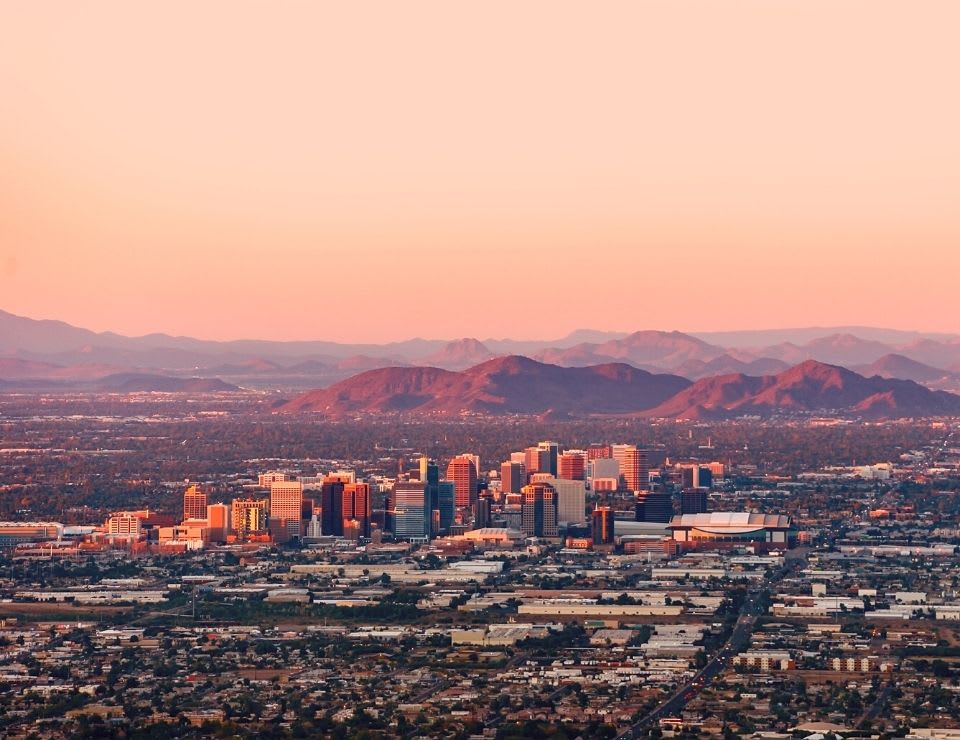
Arizona is still growing - it added about 67,000 new residents in the year ending mid-2025, roughly 0.9% growth, keeping it among the top 10 states in the country for growth. But that's a noticeably slower pace than the earlier-2020s boom, and California, long blamed for "flooding" Arizona with transplants, is now seeing its own population stabilize rather than keep shedding residents at the old rate.
Arizona is still growing - it added about 67,000 new residents in the year ending mid-2025, roughly 0.9% growth, keeping it among the top 10 states in the country for growth. But that's a noticeably slower pace than the earlier-2020s boom, and California, long blamed for "flooding" Arizona with transplants, is now seeing its own population stabilize rather than keep shedding residents at the old rate.
The crowding concerns are real in specific pockets: competitive trailhead parking, hard-to-get wilderness permits, a tighter job market. But the "everyone in America is moving here" narrative has cooled quite a bit from where it was a few years ago.
2. Home Prices Have Actually Leveled Off
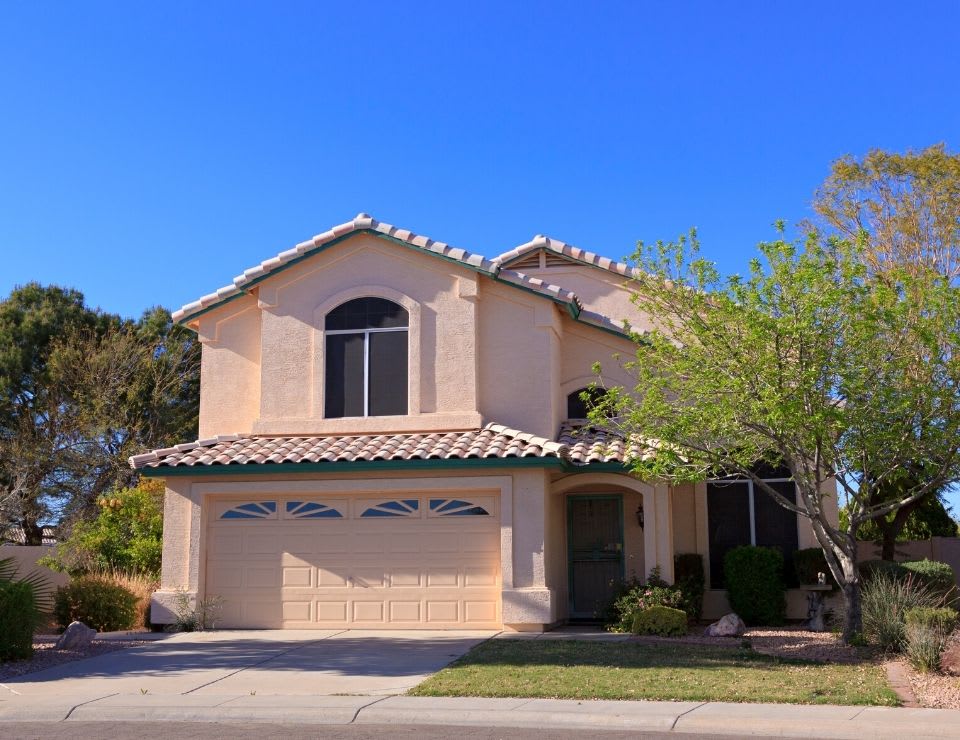
This is the biggest change since this list was first written. As of 2026, Phoenix's median home value is running around $410,000, down about 2% over the past year, and average rent has dropped a similar amount. The runaway price growth of 2020-2022 has leveled off, and in some categories even ticked down slightly.
This is the biggest change since this list was first written. As of 2026, Phoenix's median home value is running around $410,000, down about 2% over the past year, and average rent has dropped a similar amount. The runaway price growth of 2020-2022 has leveled off, and in some categories even ticked down slightly.
Phoenix isn't the "three-car garage mansion for cheap" fantasy of decades past, but it's no longer on the runaway trajectory some feared either. For buyers, that's actually good news: more room to negotiate, less of the frantic bidding-war pressure of a few years ago.
Learn More: Unique Laws to Know About in Arizona
3. Homelessness: A Mixed, More Current Picture
Arizona, like most states, has dealt with rising homelessness in recent years. The 2025 Maricopa County point-in-time count found 9,734 people experiencing homelessness, the largest number ever recorded in the county. The 2026 count came in essentially flat at 9,726, but with a mixed trend underneath: unsheltered homelessness actually dropped 12% year over year, while the number of families experiencing homelessness rose 13%.
Arizona, like most states, has dealt with rising homelessness in recent years. The 2025 Maricopa County point-in-time count found 9,734 people experiencing homelessness, the largest number ever recorded in the county. The 2026 count came in essentially flat at 9,726, but with a mixed trend underneath: unsheltered homelessness actually dropped 12% year over year, while the number of families experiencing homelessness rose 13%.
It's a real issue worth being aware of, and also one that's more nuanced than a single alarming headline suggests. Some parts of the picture are genuinely improving; others aren't yet.
Learn More: Top Things to Know About Moving to Phoenix, AZ
4. Unbearable Heat
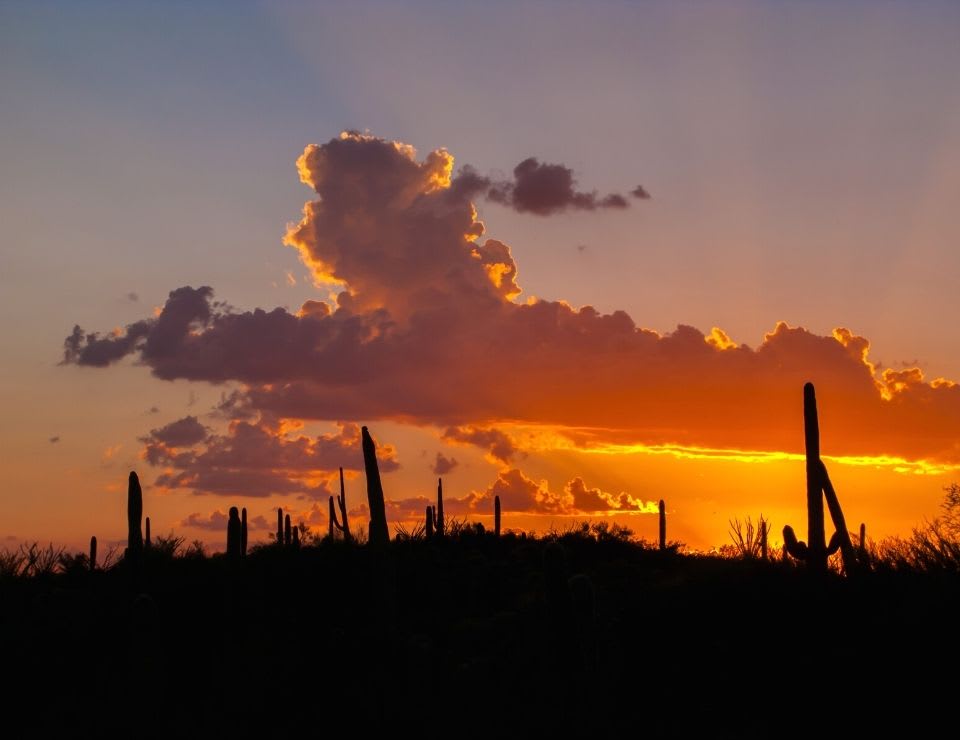
Arizona in the summer might as well be the surface of the sun. One of the biggest reasons people leave the Grand Canyon State is because they just can't take the heat - and this one hasn't changed. The desert is hot, not the humid-and-uncomfortable kind of hot, but the triple-digit, 100+ days a year kind of hot. People often move to Arizona so focused on escaping snow and ice that they underestimate how far in the other direction summer here really goes.
Arizona in the summer might as well be the surface of the sun. One of the biggest reasons people leave the Grand Canyon State is because they just can't take the heat - and this one hasn't changed. The desert is hot, not the humid-and-uncomfortable kind of hot, but the triple-digit, 100+ days a year kind of hot. People often move to Arizona so focused on escaping snow and ice that they underestimate how far in the other direction summer here really goes.
5. Pollution (Still a Real Concern)
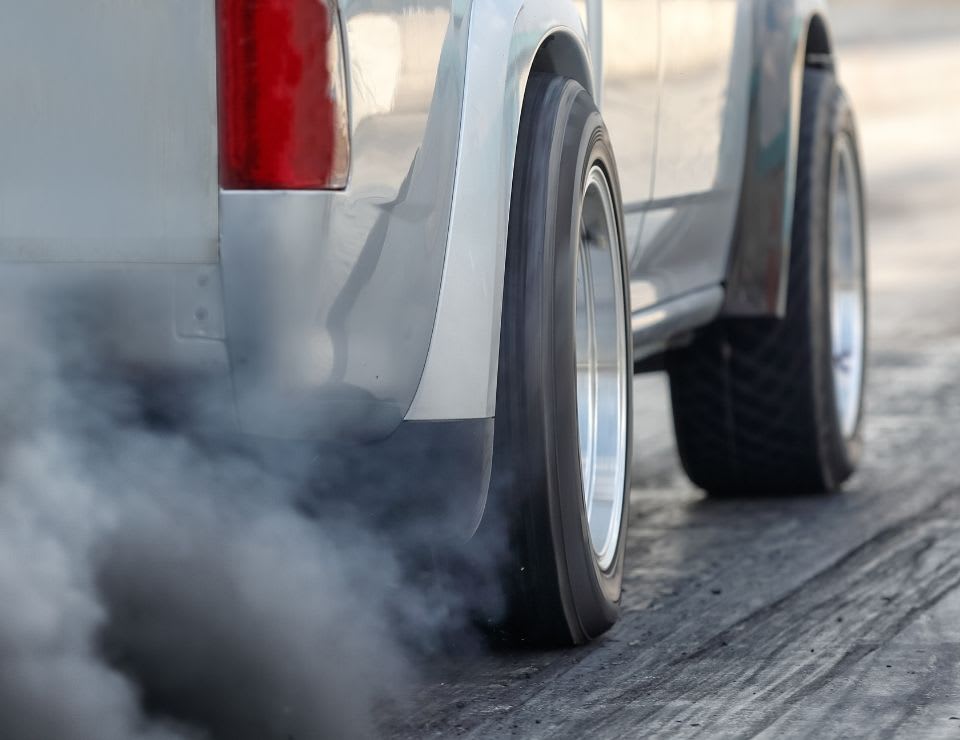
Unlike some of the other points on this list, this one hasn't improved. Phoenix ranked 4th worst in the nation for ozone pollution in both the American Lung Association's 2025 and 2026 State of the Air reports, with over 50 unhealthy air days in the most recent count. The geography that makes the Valley beautiful, mountains and valleys ringing the basin, also traps ozone and particulate pollution close to the ground. It's a legitimate tradeoff worth knowing about upfront rather than glossing over.
Unlike some of the other points on this list, this one hasn't improved. Phoenix ranked 4th worst in the nation for ozone pollution in both the American Lung Association's 2025 and 2026 State of the Air reports, with over 50 unhealthy air days in the most recent count. The geography that makes the Valley beautiful, mountains and valleys ringing the basin, also traps ozone and particulate pollution close to the ground. It's a legitimate tradeoff worth knowing about upfront rather than glossing over.
So, Is It Still Worth Moving to Arizona?
There isn't a place on earth immune to growing pains, and Arizona is no exception. These factors aren't presented to paint Arizona as paradise lost - if anything, the 2026 data shows a more balanced picture than a few years ago, with home prices cooling and population growth slowing even as heat and air quality remain real, unavoidable tradeoffs.
At the end of the day, everyone has to decide if the pros outweigh the cons wherever they choose to live. If you're weighing a move to Arizona, or wondering whether it still makes sense for your specific situation, reach out anytime - we're happy to talk through the current market and help you figure out if, and where, Arizona fits.
Greg Corbett is the founder and lead content creator behind Living in Phoenix Arizona. He's lived in the Phoenix Metro area since 1993 and now calls the Arcadia neighborhood home with his wife and three kids.